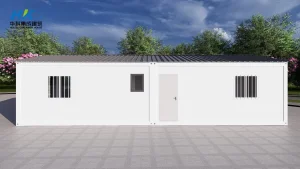
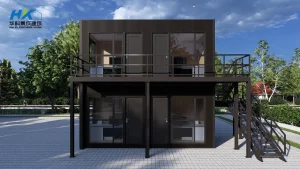
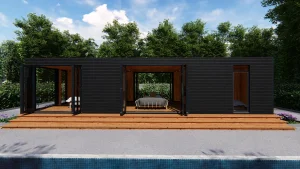
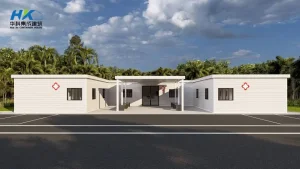
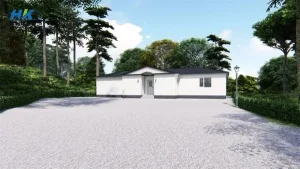
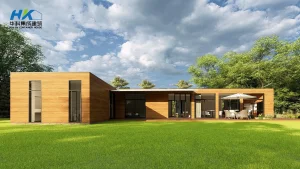
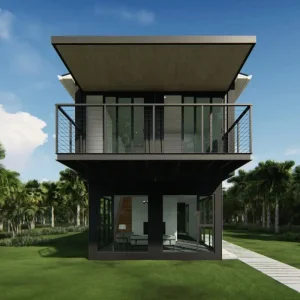
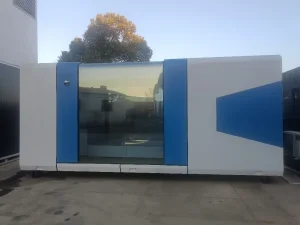
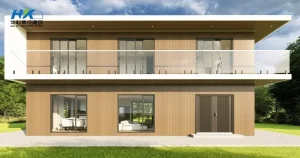
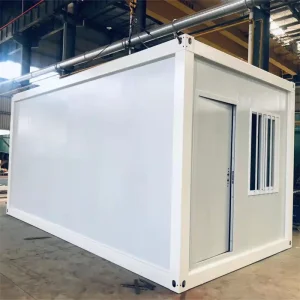
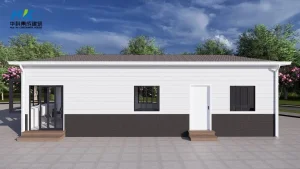
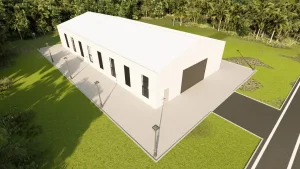
Explore our primary manufacturing catalog engineered for commercial site offices, remote work camps, emergency medical shelters, and modular sanitary blocks.
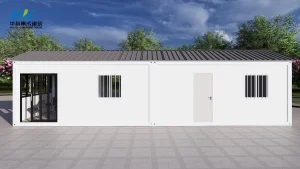
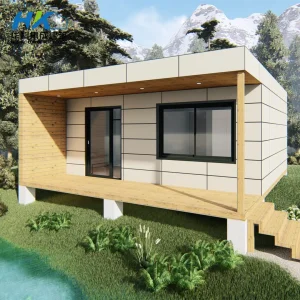
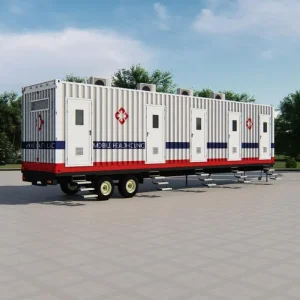
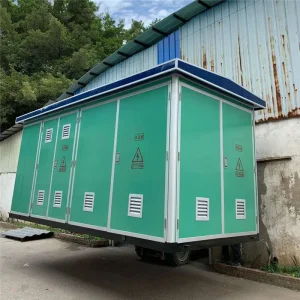
Analyzing the global structural shift toward modular, eco-efficient, and rapidly deployable outdoor toilet infrastructure across municipal, industrial, and commercial sectors.
The global market for wholesale outdoor toilets, mobile restroom trailers, and containerized sanitary blocks is undergoing a profound structural evolution. Historically viewed as basic temporary conveniences for construction sites, modern outdoor sanitation facilities have evolved into highly engineered, environmentally sustainable, and architecturally sophisticated infrastructure assets. Driven by stringent environmental regulations, aggressive ESG (Environmental, Social, and Governance) corporate mandates, and escalating global investments in infrastructure, the demand for high-capacity, heavy-duty outdoor toilets is reaching unprecedented levels.
In municipal and urban planning, cities worldwide face growing challenges regarding public hygiene and accessibility. Urban density, combined with expanding public parks, outdoor entertainment venues, and transit hubs, requires decentralized sanitation solutions that bypass expensive civil sewer extensions. Modular outdoor toilet blocks—built within modified ISO shipping container frames or light gauge steel structures—allow municipalities to deploy vandal-resistant, fully plumbed rest facilities at a fraction of the cost and timeframe associated with permanent brick-and-mortar construction.
In the industrial and resource sectors—including mining operations, offshore energy sites, civil infrastructure corridors, and agricultural complexes—outdoor toilets are critical operational requirements. Regulatory bodies such as OSHA (Occupational Safety and Health Administration) in North America and EU workplace directives strictly mandate minimum sanitary facility ratios per worker count. Meeting these compliance metrics in remote locations requires ruggedized, weather-isolated outdoor toilets capable of enduring extreme thermal fluctuations (-40°C arctic conditions to +55°C desert environments) while offering self-contained water supply and waste treatment technology.
Integration of micro-flush vacuum technology, waterless urinal systems, and closed-loop greywater recycling lowers per-use water demand from 6.0L to under 0.5L, satisfying strict environmental project rating systems.
Embedded telemetry sensors measure blackwater tank levels, municipal water inlet pressure, real-time occupancy rates, indoor air quality metrics, and automated UV disinfection routines remotely.
Engineered with hot-dip galvanized steel chassis, marine-grade C3/C4 anti-corrosion exterior coatings, and fire-rated sandwich panel insulation to guarantee long-term durability in severe environments.
Detailed technical evaluation of hydraulic systems, waste management loops, thermal insulation envelopes, and power generation options available in modern commercial outdoor toilets.
Procuring commercial outdoor toilets requires a deep understanding of fluid dynamics, mechanical plumbing standards, structural metallurgy, and off-grid electrical systems. Leading B2B suppliers no longer provide one-size-fits-all products; instead, units are custom-engineered based on site utility access, daily human traffic volume, local climate loads, and disposal logistics.
The core functionality of any commercial outdoor toilet lies in its waste handling mechanism. Suppliers categorize systems into four primary mechanical tiers:
To prevent interior condensation, freeze-up in winter, or extreme heat build-up in summer, commercial outdoor toilets utilize multi-layer composite insulation wall panels:
| Insulation Core Type | Density (kg/m³) | Thermal Conductivity (W/m·K) | Fire Resistance Rating | Best Application Environment |
|---|---|---|---|---|
| Polyurethane (PU / PIR) | 40 - 42 kg/m³ | 0.018 - 0.022 | B1 / Class 1 (Flame Retardant) | Extreme Cold (-30°C) & High Energy Efficiency Requirements |
| Rockwool / Mineral Wool | 80 - 120 kg/m³ | 0.038 - 0.044 | Class A1 (Non-Combustible) | High Fire-Risk Sites, Mining Camps, Refineries |
| Expanded Polystyrene (EPS) | 12 - 16 kg/m³ | 0.033 - 0.038 | B2 (Standard Grade) | Cost-Sensitive Temporary Construction Camps |
| Spray Polyurethane Foam (SPF) | 32 - 38 kg/m³ | 0.020 - 0.024 | B2 / Fire Retardant Coating | ISO Shipping Container Conversions (Seamless Seal) |
In addition to wall panel thermal performance, flooring integrity is paramount for hygiene and longevity. Standard commercial specifications require marine-grade hardwood plywood subfloors overlayed with seamless anti-slip aluminum chequered floor plates or 2mm-3mm thick hot-welded commercial PVC vinyl sheets with cove bases for effortless spray-down cleaning.
Comprehensive pricing benchmarks, volumetric shipping logistics, and manufacturing tier breakdowns for B2B procurement managers and project estimators.
Evaluating a wholesale outdoor toilet pricelist requires analyzing total landed cost rather than initial factory-gate (EXW) unit cost alone. Pricing varies widely depending on structural engineering, fixture quality, climate isolation packs, and shipping density. Below is an industry benchmark pricelist matrix across standard modular sanitation categories based on high-volume factory orders (MOQ ≥ 5-10 units):
| Sanitation System Category | Structural Frame / Shell | Capacity / Stalls | Est. Wholesale Price (USD / Unit) | Primary Price Drivers |
|---|---|---|---|---|
| Flat-Pack Modular Toilet Cabin | Galvanized Steel Frame + EPS Panels | 1 - 2 Stalls (Single/Double) | $850 – $1,800 | Knock-down packing efficiency, basic PVC fittings, standard ceramic toilets. |
| Multi-Stall Worksite Sanitation Block | 20ft Flat Pack Frame System | 4 - 6 Stalls + Urinals | $3,500 – $7,200 | PIR insulation, partition walls, commercial plumbing manifolds, SS304 sinks. |
| Heavy-Duty ISO Container Toilet Unit | Modified 20ft/40ft Corten Steel Container | 4 - 8 Stalls + Shower Combos | $8,500 – $18,500 | Corten steel modifications, heavy-duty floor plates, integrated holding tanks. |
| Luxury Towable Mobile Restroom Trailer | Dual-Axle DOT/CE Chassis + Fiberglass/FRP Shell | 2 - 6 Luxury Suites | $14,000 – $32,000 | Road-certified trailer chassis, AC climate control, stereo, quartz counters, vacuum flush. |
| Off-Grid Smart Solar Sanitation Cabin | Light Gauge Steel (LGS) / Container Frame | Self-Contained Eco Unit | $6,000 – $14,500 | BIPV solar roof, lithium battery storage, greywater filtration, IoT telemetry. |
Flat-pack modular toilets are designed specifically for high-density ocean freight. Up to 6 complete 20ft flat-pack toilet cabins or up to 16 single-stall flat-pack units can be packed into a single 40ft High Cube (40HQ) shipping container. This reduces ocean freight costs per stall by up to 75% compared to fully pre-assembled container units.
Replacing residential ceramic toilets with seamless 304-grade stainless steel fixtures (shatterproof, anti-vandalism, concealed plumbing traps) adds approximately $250 - $450 per stall to the manufacturing cost, but reduces long-term site maintenance expenses in public parks and mining camps by over 80%.
Examining customized modular sanitation configurations engineered for specific industrial, commercial, and emergency operational environments.
Challenges: Heavy worker usage, corrosive atmospheric dust, lack of local utility grids, extreme ambient temperatures.
Engineered Solution: 20ft Heavy-Duty Modified ISO Corten Container Sanitation Blocks outfitted with 80mm PIR rockwool insulated walls, heavy stainless steel toilets, integrated 2,500L blackwater holding tanks with internal heating elements to prevent freezing, and heavy-duty mechanical exhaust vents.
Challenges: Strict zero-environmental-impact regulations, aesthetic integration requirements, high guest expectation for luxury.
Engineered Solution: Custom LGS Light Steel Frame Restroom Cabins adorned with WPC (Wood-Plastic Composite) exterior cladding, floor-to-ceiling frosted privacy glass, silent vacuum flush toilets, integrated LED warm mood lighting, and local greywater bio-filtration beds.
Challenges: Immediate rapid deployment needs, collapsed infrastructure, high risk of waterborne disease transmission.
Engineered Solution: Flat-pack quick-assembly sanitation kits deployed alongside prefabricated medical clinics. Can be erected by non-skilled labor in 30 minutes per cabin, utilizing gravity-fed water bags and chemical disinfectant dosing tanks.
Challenges: Public vandalism resistance, ADA accessibility compliance, automated maintenance cycles.
Engineered Solution: Fully automated self-cleaning urban toilet pods featuring automated high-pressure floor washing, UV light sanitization between uses, touchless sensor fixtures, automatic emergency door release systems, and wheel-chair accessible wide doors.
Crucial technical criteria, certifications, and manufacturing audit benchmarks for evaluating modular sanitation OEM/ODM partners in China.
Selecting a trustworthy modular structure and outdoor toilet manufacturer requires thorough vetting beyond sales quotes. Procuring from an unverified supplier carries risks of structural frame rust, roof leaks, non-compliant electrical wiring, and premature failure of plumbing components under field pressure. Procurement directors should utilize the following E-E-A-T verified audit framework:
Verify that structural steel channels and corner posts use Q235B or Q355B structural steel. Frame galvanization thickness must be specified at minimum Z275 (275g/m² zinc coating) or hot-dip galvanized to protect against rust in humid or coastal environments.
Require the manufacturer to perform hydrostatic pressure testing on all internal water lines (minimum 0.6 MPa for 24 hours) and flood testing on all recessed shower and toilet floor pans prior to shipping packaging.
Ensure all factory-installed electrical components (wiring conduits, distribution boxes, LED lighting, exhaust fans, RCD breakers) comply with the destination market's standards—such as CE (Europe), UL/NEC (USA), or SAA (Australia).
Exploring emerging innovations transforming the outdoor toilet industry over the next decade.
The outdoor sanitation industry is rapidly converging with clean technology, circular economy frameworks, and smart city data architectures. Key innovations shaping future procurement specifications include:
Advanced off-grid outdoor toilet blocks are integrating nano-filtration and electro-chemical reactors that extract concentrated nitrogen and phosphorus from urine, producing liquid fertilizer on-site while purifying water for continuous flushing loops.
Machine learning algorithms analyzing real-time sensor data from water pressure meters, odor scrubbers, and foot-traffic counters. Systems automatically notify regional service fleets for servicing exactly when needed, optimizing logistics routes.
Transitioning from standard virgin steel frames to low-carbon recycled steel framing, paired with bio-based hempcrete or recycled PET insulation panels, substantially lowering the embodied carbon footprint of temporary site buildings.
Expert answers to standard technical, commercial, shipping, and customization inquiries raised by B2B buyers.
Explore additional light gauge steel houses, modified container villas, labor camp housing, and smart capsule solutions.