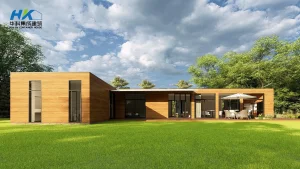
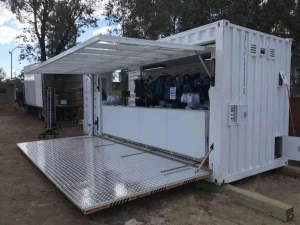
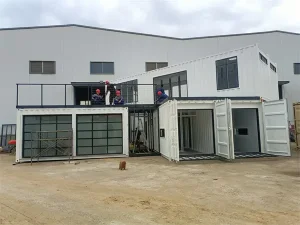
Explore direct-from-factory prefabricated solutions designed for rapid commercial deployment, resort expansion, and residential accessory dwelling units (ADUs).
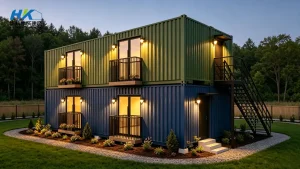
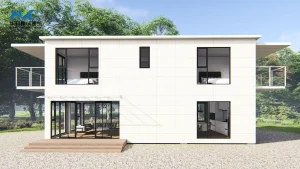
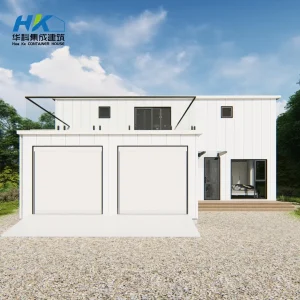
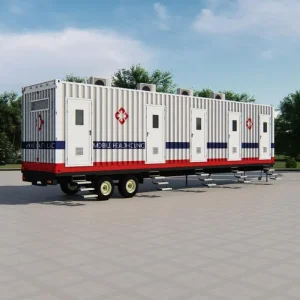
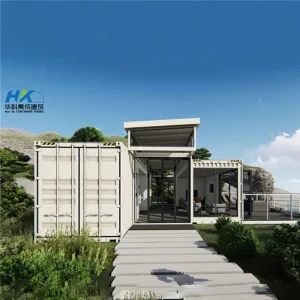
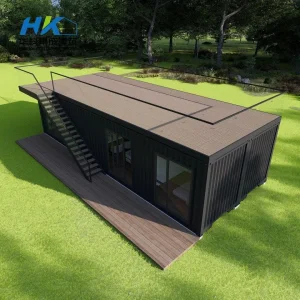
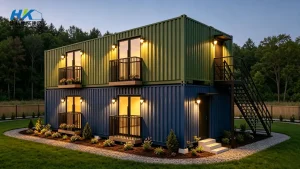
Quantitative indicators defining why global procurement directors choose precision-engineered Chinese park model homes and containerized structures.
The global demand for High-Quality Small Park Model Homes has undergone a paradigm shift driven by escalating traditional construction costs, severe labor shortages in North America, Europe, and Australia, and the rapid expansion of eco-tourism, Glamping, and urban Accessory Dwelling Units (ADUs). Modern park model homes—typically designed under 400 square feet (37 m²) to meet specific municipal zoning and RV park classification rules—are no longer considered temporary shelters. Today, they represent advanced off-site manufactured real estate assets engineered with high thermal performance, structural resilience, and architectural refinement.
From an intent-mining perspective, enterprise buyers, commercial resort developers, and B2B importers searching for "Small Park Model Homes Factories & Pricelist" require clear, actionable data. Their evaluation frameworks center around four core parameters: structural code compliance (ANSI A119.5 vs. HUD Code), unit production cost vs. total landed cost, thermal/climatic customization, and factory supply chain scalability. This white paper provides an exhaustive analysis of these dimensions, drawing upon empirical data from leading OEM/ODM modular fabrication facilities in China.
Unlike conventional timber-framed mobile homes, next-generation small park models leverage heavy-duty structural steel chassis, modified ISO Corten steel shipping container structures, or Light-Gauge Steel (LGS) framing. This industrial approach resolves long-standing issues of structural degradation, water intrusion, and poor wind load resistance during extreme climatic events.
Constructed using Q355B galvanized steel frames and Corten-A corrugated steel panels capable of enduring seismic acceleration up to 0.4g and wind velocity up to 210 km/h (Category 5 hurricane threshold).
Closed-cell Polyurethane (PU) spray insulation combined with rock wool matrix walls achieves thermal envelope ratings from R-21 to R-38, catering to sub-zero Nordic winters and desert environments.
Off-site factory assembly reduces on-site construction timelines by 70–80%, allowing commercial operators to achieve occupancy revenue months ahead of traditional builds.
Empirical B2B wholesale pricing breakdowns for park models, container houses, expandable cabins, and luxury modular villas sourced directly from Tier-1 Chinese manufacturers.
| Modular Category | Typical Footprint (Sq. Ft / m²) | Structural Core Spec | Factory Direct FOB Price Range (USD) | Key Target Application |
|---|---|---|---|---|
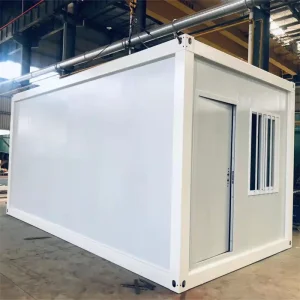
| Standard 20ft Flat Pack Model | 160 sq. ft / 15 m² | Galvanized Steel Frame + 75mm EPS/Rockwool | $2,200 – $4,500 / unit | Workforce Camps, Site Offices, Temporary Relief |
| 20ft Expandable Park Cabin | 370 sq. ft / 34 m² | Hinged Folding Frame + PU Sandwich Panels | $7,500 – $12,800 / unit | ADU Backyard Flats, Rapid Emergency Housing |
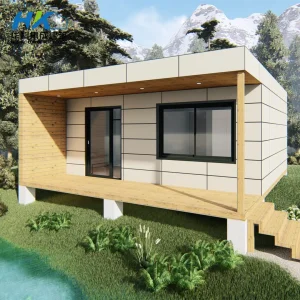
| Single-Story Modified Shipping Home | 320 sq. ft / 30 m² | Cortend Steel ISO Container + Spray Foam | $14,000 – $22,000 / unit | Glamping Resorts, Boutique Eco-Lodging |
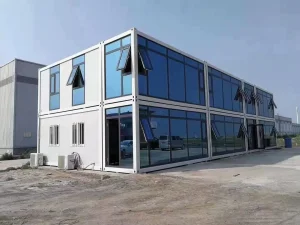
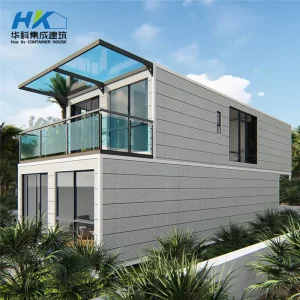
| Luxury Two-Story Container Villa | 640 – 1,280 sq. ft / 60–120 m² | Multi-Module Interlocking Steel Matrix | $28,000 – $55,000 / complete unit | Permanent Residential, Commercial Boutique Hotels |
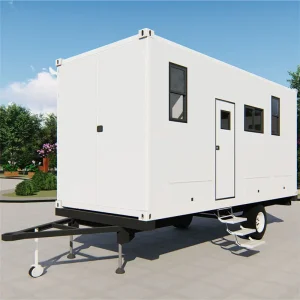
| Heavy-Duty Mobile Caravan / Trailer Model | 280 – 400 sq. ft / 26–37 m² | Triple-Axle Chassis + Fiberglass / FRP Cladding | $16,500 – $29,000 / unit | RV Parks, Mobile Hospitality, Off-Grid Living |
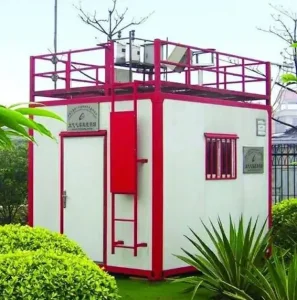
| Fiberglass Monitoring / Medical Cabin | 120 – 240 sq. ft / 11–22 m² | Seamless FRP Shell + Medical Grade Interior | $8,000 – $15,500 / unit | Remote Clinics, Security Stations, Tech Shelters |
*Note: Prices reflect baseline OEM FOB rates at Shangrao/Ningbo/Shanghai ports. Final pricing depends on MEP engineering standards (UL/CE/SAA), interior fit-out tier, and custom architectural finishes.
A critical barrier for international buyers sourcing small park model homes from China is ensuring seamless compliance with destination building codes. Strategic OEM manufacturers bridge this gap through rigorous engineering documentation and international certifications.
Depending on the deployment site, park model homes fall under distinct legal designations:
High-end OEM factories pre-install 90% of all MEP infrastructure inside the factory environment. Wall cavities are pre-wired with flame-retardant conduit, while PEX water supply lines and ABS drainage networks are pressure-tested before interior cladding installation. This eliminates expensive field labor during site deployment.
Dual-voltage capability (110V/220V), breakers with GFCI/AFCI protection, and pre-certified distribution panels matching US NEMA or European IEC standards.
Elimination of thermal bridging via exterior continuous board insulation (XPS/PIR) paired with argon-filled low-E glass aluminum framed windows.
Integrated greywater separation, tankless on-demand electric/gas water heaters, and quick-connect external utility hookups.
The concentration of modular building manufacturing in Jiangxi and coastal industrial clusters in China offers global developers unmatched economic and operational advantages. Understanding these dynamics enables B2B buyers to optimize procurement budgets and mitigate international logistics risks.
China produces over 50% of the world's structural steel. Direct access to raw Corten steel mills, specialized aluminum extrusion plants, and high-volume sandwich panel lines allows factories like Jiangxi HK Prefab Building Co., Ltd. to source raw inputs at 30–40% lower costs than Western fabricators. Furthermore, automated robotic welding and CNC roll-forming lines ensure dimensional tolerances within ±1.0 mm across massive production runs.
One of the largest cost drivers in international modular procurement is ocean freight. Leading OEM exporters utilize specialized packaging engineering:
Versatile structural engineering allows small park models and containerized modules to serve diverse global commercial sectors.
High-margin hospitality operators deploy luxury modified container homes and mini-villas to offer guests premium, climate-controlled wilderness lodging with floor-to-ceiling panoramic glass walls.
Property owners utilize small park model homes as backyard granny flats or rental ADUs to combat urban density challenges and generate steady passive rental yield.
Mining, oil & gas, and disaster management organizations leverage fast-assembly flat packs and modular medical clinics for operational readiness in harsh, isolated locations.
The future of small park model homes is intrinsically tied to technological integration. Modern buyers seek self-sustaining units capable of operating independently of municipal grid infrastructure.
Advanced park models now integrate Building-Integrated Photovoltaics (BIPV) directly into roofing systems. Paired with 30 kWh lithium iron phosphate (LiFePO4) battery banks and smart solar inverters, these units generate up to 48 kWh per day in high-irradiance zones, providing complete energy autonomy for off-grid resorts and rural homesteads.
Automated climate control, remote keyless lock systems, automated greywater recycling sensors, and AI-driven energy management platforms are being pre-wired at the factory level. This enables commercial resort operators to monitor energy consumption and guest access across hundreds of park model units from a centralized digital dashboard.
Expert responses to critical engineering, logistics, and legal questions regarding direct Chinese factory sourcing.
Explore additional specialized prefabricated units, expandable cottages, labor camp flat packs, and commercial mobile structures.