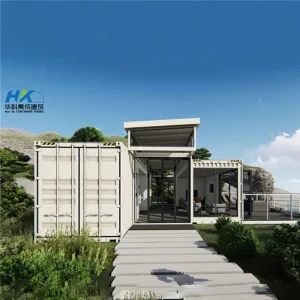
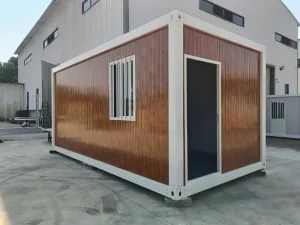
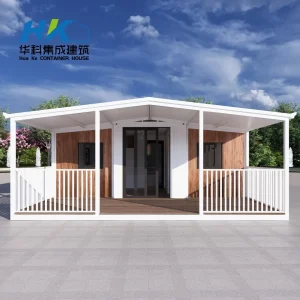
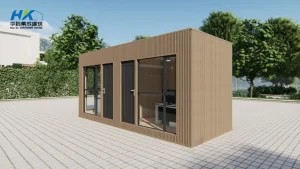
Direct factory production models available for wholesale procurement and custom modifications.
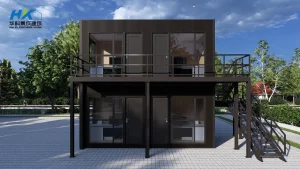
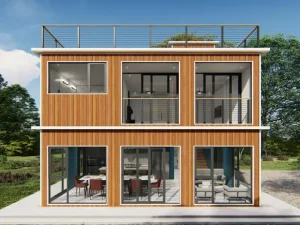
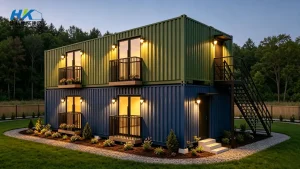
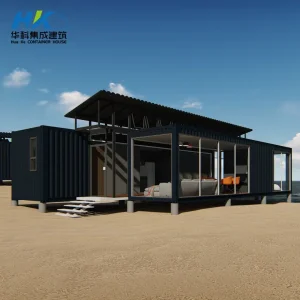
Analyzing the shift from temporary chemical port-a-potties to permanent structural steel ISO container toilets across heavy industry, infrastructure, and commercial sectors.
In modern industrial development, remote resource extraction, and large-scale infrastructure projects, sanitation is no longer viewed as a secondary amenity—it is a critical operational requirement directly impacting workforce health, regulatory compliance, and environmental stewardship. The search intent behind searching for custom shipping container toilets for sale reflects a decisive market transition: commercial buyers and procurement directors are abandoning fragile, high-maintenance plastic portable toilets in favor of heavy-duty, modified ISO shipping container ablution blocks.
Converting 20ft and 40ft high-cube ISO shipping containers into custom multi-stall rest rooms, shower blocks, and municipal washrooms delivers structural resilience that traditional prefabricated timber or lightweight plastic structures simply cannot match. Built from anti-corrosive Corten-A steel, containerized toilets withstand severe wind loads (up to 220 km/h), seismic stresses, and extreme ambient temperatures ranging from -40°C in Arctic mining sites to +55°C in Middle Eastern desert fields.
Furthermore, global ESG (Environmental, Social, and Governance) mandates are driving corporate entities to implement closed-loop water treatment, solar-powered off-grid sanitation systems, and vandal-proof interior finishes. Factories specializing in custom container modification are at the center of this revolution, integrating pre-plumbed, plug-and-play engineering that turns a complex civil construction task into a single freight-delivered product.
How Chinese modular building factories leverage vertical integration, advanced metallurgical processing, and mass-scale pre-installation to reduce procurement costs by 35-50%.
Chinese OEM factories source raw Corten steel directly from premier state steel mills. Precision CNC plasma cutting, automated robotic welding, and anti-corrosion sandblasting occur within centralized 12,000+ m² facilities.
Before container shipping, all MEP (Mechanical, Electrical, Plumbing) systems undergo rigorous factory acceptance testing (FAT), including 0.8 MPa hydrostatic pressure leak tests, electrical load safety checks, and drainage flow testing.
By engineering custom modified container toilets directly into certified CSC-plated shipping containers or flat-pack systems, units are shipped globally as standard ocean cargo without requiring expensive Break-Bulk or Flat-Rack space.
When sourcing shipping container toilets for sale, global enterprises choose Chinese manufacturing hubs like Jiangxi HK Prefab not merely for labor arbitrage, but for unprecedented supply chain maturity. Every single component—from heavy-duty stainless steel marine-grade hinges, pressure-laminated waterproof wall panels, to water-saving ceramic sanitaryware—is sourced within a 50-kilometer industrial radius. This cluster efficiency drastically reduces lead times from the industry average of 16 weeks down to just 3 to 4 weeks for fully customized containerized ablution units.
An engineering breakdown of material selection, structural frame modifications, insulation values, and plumbing standards compliant with US, EU, and Australian building codes.
| Specification Parameter | Standard Commercial Grade | Heavy Industrial / Mining Grade | Luxury Hospitality & Eco-Resort |
|---|---|---|---|
| Structural Frame | 20ft ISO Shipping Container (Corten Steel) | 40ft HC Corten Steel with Reinforced Base Beams | Custom 20ft/40ft Architectural Modular Frame |
| Insulation System | 50mm EPS / Rockwool Sandwich Panel | 75mm High-Density Polyurethane (PUR) Spray Foam | 100mm PUR + Aluminum Composite Thermal Break |
| Flooring Membrane | 18mm Fiber Cement + Waterproof PVC Vinyl | 3mm Aluminum Chequered Plate (Patterned Anti-Slip) | Seamless Epoxy Resin / Italian Ceramic Tile |
| Plumbing Piping | PEX Water Supply + PVC Waste Drain | Stainless Steel 316 / Heavy HDPE Piping | Insulated Silent PEX-a + Graywater Recycling lines |
| Sanitary Fixtures | Vandal-Resistant Ceramic Toilets & Urinals | Grade 304 Stainless Steel Integrated Units | Smart Water-Sense Wall-Mounted Ceramic Ware |
| Electrical Compliance | CE / CEE Standard, IP54 Fixtures | UL / CSA / AS-NZS 3000, IP65 Explosion-Proof | Hidden Conduit, LED Mood Lighting & Motion Sensors |
| Ventilation & Climate | Exhaust Fan (120 CFM) | Heavy Duty HVAC + Forced Positive Air Intake | Integrated Heat Recovery Ventilator (HRV) + AC |
| Compliance Certification | ISO 9001 / CE | AS/NZS 1576 / AWS | LEED / USBC Ready |
Water intrusion and internal humidity represent the leading causes of structural degradation in modular ablution units. Chinese factory modification standards utilize a multi-layer protective protocol: First, internal Corten steel walls are treated with zinc-rich epoxy primers. Second, a 100% watertight internal tray is created by welding a continuous 300mm turned-up perimeter cuff using 3mm 304 stainless steel or marine-grade aluminum chequered plate. Third, floor waste outlets feature integrated stainless traps designed to prevent odor backflow under negative pressure conditions.
From remote Western Australian iron ore mines to North American urban construction sites and European glamping resorts, container toilets adapt seamlessly to regional demands.
Deployed in extreme climates like Australia's Pilbara region or Northern Canada. Units feature heavy-duty 304 stainless steel water closets, gang-showers, anti-vandal fixtures, dual 100mm waste macerators, and forklift pockets for easy relocation across active mine sites.
Urban high-rise construction requires mobile, stackable, and crane-liftable sanitation blocks. Factory-built 20ft container toilets feature plug-and-play quick connect camlock fittings for instant hookup to municipal water or temporary holding tanks.
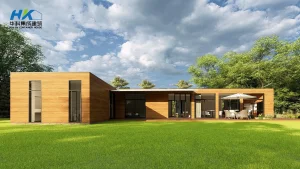
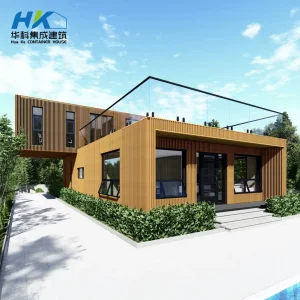
Designed with luxury exterior timber cladding, full-height double-glazed panoramic windows, ambient LED architectural lighting, and integrated luxury vanities. Fits seamlessly into national parks and coastal eco-lodges with zero permanent site footprint.
High-capacity 40ft container toilet blocks designed with separate male, female, and ADA-compliant unisex accessible cabins. Integrated automatic turnstiles, solar roof kits, and vandal-proof touchless sensor faucets for heavy foot-traffic management.
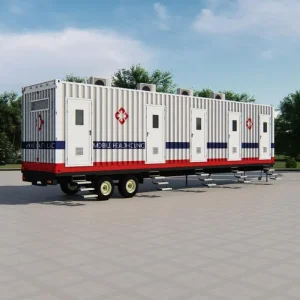
Rapidly deployable containerized sanitization hubs transportable via cargo C-130 aircraft or flatbed trucks. Equipped with self-contained diesel generators, integrated clean water bladder storage, and UV sterilization water filtration loops.
Built to endure high-salinity maritime air environments. Exterior walls feature 3-coat marine polyurethane marine painting systems, stainless steel 316 hardware, and automated high-throughput urinal banks for heavy logistics personnel.
How smart IoT sensors, vacuum flush technology, and off-grid solar micro-grids are reshaping containerized ablution engineering.
Traditional gravity-flush toilets require 6 to 9 liters of clean water per flush. Next-generation custom container toilets integrate airline-style vacuum flush systems that utilize just 0.5 to 0.8 liters per cycle. By reducing total wastewater volume by up to 90%, operational holding tank pumping costs drop exponentially, making off-grid installations commercially viable for extended durations.
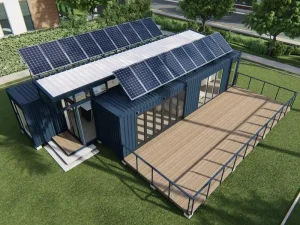
Equipped with roof-mounted monocrystalline solar panel arrays, lithium-ion battery banks, and solar inverter units, modern containerized rest rooms run 100% off-grid. Integrated Graywater Recycling Systems collect handwashing runoff, channel it through multi-stage bio-reactors, ultrafiltration (UF) membranes, and UV sanitizers, and reuse it for toilet flushing. Blackwater is routed to high-temperature incinerating units or localized aerobic digestion tanks, achieving true net-zero environmental impact.
Commercial operators buying bulk container toilets now require remote telematics. Factory-integrated IoT modules monitor holding tank levels, water consumption rates, ambient indoor air quality (VOC and ammonia sensors), and occupancy counts in real-time. Automated alerts notify maintenance crews when supply tanks need replenishment or when HVAC filters require replacement, reducing municipal and facility maintenance overhead by up to 40%.
Detailed technical answers addressing procurement parameters, local building code compliance, shipping logistics, and custom plumbing engineering.
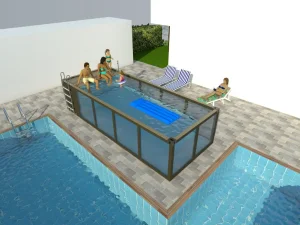
Explore our full line of industrial gas housing, mobile clinics, container pools, and luxury modular villas.