Architectural Fenestration & Modular Building Integration Whitepaper

Custom Powder Coated Aluminium Sliding Windows Quotes & Suppliers

An engineering, procurement, and technical performance guide for B2B project managers, modular building manufacturers, and architectural specifiers seeking durable fenestration solutions.

Direct Factory Catalog

Featured Modular Structures & Integrated Systems

Explore factory-direct modular units, shipping container conversions, and custom structural frameworks engineered to incorporate high-performance powder-coated aluminium sliding windows.
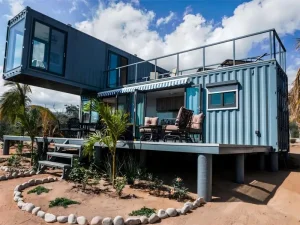
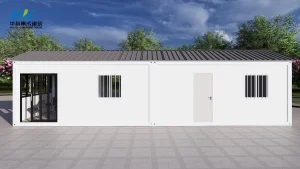
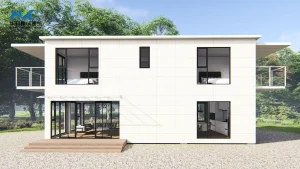
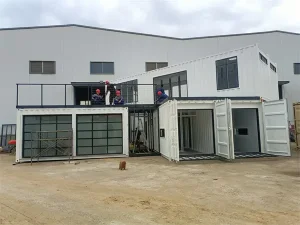
Wholesale two story modular prefab shipping container house

Wholesale Two Story Modular Prefab Shipping Container House

View Product & Quotes
Custom Easy Install Quick Assembly Container Guard Rooms

Custom Quick Assembly Flat Pack Guard Security Rooms

View Product & Quotes
Luxury 2 Storey Customized Prefabricated Container Villa

OEM Luxury 2-Storey Prefabricated Container Villa (4*40FT)

View Product & Quotes
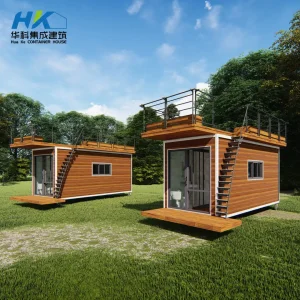
Custom Created Modular Prefab Container House

Custom Created Modular Prefab Container House Units

View Product & Quotes
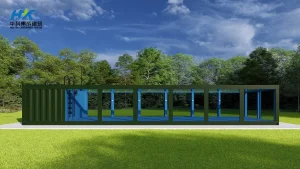
Wholesale Top Quality Swim SPA Prefab Container Pool

Wholesale Endless Swim SPA Glass Prefab Swimming Container Pool

View Product & Quotes
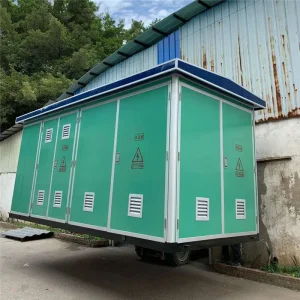
Custom Equipment Shelter Supplier

Custom Weatherproof Equipment Shelter Enclosures

View Product & Quotes
Light steel structure modular prefabricated house

Light Steel Structure Modular Prefabricated Villa Housing

View Product & Quotes
Two-Story Idyllic Villa Luxury Container House

Custom Two-Story Idyllic Villa Luxury Container House

View Product & Quotes
Market Intent & Global Procurement Analysis

Macro Dynamics of Powder Coated Aluminium Fenestration in Modern Architecture

In the rapidly evolving landscape of commercial real estate, modular housing, and industrial infrastructure, fenestration is no longer viewed merely as a passive building envelope component. The global demand for custom powder coated aluminium sliding windows has surged, driven by stringent structural efficiency standards, aggressive decarbonization mandates, and the modern architectural preference for expansive daylighting with ultra-slim sightlines.

Global Demand Drivers

Commercial developments and prefabricated residential projects across North America, Europe, Australia, and the Middle East require windows capable of enduring extreme climate stress—ranging from high-salinity coastal air to sub-zero freeze-thaw cycles—without suffering aesthetic chalking or structural degradation.

The B2B Procurement Intent

When enterprise procurement officers search for window quotes and suppliers, their underlying search intent focuses on total cost of ownership (TCO), compliance with regional structural loading standards (such as AS2047, EN 12207, or ASTM E330), thermal break insulation ratings, and long-term coating warranty integrity.

Integration with Prefabrication

As industrialized off-site construction (flat-pack containers, modular steel villas, equipment shelters) accelerates globally, fenestration suppliers must deliver millimeter-precise extrusions that seamlessly integrate into steel frame tolerances without thermal bridging or water ingress.

6063-T5
Architectural Aluminium Grade
60 - 80 µm
Standard Powder Coating Thickness
U ≤ 1.6
Thermal Break Performance (W/m²K)
AAMA 2605
High-Performance Fluoropolymer Spec
Materials Science & Surface Engineering

Powder Coating Metallurgy & Chemical Pretreatment Engineering

The resilience of an aluminium sliding window relies heavily on its surface coating chemistry. Unfinished aluminium forms a thin natural oxide layer, but severe environmental exposure leads to filiform corrosion and degradation. Industrial-grade powder coating provides an impenetrable barrier against moisture, ultraviolet rays, acid rain, and mechanical abrasion.

1. Pretreatment & Conversion

Prior to powder application, extrusions undergo a multi-stage chemical pretreatment line. Modern eco-friendly processing utilizes chrome-free titanium-zirconium conversion coating to enhance adhesion and guarantee salt-spray resistance exceeding 2,000 hours under ASTM B117 testing standards.

2. Electrostatic Deposition (ESD)

Thermosetting polymer powders (polyurethane, polyester, or FEVE fluoropolymers) are charged electrostatically at 60–90 kV and sprayed onto grounded extrusions. This guarantees uniform film thickness (60 to 100 micrometers) across intricate sliding track profiles and deep internal cavities.

3. Thermal Polymer Curing

The coated extrusions pass into automated convection curing ovens maintained at 180°C to 200°C for 15 to 20 minutes. The resin melts, flows, and cross-links into a dense structural polymer matrix that exhibits superior impact toughness and zero off-gassing of volatile organic compounds (VOCs).

Architectural Powder Coating Performance Specifications

Specification Category AAMA 2603 (Standard) AAMA 2604 (High Performance) AAMA 2605 (Superior Fluoropolymer)
Primary Resin Chemistry Standard Polyester Super Durable Polyester (SDP) Fluoropolymer (PVDF / FEVE)
Florida UV Exposure Test 1 Year Integrity 5 Years High Integrity 10+ Years Extreme Integrity
Humidity Resistance (ASTM D2247) 1,500 Hours 3,000 Hours 4,000+ Hours
Chalking & Fade Resistance Moderate Resistance High Color Retention (ΔE < 5) Exceptional Retention (ΔE < 5)
Recommended Application Interior / Standard Residential Commercial Low/Mid-Rise High-Rise / Coastal / Extreme UV
Structural & Thermal Engineering

Thermal Breaks, Acoustic Decoupling & Weatherproofing Mechanics

Standard aluminium exhibits high thermal conductivity (approx. 160 W/m·K), which can create thermal bridges in insulated modular buildings if not properly engineered. Modern custom sliding window systems utilize structural thermal break technology to achieve high thermal performance.

  • Polyamide (PA66 GF25) Strut Insertion: High-precision structural thermal breaks reinforced with 25% glass fiber isolate the exterior and interior aluminium profiles. This reduces thermal conductivity across the frame while maintaining structural resistance against wind load deflection.
  • Insulating Glass Unit (IGU) Configurations: Custom sliding windows support double or triple glazing options (e.g., 6mm Low-E Toughened + 12Ar + 6mm Clear) combined with warm-edge spacer bars to minimize heat transfer (achieving U-values as low as 1.4 W/m²K).
  • Multi-Point EPDM Gasket Seals: Synthetic Ethylene Propylene Diene Monomer (EPDM) gaskets resist weathering, UV degradation, and compression set. They maintain air tightness (EN 12207 Class 4) and water tightness (EN 12208 Class 9A).
  • Heavy-Duty Stainless Steel Roller Systems: Precision dual-wheel tandem rollers rated up to 250 kg per sash ensure smooth, silent sliding operation even on oversized glass spans.

Structural Rating Targets

Wind Load Resistance:
Up to 4500 Pa (ASTM E330)
Water Ingress Threshold:
600 Pa Static Pressure
Acoustic Rating (STC/Rw):
38 dB - 44 dB Sound Attenuation
Air Infiltration:
< 0.1 L/s·m² at 75 Pa
Architectural Integration

Fenestration Integration Roadmap for Modular & Container Architecture

Installing custom sliding windows into off-site prefabricated structures requires careful engineering around structural flex, thermal movement, and transport stresses. Below is the technical installation workflow designed for modular steel frames and shipping container cut-outs.

01

Sub-Frame Steel Reinforcement

Container cut-outs release structural wall tension. Precision SHS (Square Hollow Section) steel sub-frames must be welded around the window perimeter, treated with anti-corrosion primer, and aligned within ±1.5 mm tolerance.

02

Flange & Sub-Sill Flashing

Custom powder-coated aluminium extrusions are manufactured with integrated nailing fins or exterior sub-sill flashing channels. This directs wind-driven rain away from internal sandwich wall insulation.

03

Transport Vibration Locking

For modules shipped via ocean freight, sliding sashes incorporate transit locks and removable structural wedges. This prevents track micro-deformations caused by wave motion and road travel vibrations.

B2B Procurement Matrix

Cost Breakdown Factors & Supplier Evaluation Guidelines

Evaluating quotes for custom powder coated aluminium sliding windows requires examining key specification factors beyond basic square-meter pricing. The table below outlines how specific engineering variables affect the final procurement quote.

Cost Driver Component Standard Specification (Entry Level) High-Performance Specification (Architectural) Budget Impact (%)
Aluminium Profile System Non-Thermal Break (1.4mm Wall Thickness) Polyamide Thermal Break (2.0mm - 3.0mm Heavy Duty) +25% to +40%
Powder Coating Formulation Standard Polyester (AAMA 2603 / Qualicoat Class 1) Super Durable FEVE / PVDF (AAMA 2605 / Qualicoat Class 3) +12% to +20%
Glass Configuration 5mm Single / 5+9A+5 Double Clear Toughened 6mm Low-E + 16Ar + 6mm Triple Laminate Acoustic +30% to +55%
Hardware & Lock Mechanism Single-Point Latch Lock (Zinc Alloy) Stainless Steel Multi-Point Security Lock (316 Grade) +8% to +15%
Flyscreen / Insect Mesh Fiberglass Roll-up Mesh 304 High-Tensile Stainless Steel Security Mesh (0.8mm) +15% to +25%

Pro-Tip for International RFQ Submissions

When submitting a Request for Quote (RFQ) to window suppliers, always specify: 1) Structural wind load requirements, 2) Precise RAL color codes or Qualicoat numbers, 3) Glass assembly specifications including Low-E coating positioning, and 4) Mandatory regional certification needs (e.g., CE marking, AS2047 test reports, or NFRC thermal ratings).

Technical Knowledge Base

Frequently Asked Questions for B2B Window Procurement

Direct technical answers regarding custom specifications, lead times, surface warranties, and international logistics.

What is the difference between standard anodizing and architectural powder coating for aluminium sliding windows?
Anodizing is an electrochemical process that converts the aluminium metal surface into a durable, corrosion-resistant aluminum oxide finish. While anodizing provides strong metallic aesthetics, it offers a limited color palette (bronze, silver, black) and can be prone to batch shade variation.

In contrast, architectural powder coating applies charged polymer resins electrostatically, offering virtually limitless RAL colors, varying sheen levels (matte, satin, gloss), textured finishes, and superior chemical resistance against urban smog and industrial pollutants. High-grade powders (AAMA 2604/2605) also provide better color retention and fade resistance over extended exposure.
How do custom powder coated aluminium sliding windows perform in coastal environments?
In coastal zones (within 5 km of saltwater environments), airborne salt particles can cause filiform corrosion beneath standard coatings. To ensure durability, custom windows must utilize Qualicoat Seaside-class or AAMA 2605 compliant pre-treatment. This includes an aggressive acid etch followed by a chrome-free zirconium conversion layer, paired with Super Durable Fluoropolymer (PVDF/FEVE) powder coatings.

Additionally, all hardware components—including rollers, tracks, and multi-point locking mechanisms—must be specified in 316 marine-grade stainless steel to prevent galvanic corrosion.
Can powder coated aluminium sliding windows be integrated directly into shipping container cut-outs?
Yes. However, because ISO shipping container corrugated steel walls flex under structural stress and thermal expansion, windows cannot be installed directly into raw steel cut-outs.

A dedicated structural steel sub-frame (typically 50x50mm or 100x50mm RHS tubing) must first be welded into the opening, rust-proofed, and sealed. The window frame is then secured inside this sub-frame using flexible EPDM flashing tapes and structural silicone joints. This approach isolates the glass unit from container rack-and-twist stresses during transport.
What certifications should enterprise buyers request from window suppliers?
To confirm structural integrity, safety, and compliance with local building codes, enterprise buyers should request:
  • AS2047 / AS1288 (Australia): Mandates deflection, water penetration, air infiltration, and safety glass standards.
  • CE Marking / EN 14351-1 (Europe): Verifies thermal performance, water tightness, and structural load resistance.
  • NFRC / AAMA / WDMA (North America): Validates U-factor, Solar Heat Gain Coefficient (SHGC), and air leakage ratings.
  • Qualicoat / Intertek / AkzoNobel License: Validates powder coating film thickness, adhesion, and salt-spray resistance.
What is the standard production lead time and minimum order quantity (MOQ) for custom quotes?
For custom architectural extrusion profiles and non-standard RAL colors, standard factory lead time ranges between 25 to 35 calendar days following final shop-drawing approval. This includes extrusion die creation (if custom profile required), chemical powder coating lines, IGU glass cutting/curing, and assembly testing.

MOQs vary by custom color requirements: standard architectural colors (e.g., RAL 9005 Black, RAL 7016 Anthracite Grey) typically carry low MOQs (10–20 units), whereas specialized custom RAL shades may require minimum extrusion runs of 1 to 3 metric tons.
How does glass selection impact the overall window energy rating?
While the aluminium frame accounts for roughly 10% to 20% of the total window surface area, the glass assembly dominates the overall thermal performance. Selecting Double Insulated Glass Units (IGUs) with Low-E (low-emissivity) coatings reflects long-wave infrared heat while permitting visible daylight. Filling the glass cavity with inert Argon gas further reduces conductive heat transfer, lowering U-values from a standard 5.8 W/m²K (single glass) down to under 1.6 W/m²K.
Commercial & Industrial Range

Expanded Prefabrication & Specialized Solutions

Explore additional commercial container homes, site offices, expandable units, and specialized modular shelters built with factory-fitted sliding window assemblies.
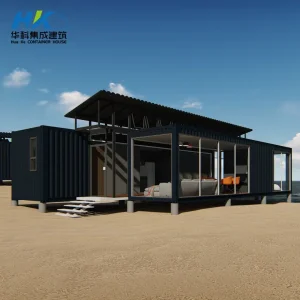
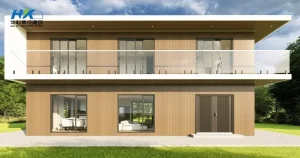
Custom 2*40ft Modified Shipping Container House

Custom 2*40ft Modified Shipping Container House Layouts

View Product & Quotes
Modern Architectural 2 Floors Luxury Prefab Container Villa

Modern Architectural 2-Story Luxury Prefabricated Village Villa

View Product & Quotes
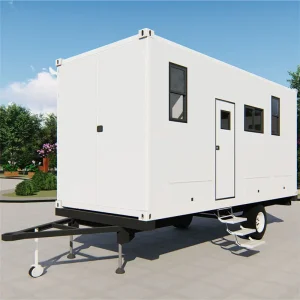
Customized Modular Fiberglass Mobile Caravan

Customized Modular Fiberglass Mobile Caravan Container Units

View Product & Quotes
Modular Steel Structure Labor Camp Prefab House

Modular Steel Sandwich Panel Labor Camp Prefabricated Housing

View Product & Quotes
Custom 20ft expandable shipping container shop coffee shop

Custom 20ft Expandable Container Commercial Coffee Shop

View Product & Quotes
Customizable 40ft Container House Factory

Customizable Architectural 40ft Modular Container House

View Product & Quotes
40ft modified shipping container house

High-Quality 40ft Modified Shipping Container Residence

View Product & Quotes
Portable Prefab Tiny Expandable Container Home

Portable Prefab Tiny Expandable Container Home Units

View Product & Quotes
Global Project Support

Ready to Request Technical Quotations & CAD Specifications?

Connect directly with our engineering division to submit your architectural drawings, window schedules, or modular building specifications. Receive comprehensive factory-direct quotes within 24 hours.

Contact Engineering Sales Download Engineering Catalog