Explore our core engineering catalog optimized for high-mobility deployment, commercial durability, and severe environmental resilience.
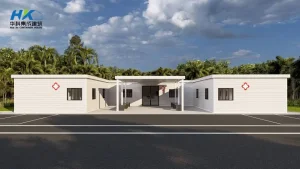
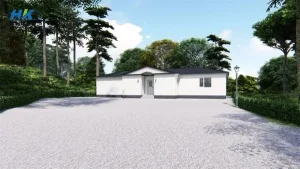
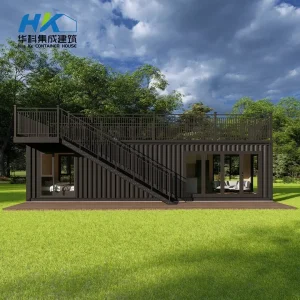
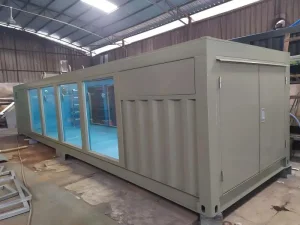
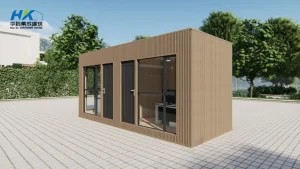
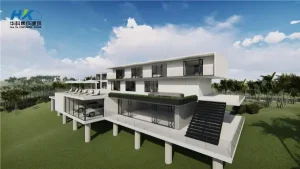
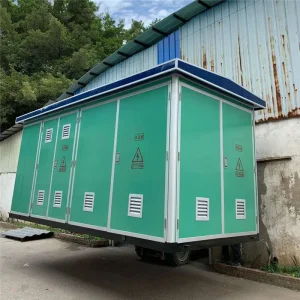
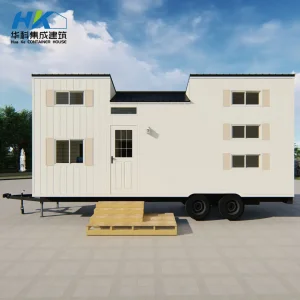
A technical whitepaper on standardizing off-grid mobile restrooms for glamping operators, national park services, commercial rental fleets, and disaster response units.
The global demand for high-end eco-tourism, outdoor glamping hospitality, and decentralized field site infrastructure has shifted the operational paradigm of portable sanitation. Legacy polyethylene single-unit toilets, historically constrained by chemical odor accumulation, micro-structural flex, and inadequate waste treatment, are being systematically replaced by Industrial-Grade Modular Camping Restroom Complexes. B2B procurement heads, project developers, and municipal buyers require solution architectures that deliver residential-grade hygiene, extreme environmental longevity, and optimized Total Cost of Ownership (TCO).
This technical whitepaper analyzes the structural engineering, fluid dynamics, manufacturing efficiency, and procurement cost structures defining modern high-quality portable restrooms for camping. Engineered within advanced Industry 4.0 production environments in China, these modular units incorporate integrated vacuum flush systems, blackwater bio-digesters, heavy-duty hot-dip galvanized frame chassis, and climate-controlled thermal envelopes.
Deconstructing cost factors, shipping cube efficiency, and commercial specs for B2B procurement teams.
Enterprise buyers evaluate sanitation assets not merely on initial FOB price, but on lifecycle maintenance costs, sanitization speed per unit, wall panel chemical resistance, and salvage value after 5–10 operational seasons.
Transportation economics dictate product engineering. By designing knock-down modular frame systems, a standard 40ft High Cube container can transport up to 12 fully fitted camping restroom pods, reducing sea freight costs by 65% per unit.
Commercial camping sites require seamless stainless-steel fixtures (SUS 304/316), anti-microbial rotomolded resin partitions, and concealed plumbing conduits to eliminate accidental damage or intentional tampering.
Below is a factory-direct breakdown of standard model tiers, engineering specs, and bulk unit pricing ranges for global export procurement.
| Restroom Model Category | Core Materials & Structural Frame | Waste Management System | Target Application | Est. Factory Unit Price (USD) |
|---|---|---|---|---|
| Eco-Compact Single Pod | Fiberglass (FRP) Shell + Light Steel Chassis | 250L Integrated Holding Tank / Gravity Flush | Short-stay campsites, hiking trails | $850 – $1,400 |
| Glamping Luxury Dual Suite | LGS Frame + PU Sandwich Panel (50mm) | Micro-flush Vacuum / Off-grid Bio-digester | High-end Glamping Resorts, Eco-Lodges | $3,200 – $5,800 |
| Multi-Stall Commercial Trailer | Hot-Dip Galvanized Chassis + Aluminum Trim | Macerating Pump / Direct Sewer Hookup | Festival Grounds, Outdoor Events, Parks | $8,500 – $16,000 |
| Solar Off-Grid Modular Suite | Corten Steel Frame + Integrated PV Roof Array | Closed-loop Water Recycling + UV Sterilization | Remote Wilderness Reserves, Mining Camps | $12,000 – $24,000 |
Deploying specialized sanitation infrastructure tailored to specific terrain, operational intensity, and regulatory standards.
Glamping guests demand five-star hospitality standards in wilderness environments. Factory-built luxury camping restrooms integrate modern ceramic finishes, glass-enclosed shower stalls, tankless instant water heaters, and smart LED ambiance lighting. The structural shell features Polyurethane (PU) insulation cores providing R-24 thermal resistance, keeping interiors comfortable in sub-zero winters or tropical summer heat.
Public sector buyers require low-maintenance, heavy-duty structures capable of withstanding heavy daily use and seasonal weather extremes. Solutions utilize high-density polyethylene (HDPE) or hot-dip galvanized steel frames with anti-graffiti powder coating. Plumbing configurations feature heavy-duty gravity-drop systems paired with extra-large 1,000L waste bladders or bio-septic digestion tanks.
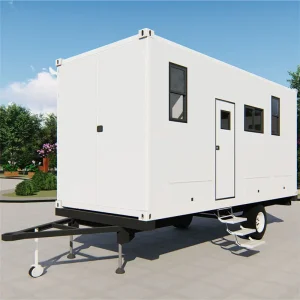
Rental operators need units engineered for rapid loading, road stability, and easy power/water interconnectivity. Towable trailer-mounted portable restrooms feature dual-axle braking systems, DOT/CE road certifications, quick-connect sewer couplings, and centralized power distribution panels for rapid field deployment.
In humanitarian emergencies or remote resource extraction projects, hygiene infrastructure must be operational within hours. Modular flat-pack restroom blocks can be assembled on-site using simple hand tools, providing multi-stall capacity with integrated greywater filtration to prevent environmental contamination.
How automated fabrication, scale economies, and material supply chains deliver superior price-performance ratios.
The manufacturing architecture behind China’s leading modular building factories represents a quantitative leap in precision engineering. Moving beyond traditional manual welding workshops, contemporary Factory 4.0 facilities operate fully automated Light Gauge Steel (LGS) roll-forming lines driven by CAD-to-CAM software, ensuring structural tolerances within ±0.5mm.
Computer-guided cold-formed steel manufacturing produces rigid structural framing members with pre-punched utility chases, reducing labor assembly time by 70% while guaranteeing structural wind resistance up to 180 km/h.
Fiberglass and anti-corrosive protective linings are applied using multi-axis robotic arms, ensuring uniform coat thickness, eliminating void spaces, and ensuring 100% waterproof encapsulation of all wet-room flooring assemblies.
Every restroom pod undergoes simulated high-pressure storm deluge testing and 48-hour hydrostatic holding tank leakage inspection prior to final export packaging.
By leveraging localized industrial clusters for raw steel, PVC piping, ceramic sanitization hardware, and solar power components, Chinese factories achieve unmatched bill-of-materials (BOM) cost efficiency. This allows B2B buyers to acquire premium-grade, fully fitted mobile restrooms at a fraction of North American or Western European manufacturing costs, without compromising structural or hygienic standards.
The technological vectors reshaping mobile sanitation: Smart telematics, circular water reuse, and carbon-neutral composites.
Future off-grid camping restrooms will operate on zero-liquid-discharge (ZLD) systems. By combining multi-stage ceramic membrane filtration with ozone and UV-C sterilization, greywater from sinks and showers is purified back to flush-grade standards. This eliminates the need for external fresh water supply hookups in delicate ecological zones.
Next-gen commercial restroom fleets are becoming connected edge nodes. Embedded ultrasonic tank sensors monitor blackwater levels in real time, automated air-quality sensors trigger active carbon ventilation when VOC levels rise, and smart door locks provide contactless mobile app entry for paid public camping sites.
For extreme remote environments where vacuum pumping trucks cannot enter, incinerating toilet technologies powered by LPG or high-efficiency solar thermal storage reduce human waste down to sterile, non-hazardous ash, eliminating holding tank pumping cycles entirely.
Structural panels are evolving toward bio-resins reinforced with recycled carbon fiber and micro-graphene additives. These materials provide twice the tensile strength of conventional fiberglass while reducing pod weight by 35%, dramatically lowering shipping fuel footprints.
Ensuring seamless legal deployment across North American, European, Australian, and Middle Eastern jurisdictions.
Exporting modular restroom facilities requires strict compliance with local plumbing code frameworks, electrical safety mandates, and accessibility regulations. Factory engineering teams customize every order to match the target market's legal mandates:
Designing compliant units featuring 60-inch wheelchair turning radiuses, continuous grab bars, zero-threshold entry ramps, and lowered sink vanities per US ADA and European accessibility guidelines.
Pre-installing pipework compliant with UPC (Uniform Plumbing Code), WaterMark (Australia), and CE certifications. All fittings utilize standardized PEX or PVC sizes for direct connection to local water mains.
Configuring internal wiring, breakers, and GFCI outlets for 110V/60Hz (UL standard) or 230V/50Hz (IEC/CE standard), fully integrated with waterproof junction boxes and exterior shore power plugs.
Browse our complete line of modular container houses, trailer caravans, and specialized structural enclosures.
Technical clarity for project managers, importers, and outdoor hospitality operators.