Explore factory-direct off-road mobile living systems, modified ISO shipping units, and modular tiny homes engineered for rugged deployment.
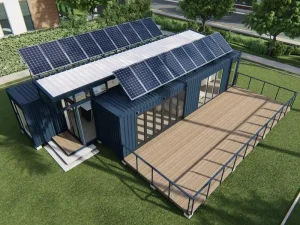
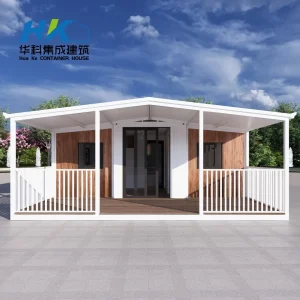
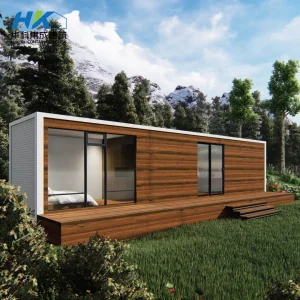
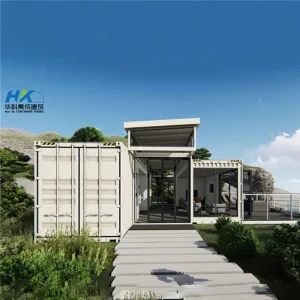
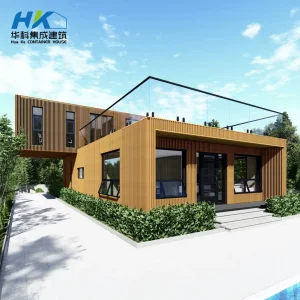
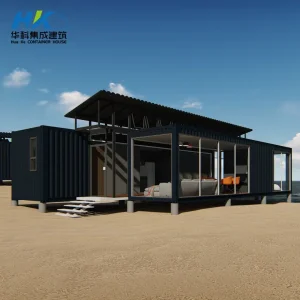
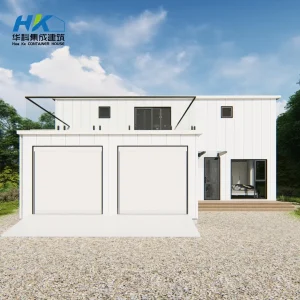
The global market for off-road recreational vehicles (RVs), expedition trailers, and rugged off-grid modular shelters is undergoing a fundamental structural transformation. Driven by rising consumer demand for remote exploration, overlanding, eco-tourism resorts, and robust off-grid living, specialized OEM/ODM factories are bridging the gap between traditional automotive RV building and modern modular architectural engineering.
Historically, the off-road camper market was dominated by boutique regional fabricators. However, the scale requirement for high-precision hot-dip galvanized chassis manufacturing, laser-cut steel framing, thermal barrier optimization, and integrated lithium-solar energy storage has shifted procurement toward specialized industrial manufacturing centers. Global distributors, fleet operators, glamping developers, and commercial buyers now seek integrated manufacturing partners capable of delivering custom off-road RVs, teardrop campers, expandable modular units, and off-grid living shells with verified structural integrity and scalable cost efficiencies.
Increasing penetration of wild camping and overland travel in North America, Australia, and Western Europe has elevated the requirement for heavy-duty, multi-terrain capability. Commercial fleet buyers demand standardized, certified chassis with custom interior lay-outs to satisfy both consumer rental markets and remote industrial field housing.
Modern off-road campers require compliance with stringent vehicle safety regulations, including ADR (Australian Design Rules), DOT (US Department of Transportation), and EU Type Approvals. Factory sourcing strategies must prioritize suppliers with proven chassis stress-testing, automated robotic welding, and dynamic suspension calibration.
Evaluating OEM manufacturing quotes requires looking beyond base unit pricing. Professional procurement considers frame galvanization depth, suspension component sourcing, insulation R-values, off-grid electrical architecture, and ocean shipping pack-density optimization (CKD/SKD vs. CBU).
Designing an off-road RV camper demands a radical engineering departure from standard highway travel trailers. Off-road units face extreme torsional twisting, continuous vibration, harsh ambient temperature differentials, and high impact forces from unpaved terrain.
The core foundation relies on Q345B or RHS (Rectangular Hollow Section) high-strength structural steel. Factory processes involve precision CNC laser cutting and robotically welded ladder frame designs. Post-fabrication hot-dip galvanization (minimum 85-micron coating thickness) ensures 20+ years of rust prevention in salt-spray, muddy, and desert environments.
Standard solid beam axles fail under severe off-road corrugated conditions. Modern custom factories integrate heavy-duty independent trailing arm suspension systems equipped with dual heavy-duty nitrogen gas shock absorbers, heavy-coil springs, and 360-degree off-road coupling hitches (e.g., Cruisemaster or DO35 compatible configurations) to maximize wheel articulation and ground clearance.
Body construction has evolved from timber framing and thin aluminum cladding to advanced thermal-bridge-free composite panels. Utilizing high-density Closed-Cell Polyurethane (PU), XPS foam cores, or spray foam insulation bonded between FRP (Fiberglass Reinforced Plastic) skins provides exceptional structural rigidity, lightweight durability, and superior R-values (R-16 to R-28).
Off-road capability is directly tied to power autonomy. Advanced factories integrate high-capacity 48V/24V LiFePO4 (Lithium Iron Phosphate) battery banks (400Ah to 1000Ah), MPPT solar charge controllers, rooftop integrated monocrystalline solar panels (600W–1200W), and pure sine wave inverters capable of powering climate control and induction cooking seamlessly.
| Engineering Component | Standard Highway RV | Heavy-Duty Off-Road Camper | Factory OEM Custom Options |
|---|---|---|---|
| Chassis Frame | Painted C-Channel Steel | Hot-Dip Galvanized RHS / Box Steel | Custom clearance lift, laser-cut gussets |
| Suspension System | Leaf Spring / Torsion Axle | Independent Trailing Arm + Dual Shocks | Air suspension with auto-leveling valves |
| Wall Panel Core | Wood Studs + EPS Insulation | FRP Sandwich Panel (PU / Spray Foam) | Aluminum honeycomb composite cores |
| Coupling Hitch | Standard 50mm Ball Hitch | 360° Articulating Off-Road Coupler | Pintle ring / DO35 / DO45 heavy-duty hitch |
| Power Infrastructure | 100Ah AGM + Shore Power | 400Ah-800Ah Lithium + MPPT Solar | Off-grid PV array + Smart IoT Monitoring |
The off-road RV camper and modular habitation sector is converging with EV power platforms, lightweight aerospace materials, and automated smart-home automation. Commercial buyers must align with factories actively investing in next-generation manufacturing technology.
As electric trucks (such as Rivian, Cybertruck, and Ford F-150 Lightning) become primary tow vehicles, camper manufacturers are developing active driven axles with integrated battery packs. This reduces tow drag, extends EV driving range, and enables self-propelled maneuvering via remote control in tight off-road terrain.
Modern overland buyers demand compact towing footprints combined with expansive interior living spaces upon campsite deployment. Custom factories are implementing heavy-duty linear actuator slide-outs, pop-top hard-roof systems, and folding modular panels with dual-stage hydraulic seals.
Next-generation campers feature centralized CAN-bus control systems connected to mobile apps. Users monitor water tank levels, battery state-of-charge, tire pressure (TPMS), and perimeter security cameras in real-time. Advanced units integrate atmospheric water generators (AWGs) to harvest drinking water directly from air humidity.
Off-road environments vary dramatically across global markets. OEM factories must offer regional specification packages tailored to localized climate stresses, road regulations, and terrain challenges.
Requires heavy-duty independent suspension with dual shocks, dust-proof pressure blowers to prevent red-dust infiltration into living areas, high R-value insulation against 45°C+ heat, ADR compliance, and stone-guard protection plates along the drawbar.
Demands heated winterization packages for freshwater tanks, high-efficiency diesel heater integration, high-clearance frame designs for rock crawling in Utah/Colorado, and US DOT-certified braking systems (electric drum or hydraulic disc).
Focuses on compact exterior dimensions (under 2.1m width) to navigate narrow mountain passes, strict vehicle weight limits (under 3,500kg MTPLM for standard driving licenses), lightweight aluminum construction, and TUV/CE certification compliance.
Configured as rugged mobile command centers, geological survey habitats, or temporary field accommodation. Features heavy-duty vinyl flooring, reinforced tool storage racks, satellite communications integration, and diesel generator hookups.
Sourcing custom off-road campers and modular habitations directly from tier-1 manufacturing facilities requires a structured procurement protocol to ensure quality assurance, regulatory compliance, and ocean logistics efficiency.
Collaborate with factory engineers to finalize 3D CAD models, weight distribution calculations, axle load ratings, and interior floor plans. Ensure structural finite element analysis (FEA) is conducted for heavy stress points.
Verify component origin certificates. Specify global brand standards for high-wear items: DexKo/AL-KO axles, Truma or Dometic climate units, Victron or REDARC solar electronics, and Maxxis or Goodrich off-road tires.
Enforce factory factory acceptance tests (FAT), including high-pressure monsoon water leak testing (minimum 2-hour duration), 100% electrical circuit isolation checks, and dynamic brake testing prior to crating.
Evaluate container packing configurations. Flat-pack modular units ship via standard 40ft High Cube containers, while fully assembled off-road campers are secured using specialized Ro-Ro (Roll-on/Roll-off) or flat-rack shipping protocols.
Key answers to critical technical, factory negotiation, and import/export questions for commercial purchasers and importers.
Complete your portfolio search with high-grade steel structures, multi-story container villas, modular labor camps, and capsule mobile units.