Explore our export-grade architectural fenestration systems and modular prefabricated structures customized with advanced powder coated aluminum framing.
Understanding the intersection of electrostatically applied thermosetting polymers, thermal-break extruded aluminum profiles, and modular building system integration.
While anodizing creates an integrated oxide layer, architectural thermosetting powder coating (specifically Qualicoat Class 2 & 3 fluoropolymer systems) offers superior impact resistance, zero VOC emissions during application, broader color consistency (RAL/NCS matrix matching across mill runs), and enhanced resistance to atmospheric acid rain and industrial airborne pollutants.
Powder coating involves fine resin particles (polyester, polyurethane, or fluoropolymer) charged electrostatically (60-90 kV) and sprayed onto pre-treated 6063-T6 aluminum alloys. Cured at 180°C–200°C, it forms a continuous, cross-linked protective barrier against UV radiation, moisture, and chemical degradation.
Modern powder coated sliding windows utilize precision Polyamide 66 reinforced with 25% fiberglass (PA66GF25) thermal struts. This multi-chambered structural break prevents thermal bridging, drastically reducing overall frame U-factors and mitigating interior condensation risks.
Custom sliding window assemblies integrate CNC-machined heavy-duty tandem stainless steel roller carriages (SUS304/SUS316) running along extruded stainless track liners, ensuring effortless operation for large glass sashes weighing upwards of 300 kg.
Standardized laboratory testing parameters defining long-term durability and atmospheric resistance for premium custom powder coated sliding fenestration.
How strict carbon neutral mandates, ultra-minimalist designs, and severe climate events are reshaping global commercial and residential fenestration specifications.
Global developers adhering to LEED v4.1 and BREEAM certifications demand zero-VOC powder coatings. Closed-loop reclaimed powder recovery systems in smart factories reduce raw material waste to under 2%, minimizing embodied carbon compared to traditional wet-spray painting.
Modern architectural aesthetics demand ultra-thin interlocking stiles (as slim as 18mm to 25mm) without structural compromise. High-tensile 6063-T6 aluminum combined with custom powder coating allows massive floor-to-ceiling sliding glass walls with structural wind pressure ratings up to 4.5 kPa.
To eliminate color batch variation inherent in conventional anodizing, architects are switching to textured, micro-matt, and hyper-durable metallic powder coatings (AAMA 2605 compliant). These finishes simulate brushed bronze, titanium, and champagne gold while providing uniform batch-to-batch consistency.
A rigorous framework for procurement directors, commercial contractors, and developers to assess custom powder coated sliding window suppliers.
Long-term coating adhesion depends 80% on pre-treatment. Top-tier suppliers utilize chrome-free zirconium/titanium chemical conversion coating lines. This multi-stage automated immersion/spray wash ensures micro-etching depth of 1.0–2.5 g/m², preventing filiform corrosion under humid or coastal exposures.
Custom specifications must define dry film thickness (DFT). Standard commercial grade requires 60–80 microns. Severe coastal or industrial environments mandate 80–120 microns applied via dual-pass electrostatic guns, measured using magnetic induction digital gauges (ISO 2360).
A window frame is only as reliable as its seals. Sourcing criteria must demand EPDM (Ethylene Propylene Diene Monomer) or TPE continuous weather-stripping gaskets, multi-point lock hardware engineered from grade 304/316 stainless steel, and anti-lift safety blocks integrated directly into the track frame.
| Coating Specification Standard | Primary Resin System | Accelerated Weathering (QUV) | Salt Spray Corrosion (ISO 9227) | Recommended Geographic Application |
|---|---|---|---|---|
| Qualicoat Class 1 / AAMA 2603 | Standard Architectural Polyester | 300 Hours Residual Gloss > 50% | 1,000 Hours No Blistering | Inland Residential & Mild Urban Climates |
| Qualicoat Class 2 / AAMA 2604 | Super Durable Polyester (SDR) | 1,500 Hours Residual Gloss > 50% | 2,000 Hours No Blistering | High-UV Regions, Commercial Mixed-Use |
| Qualicoat Class 3 / AAMA 2605 | Fluoropolymer (PVDF / FEVE Powder) | 4,000 Hours Residual Gloss > 50% | 3,000+ Hours No Blistering | Coastal Marine, Sub-Tropical & High Industrial |
How automated vertical powder coating lines and integrated aluminum extrusion hubs deliver unprecedented lead-time reduction and cost efficiency for international volume buyers.
Automated vertical electrostatic powder coating plants process profiles up to 7 meters in length at speed. Fast-color-change booths allow rapid swapping between custom RAL shades in under 15 minutes, maintaining lean production schedules.
Inline optical spectrophotometers monitor color variance (ΔE < 0.5) and gloss levels continuously. Any deviation triggers immediate automatic adjustment of powder flow rates and gun voltage settings, guaranteeing 100% batch consistency.
By housing billet casting, aluminum extrusion, thermal break assembly, surface powder coating, double/triple glazing fabrication, and final window assembly under one operational umbrella, supply chain friction is eliminated.
To eliminate shipping damage, profiles are film-wrapped automatically, corner-protected with high-density EVA foam, and crated in custom ISPM-15 compliant heat-treated wooden cases engineered for flat-pack container loading.
Customizing powder coated sliding window specifications to meet micro-climate challenges, architectural typologies, and structural requirements worldwide.
Environment: Severe salt spray, high humidity, constant sand abrasion.
Specification: Qualicoat Class 3 PVDF Powder Coating (80-100μm), Pre-treatment with chromate-free titanium conversion, Stainless Steel 316 heavy-duty rollers and friction stays, Triple-glazed laminated Low-E glass with argon fill.
Outcome: 25-year anti-corrosion guarantee without surface flaking or chalking.
Environment: Extreme temperature swings (-35°C to +25°C), high wind loads.
Specification: Multi-chambered 75mm frame depth, 34mm Polyamide thermal break (PA66GF25), Warm-edge spacers, Super Durable Powder Coating with high elasticity to resist thermal shock cracking.
Outcome: Overall window system U-value ≤ 0.95 W/m²K, preventing frame frost formation.
Environment: High structural vibration during ocean freight, rapid site assembly.
Specification: Custom flanged aluminum outer frames designed for direct integration into Corten steel corrugated walls or Light Gauge Steel (LGS) framing, impact-resistant Qualicoat Class 2 finish.
Outcome: Plug-and-play installation, zero water ingress at module joints, perfect aesthetic harmony with exterior cladding panels.
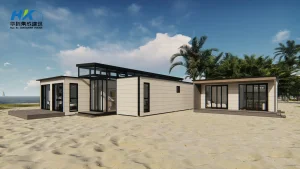
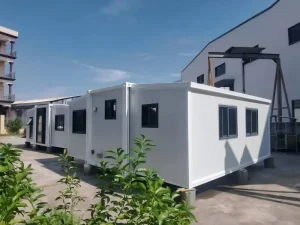
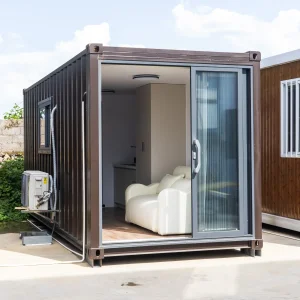
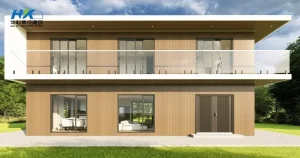
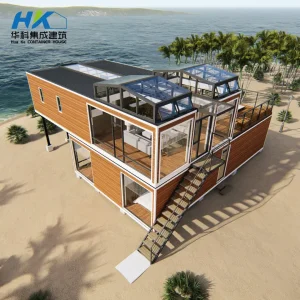
Explore our complete export line of custom prefabricated buildings, expandable units, and office modules integrating high-grade fenestration technology.
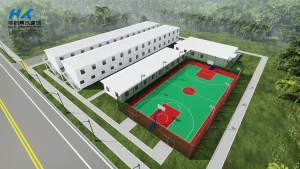
OEM customization construction Large-scale temporary buildings Quotes, Products
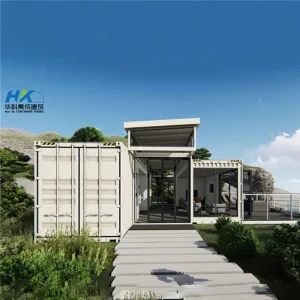
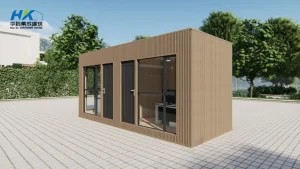
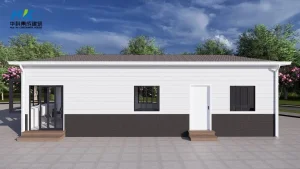
OEM 20ft container office customization services Factories, Pricelist
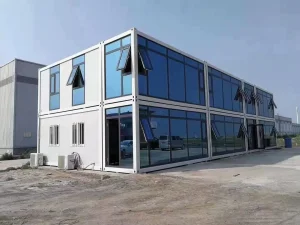
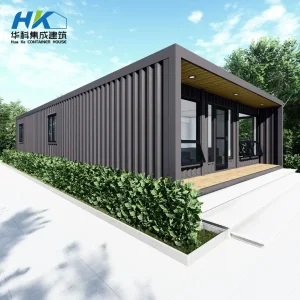
Wholesale Modern prefab flat pack container/house office /dorm . Products, Supplier
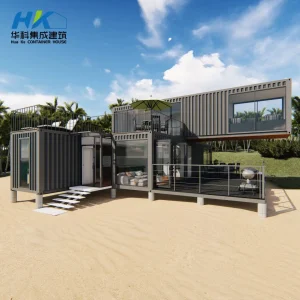
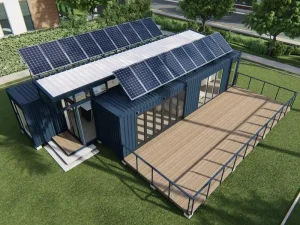
Custom 3*40ft Two Story Modular Prefabricated Shipping Container Home Factory, Pricelist
In-depth answers addressing powder coating performance, architectural specifications, customization options, and international compliance.