Factory-direct modular enclosures custom-fabricated for telecom operators, energy utilities, microgrids, and industrial automation across North & South Islands.
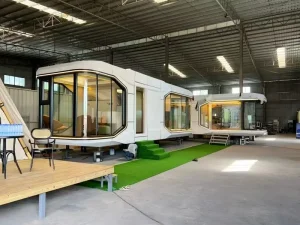
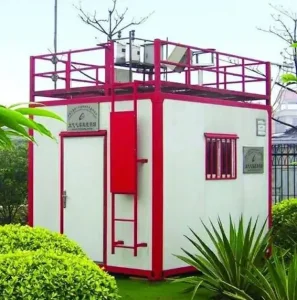
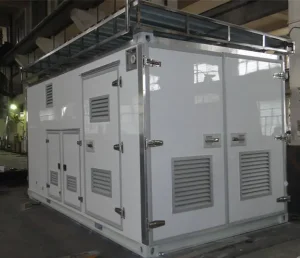
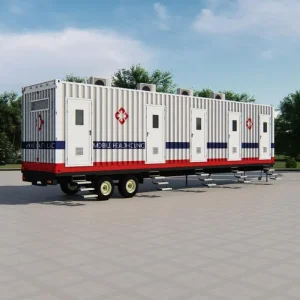
Analyzing geographical challenges, grid modernizations, telecom rollout, and severe weather mitigation strategies in Aotearoa New Zealand.
New Zealand’s industrial sector is undergoing a profound structural shift driven by the rapid expansion of rural 5G telecommunications, regional microgrids, and large-scale renewable energy storage projects (BESS). EPC contractors and grid operators demand highly reliable, turnkey OEM equipment shelters capable of housing sensitive switchgear, fiber optic termination racks, inverter systems, and lithium battery banks across isolated topographies—from Northland's coastal corridors to the Southern Alps.
Deploying sensitive electronic and electrical hardware in New Zealand presents unique environmental stressors. With coastal salt mist rated at ISO 12944 C5-M extreme marine corrosion, severe alpine snow loads, sub-zero winters, and intense ultraviolet radiation, conventional field enclosures degrade rapidly. Standard off-the-shelf shelters fail to prevent moisture ingress, internal condensation, and thermal bridging, creating urgent demand for OEM fiberglass sandwich panel (FRP) and heavy-gauge galvanized steel enclosures.
Information Gain Insight: Unlike standard off-the-shelf containers, true OEM equipment shelters engineered for New Zealand incorporate thermal break design matrices, anti-sulfurization coatings for geothermal zones (such as Rotorua/Taupo), and structural framing validated to withstand Ultimate Limit State (ULS) wind speeds exceeding 250 km/h under AS/NZS 1170.2.
Direct OEM manufacturing precision adhering strictly to New Zealand and Australian structural, electrical, and environmental building regulations.
Calculated against AS/NZS 1170.2 wind load standards for Alpine and Coastal Regions (Wind Regions A1 to W). Structures incorporate dynamic seismic dampers and internal equipment rack anchoring system compliant with AS/NZS 1170.5 Seismic Zone 4 requirements, preventing equipment shear failure during high-magnitude earthquake events.
Featuring heavy-duty continuous skin Fiberglass Reinforced Plastics (FRP) enclosing a high-density, fire-retardant Polyurethane (PU) or Rockwool core (density ≥ 120kg/m³). Thermal envelope delivers continuous R-values from R-3.0 to R-4.5 m²K/W, maintaining zero thermal bridge pathways to prevent interior condensation.
Factory-installed pre-wiring executed to AS/NZS 3000 Wiring Rules. Integrated equipotential copper earth bars (50mm x 6mm), heavy-duty cable entry glands (Moxa/Roxtec frame compatible), and lightning protection systems compliant with AS/NZS 1768 to safeguard sub-station level telecommunications and control gear.
| Engineering Parameter | Fiberglass (FRP) Equipment Shelter | Galvanized Corten Steel Modular Shelter | Aluminum Alloy Lightweight Enclosure |
|---|---|---|---|
| Primary Material Structure | Gel-coated FRP panel with rigid PU core | Cor-Ten anti-corrosive steel frame & walls | Extruded Marine Aluminum alloy framing |
| Thermal Insulation Value | R-3.5 to R-4.5 m²K/W (Zero thermal bridge) | R-2.5 to R-3.8 m²K/W (Insulated skin) | R-2.8 to R-3.5 m²K/W |
| Corrosion Resistance Rating | ISO 12944 C5-M / CX (Impervious to salt spray) | Hot-dip Galvanized + Zinc-rich Epoxy primer | Anodized Marine Grade (Anti-corrosive) |
| Seismic Resistance (AS/NZS 1170.5) | Zone 1 to 4 (Dynamic elasticity coefficient) | Zone 1 to 4 (High structural rigidity) | Zone 1 to 3 (Requires secondary bracing) |
| Ingress Protection (IP Rating) | IP65 / IP66 sealed double gaskets | IP55 / IP65 silicone sealed joints | IP54 / IP65 rubber perimeter seals |
| Fire Integrity Standard | BS 476 Part 7 Class 1 / AS 1530.4 (90 mins) | AS 1530.4 (120 mins structural fire barrier) | AS 1530.4 (60 mins fire rating) |
| Design Service Life | 35+ Years maintenance-free | 25+ Years (Requires exterior coating maintenance) | 30+ Years |
Custom OEM configurations tailored to national telecommunication networks, regional energy grids, agricultural automation, and remote mining operations.
For rural network upgrades across Northland, Waikato, and the West Coast, our OEM fiberglass telecom shelters house base transceiver stations (BTS), transmission links, optical line terminals (OLT), and backup battery racks. Integrated dual-redundant HVAC units maintain constant temperature and humidity levels, preventing thermal shutdown of 5G equipment even during high ambient summer peaks.
As solar farms and utility-scale wind installations rapidly expand across the Canterbury Plains and Hawke's Bay, our shelters serve as crucial sub-station control centers and BESS power conversion enclosures. Outfitted with automatic FM200/NOVEC 1230 fire suppression systems, thermal runaway containment barriers, and explosion-venting roofs, they ensure maximum operational safety under AS/NZS 5139 battery safety guidelines.
Engineered for Transpower grid contractors and local distribution networks (such as Vector, Powerco, and Orion), our heavy-duty steel and fiberglass modular shelters host protective relays, SCADA terminal units, and high-voltage switchgear. Standardized modular footprints facilitate rapid placement on concrete foundations via crane or helicopter for remote hill country sites.
Designed to support large-scale dairy processing plants, irrigation pump houses, and mining extraction zones. Shelters provide sealed, dust-proof IP66 environments protected against corrosive agricultural chemicals, high sulfur geothermal gas vapor (Rotorua/Taupo specs), and intense vibration from nearby heavy machinery.
Deep technical dive into thermodynamic optimization, HVAC redundancy algorithms, and emergency safety suppression inside isolated equipment shelters.
Equipped with dual micro-processor controlled wall-mounted air conditioning units configured for lead-lag operation and automatic changeover. System dynamically balances run-time hours while ensuring 100% cooling redundancy during compressor fault events, maintaining internal ambient temperatures between 18°C and 24°C under external temperatures up to +45°C.
To reduce annual operational energy expenditure by up to 65% in New Zealand’s temperate climate zones, our shelters integrate automated direct free-cooling dampers. Fitted with MERV 13 dust filtration and motorized weather louvers, the system draws in clean ambient outdoor air whenever external temperatures drop below internal set-points.
For battery energy storage (BESS) and high-voltage applications, shelters incorporate early-warning VESDA air sampling smoke detection, thermal runaway sensors, and clean-agent gaseous fire suppression (NOVEC 1230). Automatic blast-relief dampers prevent over-pressurization, venting volatile gases safely away from primary equipment bays.
Our OEM engineering department provides direct CFD (Computational Fluid Dynamics) thermal simulation and custom CAD drawings tailored to your exact payload heat dissipation requirements.
Talk to an OEM EngineerStreamlined manufacturing, containerized flat-pack or fully assembled delivery, and simplified site placement across major logistics hubs.
Shelters are manufactured and custom-sized to match standard ISO ocean shipping container dimensions (20ft, 40ft High Cube) or supplied flat-packed to maximize freight efficiency. We handle complete export documentation, custom clearing support, and direct shipping lines serving Port of Auckland, Port of Tauranga, and Lyttelton Port (Christchurch).
Factory integration drastically reduces expensive on-site trade labor in New Zealand. Shelters arrive fully assembled with pre-installed distribution boards, internal lighting, cable trays, HVAC units, and fire suppression systems. Local installation teams simply lower the unit onto concrete pads and terminate incoming utility feeders.
All timber packaging, structural skids, and insulation materials strictly adhere to New Zealand Ministry for Primary Industries (MPI) biosecurity import regulations. Materials undergo ISPM 15 heat treatment, and steel frames receive full wash-down treatments prior to container loading, ensuring zero clearance delays at port customs.
Advancing structural longevity, smart telemetry monitoring, and zero-carbon footprint manufacturing for tomorrow's infrastructure demands.
Next-generation OEM shelters feature pre-integrated IoT telemetry gateways compatible with SNMP and Modbus protocols. Facility managers in New Zealand can remotely monitor real-time metrics including internal ambient temperature, humidity, door intrusion, AC current draw, water leakage, and smoke sensor triggers via a single cloud dashboard.
For sensitive military, radio astronomy, and critical high-voltage sub-station applications, our advanced shelter options incorporate continuous Faraday cage lining. Nickel-copper woven mesh and attenuated door gaskets provide up to 80dB shielding effectiveness across frequency bands from 10MHz to 10GHz, protecting core electronics from external electromagnetic interference.
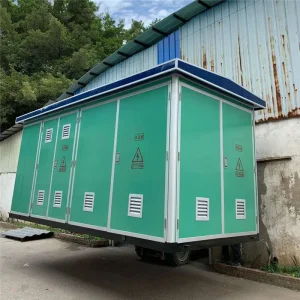
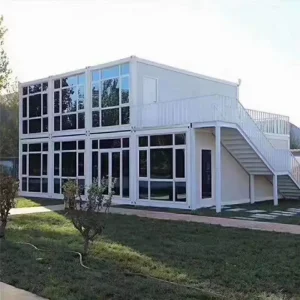
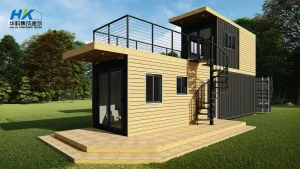
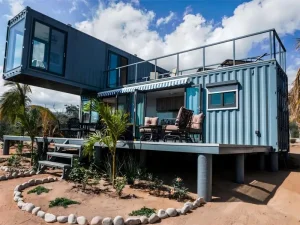
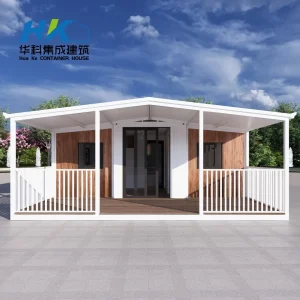
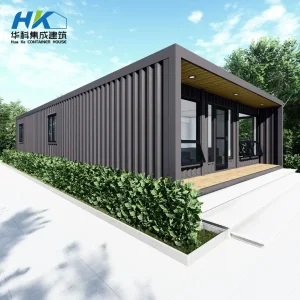
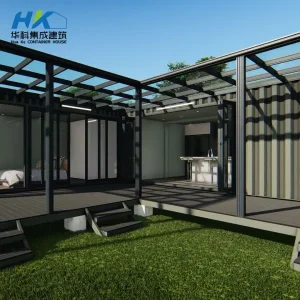
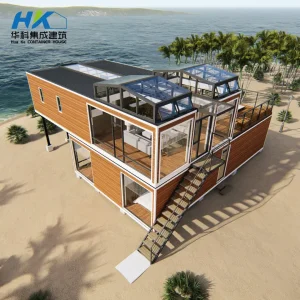
Explore our comprehensive range of prefabricated structures custom-manufactured for New Zealand industrial, commercial, and utility projects.
Addressing engineering specifications, compliance procedures, customization capabilities, and logistics details for project managers.
Our equipment shelters are designed and manufactured using structural engineering calculations aligned with AS/NZS 1170 (Structural design actions for wind and seismic forces) and AS/NZS 3000 (Electrical wiring rules). We provide structural engineering producer statements, material test reports (FRP skin density, PU fire retardancy, steel galvanization thickness), and CAD layouts to assist your local New Zealand chartered engineer (CPEng) in securing Building Consent with local Councils.
New Zealand’s coastal areas experience ISO 12944 C5-M extreme marine corrosion. Standard steel containers, even when painted, are subject to rust around seams, welds, and fasteners within a few years. Fiberglass sandwich panels (FRP) are completely non-metallic on the exterior, impervious to salt spray, rot, and UV degradation. Furthermore, FRP panels feature a continuous thermal break that eliminates moisture condensation on interior equipment walls.
Yes, as a true OEM direct factory, 100% of internal dimensions, equipment rack positions, anti-static raised flooring, Moxa/Roxtec cable transit frames, AC distribution board locations, and HVAC redundant capacities are built precisely to your technical drawings. We pre-install equipment mounting rails and overhead cable trays prior to shipping.
In geothermal zones containing airborne hydrogen sulfide (H2S) and sulfur dioxide gases, copper electrical busbars and AC heat exchanger coils corrode rapidly. For projects in these regions, we supply conformal-coated circuit boards, electro-coated (e-coated) HVAC coils, tin-plated copper busbars, and specialized chemical air filtration scrubbers to ensure long-term equipment stability.
Standard OEM production lead time is 25 to 35 days depending on customization complexity and batch volume. Direct ocean freight transit from our factory loading port to main New Zealand ports (Auckland, Tauranga, Lyttelton) takes approximately 14 to 20 days. Complete door-to-site delivery arrangements can also be facilitated.
Contact our senior technical sales team today for detailed specification sheets, CAD blueprints, and competitive OEM factory direct pricing for your New Zealand projects.
Send Inquiry Now