Factory-direct modular units designed for rapid deployment across Montevideo, interior agricultural departments, and coastal logistics nodes.
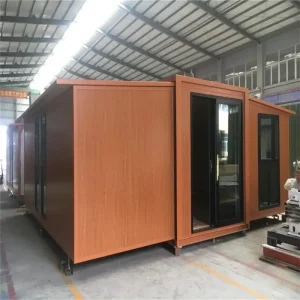
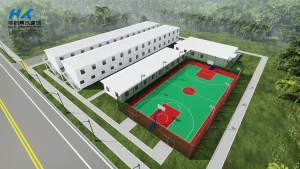
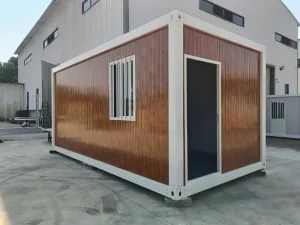
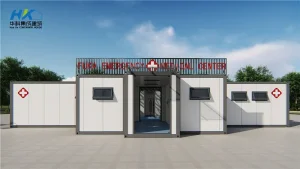
The Oriental Republic of Uruguay represents one of South America's most stable, transparent, and forward-looking economic environments. Situated strategically along the Río de la Plata basin, Uruguay acts as a vital commercial conduit connecting MERCOSUR trade corridors. Over the past decade, national initiatives emphasizing green energy transitions, agro-industrial modernization, pulp production expansions (such as major investments in Fray Bentos and Paso de los Toros), and logistical port expansion in Montevideo have reshaped spatial construction demands.
Traditional brick-and-mortar construction in Uruguay often faces significant bottlenecks, including extended permitting timelines, high labor overheads, and weather-related structural delays caused by intense seasonal rain patterns and high relative humidity. Consequently, EPC contractors, corporate developers, agricultural conglomerates, and public administration entities are shifting heavily toward high-performance, factory-engineered temporary and semi-permanent building solutions.
Global architectural standards must be adapted locally. Prefabricated buildings exported to Uruguay require specific material enhancements to ensure structural durability and occupant comfort.
With extensive coastline along the Atlantic Ocean and Río de la Plata, salt spray acceleration causes rapid oxidation on standard carbon steels. Our factory applies hot-dip galvanization (minimum 120g/m² zinc coating) paired with epoxy primer and polyurethane topcoats, achieving robust C5-M anti-corrosion compliance.
Uruguay frequently experiences the Pampero—strong, sudden cold gusts blowing from the southwest with wind speeds exceeding 120-140 km/h. Our temporary steel frame buildings incorporate secondary diagonal bracing, heavy-gauge corner fittings, and anchor bolt systems calculated for high wind uplift forces.
Seasonal transitions range from humid, hot summers (35°C+) to cold, damp winters (near 0°C). We deploy high-density Polyurethane (PU) and Rockwool core sandwich panels with continuous thermal breaks to prevent condensation, minimize HVAC power consumption, and maintain indoor acoustics.
When procurement managers for major industrial ventures in Salto, Paysandú, or Maldonado evaluate infrastructure options, Total Cost of Ownership (TCO) drives the decision matrix. Direct sourcing from a accredited, high-capacity modular building manufacturer in China provides substantial commercial advantages compared to local sub-assemblers.
The industrial modular construction sector is transitioning rapidly from basic site shelters to intelligent, eco-integrated architectural systems. As Uruguay advances toward carbon-neutral industrial goals, our manufacturing line integrates sustainable engineering concepts directly into every prefabricated modular housing unit exported to South America.
Many agricultural estates and forestry projects in interior departments like Tacuarembó operate at the periphery of the national power grid. Our modern temporary buildings feature factory-integrated structural roof mounts designed to support high-efficiency photovoltaic (PV) arrays, pre-wired conduit channels, and dedicated lithium battery energy storage system (BESS) compartments.
Every modular contract intended for Uruguayan commercial operations undergoes rigorous 3D BIM modeling. This ensures structural structural calculations (structural weight, live load, snow load, wind load) are fully verified before automated factory production. Digital twins allow project engineers in Montevideo to audit structural integrity, electrical routing, and HVAC schematics prior to container ship arrival.
Temporary buildings serving mining exploration, road construction (such as Ruta 5 upgrades), or short-term field camps are built for 100% demountability. Cold-formed galvanized steel members are joined via high-tensile bolt connections rather than destructive field welds. Once a project phase concludes, the structures can be flat-packed, transported, and reassembled at new job sites up to 10–15 times without structural degradation.
Navigating customs clearance at the Port of Montevideo and satisfying national construction oversight bodies requires strict adherence to international material testing standards. Our factory production lines operate under rigorous quality management frameworks aligned with Latin American project needs:
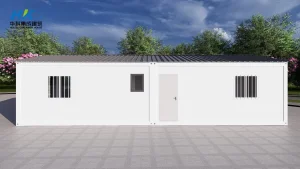
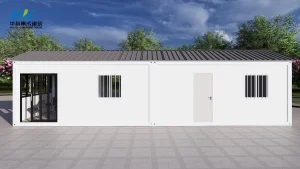
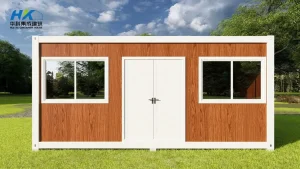
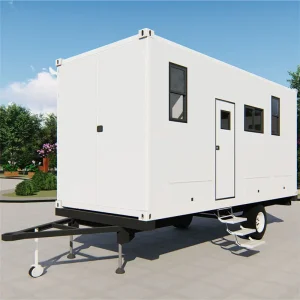
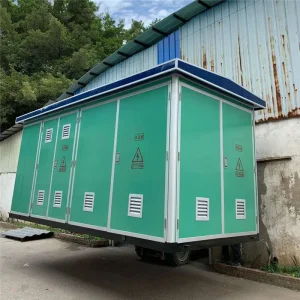
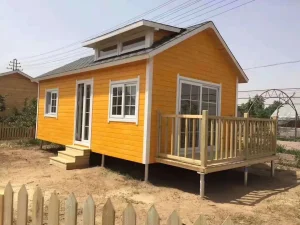
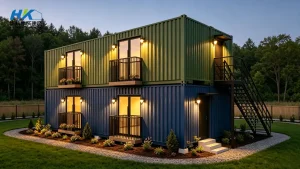
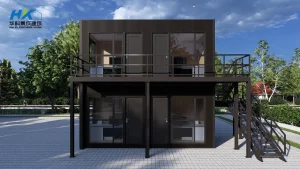
Explore our complete inventory of engineered temporary buildings, worker accommodation camps, equipment shelters, and customized container modifications.
Comprehensive answers regarding logistics, structural customizations, customs processes, and site preparation.
Consult with our senior modular engineering team today. Get factory-direct wholesale pricing, custom structural engineering drawings, and complete logistics planning for your specific site requirements.
Send Inquiry Now