
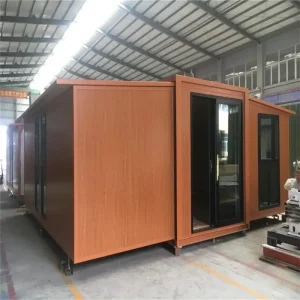
Industrial-Grade Prefabricated Infrastructure, Heavy-Duty Modular Camps, and Climate-Adapted Fast-Deploy Structures Direct from China’s Manufacturing Hub.
Engineered for extreme desert thermal variance, structural longevity, and cost-efficient international logistics to Tangier Med Port.
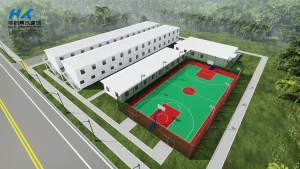
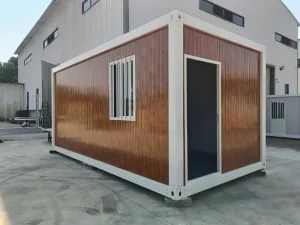
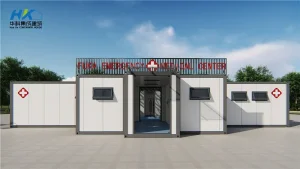
From mega-infrastructure projects along the Casablanca-Tangier corridor to renewable energy expansions in Ouarzazate, temporary structures are pivotal to Morocco’s growth.
The Kingdom of Morocco is undergoing a structural economic transformation. Driven by national strategies such as the Plan Rail Maroc 2040, major renewable energy initiatives (such as the Noor Ouarzazate Solar Complex), and massive civil construction investments preparing for the 2030 FIFA World Cup, the demand for high-performance, fast-deployable, and cost-effective temporary building infrastructure has reached an unprecedented peak.
With Morocco holding over 70% of the world’s phosphate reserves managed by OCP Group, remote extraction sites across Khouribga, Jorf Lasfar, and Gantour require heavy-duty, sandstorm-resistant modular worker camps and administrative centers.
As Morocco expands solar and wind farms in Saharan regions like Laâyoune and Dakhla, project EPC developers need temporary sites equipped with high insulation (R-values > 3.5 m²K/W) to withstand daytime temperatures exceeding 45°C.
Constructing high-speed rail lines, new stadiums (e.g., Grand Stade de Casablanca), and urban transport upgrades requires temporary site offices, dormitories, and security guard posts that can be relocated across project phases.
Conventional concrete construction in Morocco faces severe challenges: long permitting schedules, volatile cement prices, water scarcity in southern provinces, and slow erection times. Prefabricated modular container buildings reduce project setup timelines by up to 70% while utilizing zero water during site assembly—providing a decisive operational advantage for contractors working under tight liquidated damages (LD) contracts.
How our factory customizes steel gauge, thermal barrier layers, and seismic resistance for Moroccan geographic conditions.
Deploying temporary buildings in Morocco demands rigorous micro-climate engineering. The nation presents contrasting environmental conditions: corrosive salt mist along the Atlantic (Casablanca, Agadir, Tangier), extreme diurnal thermal swings and sandstorms in Saharan interiors (Errachidia, Zagora), and seismic activity in the High Atlas region (following lessons learned from the Al Haouz earthquake).
All structural frame members are fabricated using cold-formed Light-Gauge Steel (LGS) or heavy ISO Corten-A steel containers. Main frames undergo a hot-dip galvanization process with a minimum zinc coating of 275 g/m² (Z275), topped with fluorocarbon marine paint to resist atmospheric salinity rated up to C5-M under ISO 12944 standards.
To eliminate thermal bridging in desert climates, we deploy structural insulated sandwich panels with core materials engineered for minimal thermal conductivity:
| Insulation Material | Density (kg/m³) | Thermal Conductivity (W/m·K) | Fire Reaction Class | Best Moroccan Application |
|---|---|---|---|---|
| PIR (Polyisocyanurate) | 40 - 42 | 0.022 - 0.024 | B-s1, d0 (Self-Extinguishing) | Cold chain storage & desert living modules |
| High-Density Rockwool | 100 - 120 | 0.038 - 0.040 | Class A1 (Non-Combustible) | Mining sites, industrial workshops & kitchens |
| Closed-Cell PU Spray Foam | 35 - 38 | 0.021 | B2 Class | Off-grid Luxury Shipping Container Villas |
| EPS (Expanded Polystyrene) | 16 - 20 | 0.039 | B1 Class | Standard labor camps & low-cost site offices |
Following the RPS 2000 (Règlement de Construction Parasismique Marocain) standard, our modular container structures are engineered to handle ground accelerations up to 0.30g (Seismic Zone 4 compliance). Frame connections utilize high-tensile Grade 8.8 structural bolts, providing flexural ductility that outperforms rigid masonry structures during seismic events. Roof structures are rated for wind loads up to 120 km/h (0.6 kN/m²), mitigating risks from desert Sirocco winds.
Leveraging Jiangxi’s industrial eco-system to deliver fully certified, turnkey modular buildings at a fraction of European or local pricing.
By producing raw steel, sandwich panels, doors, and electrical components under one 12,000m² manufacturing plant in Jiangxi, we eliminate multi-tier contractor markups and deliver factory-direct pricing to Moroccan buyers.
Our flat-pack container units are designed so that up to 4 complete units fit into a single 40ft High Cube container (SOC/COC options available). This slashes ocean freight costs per square meter to Moroccan entry ports like Tangier Med, Casablanca, and Agadir.
Every modular unit undergoes pre-assembly testing before loading, including rain-spray tests (checking for zero moisture penetration), circuit insulation checks, and floor load test ratings (up to 2.5 kN/m² live load capability).
Ensuring smooth import clearance, electrical standardization, and rapid on-site assembly across all Moroccan prefectures.
Navigating international modular procurement requires local knowledge. We provide comprehensive documentation packages tailored for Moroccan customs clearance and municipal urban planning approvals (Autorisation de Construire / Permis d'Habiter temporary exemptions):
Expert insights addressing technical, shipping, and customization queries from Moroccan engineering contractors.
Select a structural unit below to request detailed technical drawings, bill of materials, and delivered CIF quotes for Morocco.
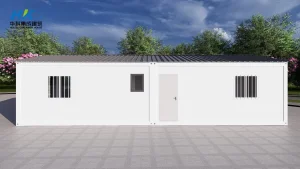
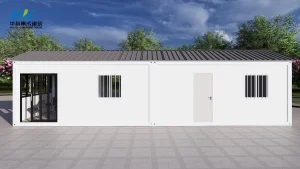
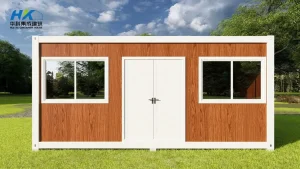
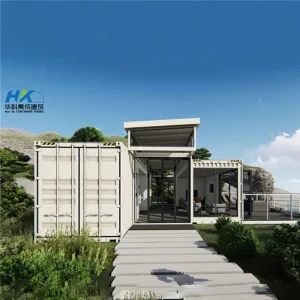
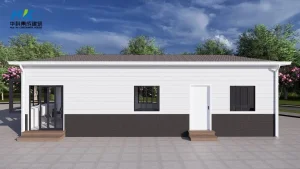
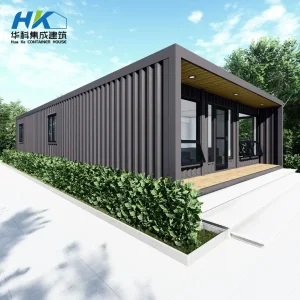
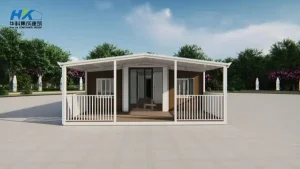
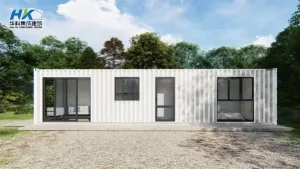
Contact our export engineering desk today. We provide full architectural layouts, structural calculation reports, ocean freight schedules to Tangier Med / Casablanca, and competitive factory-direct pricing.