High-efficiency structural units pre-engineered with PV mounting interfaces, microgrid wiring, and tropical thermal insulation engineered specifically for the Greater Bangkok metropolitan region.
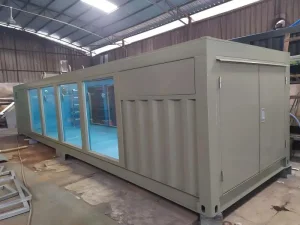
Integrated thermal PV loops and fiberglass modular pool construction engineered for luxury residential and commercial developments in Bangkok.
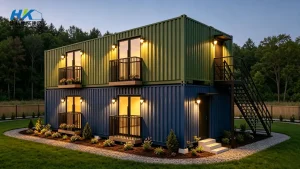
Wholesale modular workforce housing with factory-integrated roof solar panel arrays and heat mitigation for Bangkok industrial zones.
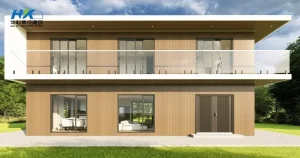
High-end architectural prefabricated residential container villa configured for seamless BIPV rooftop solar panel connectivity.
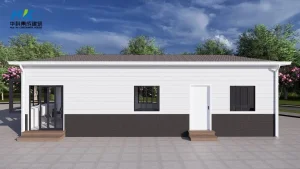
Light gauge steel structure pre-engineered for heavy solar panel load requirements and severe tropical wind resistance.
An in-depth evaluation of Bangkok’s tropical solar irradiance, utility regulatory frameworks (MEA & PEA), and the pressing commercial imperative for onsite industrial photovoltaic generation.
Bangkok, Thailand, situated at 13.7563° N latitude, represents one of Southeast Asia's most intense solar radiation environments. The region receives an average daily global horizontal irradiance (GHI) ranging between 4.8 to 5.4 kWh/m²/day. With ambient temperatures frequently exceeding 38°C, commercial and industrial enterprises operating within the Greater Bangkok Area—spanning Samut Prakan, Pathum Thani, and Nonthaburi—confront massive HVAC electricity loads that directly inflate operational expenditure (OpEx).
Interconnecting solar panel arrays into Bangkok's metropolitan grid requires strict compliance with two distinct state utility authorities:
How the global solar industry's rapid transition from legacy P-Type PERC to N-Type TOPCon and Heterojunction (HJT) architectures is reshaping power density, temperature coefficients, and system economics.
Tunnel Oxide Passivated Contact (TOPCon) technology has become the gold standard for high-temperature tropical environments like Bangkok, delivering module efficiencies exceeding 22.5% and a reduced temperature coefficient of -0.30%/°C.
Dual-glass bifacial modules capture rear-side albedo radiation reflected from industrial white membrane roofs or water surfaces (floating PV), increasing total energy yield by 10% to 25% compared to monofacial panels.
N-type substrate solar cells completely eliminate Light Induced Degradation (LID) and Potential Induced Degradation (PID), guaranteeing less than 0.4% annual performance attenuation over a 30-year operational lifecycle.
The global construction sector is shifting away from retrofitted rooftop solar toward fully integrated Building-Integrated Photovoltaics (BIPV) and factory-preassembled solar modular containers. By embedding ultra-lightweight, glass-glass solar panels directly into steel building envelopes during factory production, engineering teams eliminate duplicate racking costs, optimize structural dead load, and accelerate site commissioning in urban centers like Bangkok.
Analyzing the structural economics, vertically integrated manufacturing ecosystems, and quality control paradigms that make Chinese solar module and modular structural exports unbeatable globally.
China commands over 80% of the global solar PV manufacturing chain—from polysilicon purification and ingot pulling to wafer slicing, cell diffusion, and automated module encapsulation. This absolute cluster concentration translates into significant capital expenditure (CapEx) savings for international procurement officers in Thailand and beyond.
By manufacturing raw steel structures, sandwich thermal insulation, and photovoltaic electrical assemblies within centralized industrial hubs like Jiangxi, transportation friction and intermediate supplier markups are eliminated. The resultant cost-per-watt ($/W) efficiency allows Bangkok buyers to deploy commercial-grade solar systems at fractional costs compared to localized procurement.
Modern Chinese module production facilities employ automated Electroluminescence (EL) double-testing to detect micro-cracks prior to laminating. Combined with high-precision laser scribing and multi-busbar (MBB) soldering, modules exhibit exceptional resilience against transport vibration during oceanic freight to the Port of Bangkok (Klong Toey).
From industrial park logistics centers to luxury eco-resorts along the Chao Phraya basin, customized solar panel products and modular structures solve unique urban energy challenges.
Manufacturing plants in Bang Chalong and Bang Po-o utilize high-wattage (550Wp–700Wp) N-type TOPCon panels mounted on lightweight steel frame structures to offset daytime chiller grid demand.
Industrial estates with retention ponds integrate specialized IP68 anti-corrosion glass-glass bifacial panels on floating pontoons, leveraging water cooling to increase energy output by 12%.
Remote construction sites, agricultural research stations, and eco-resorts utilize pre-wired container homes integrated with lithium iron phosphate (LiFePO4) BESS for 24/7 power autonomy.
Essential technical verification protocols for B2B buyers, EPC contractors, and project developers importing solar panels and modular buildings into Thailand.
Procuring solar infrastructure across international borders requires stringent verification of electrical safety, mechanical durability, and warranty backstopping. International EPC buyers must enforce compliance with the following international standards:
Our technical engineering team provides custom structural calculations, solar sizing, and logistics planning for Bangkok and international destinations.
Send Inquiry NowExplore our full line of factory-built prefabricated modules, modified containers, and specialized equipment housing units designed for seamless clean energy integration.
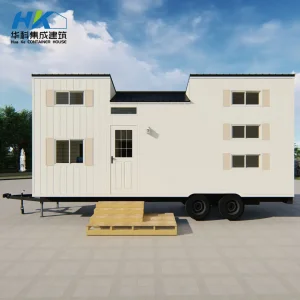
Mobile nature trailer home featuring roof-integrated solar arrays and battery storage for Thailand eco-tourism ventures.
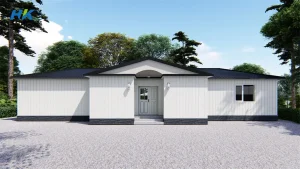
Modern design prefabricated residential dwelling engineered for rapid rooftop solar panel deployment and grid tie-in.
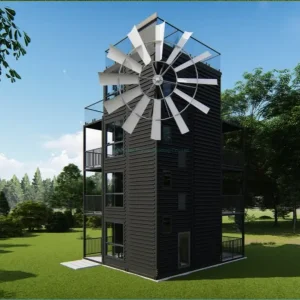
Sustainable modular housing communities featuring centralized microgrids and high-performance solar panel configurations.
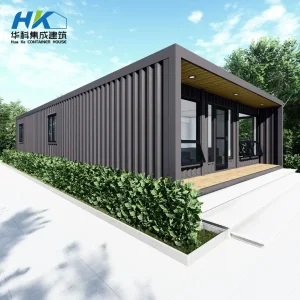
Large-scale 3*40ft modified container facility providing massive roof surface area for maximum solar panel power generation.
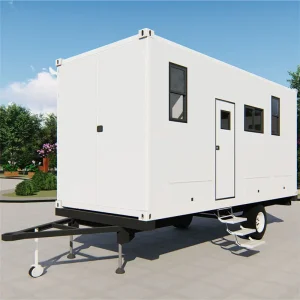
Lightweight fiberglass mobile unit optimized for low auxiliary power draw and portable solar collector connectivity.
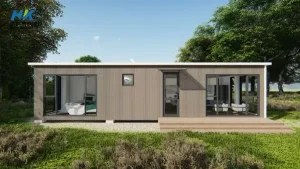
Premium 3X40FT luxury modified container residence complete with high-R-value thermal insulation and solar array pre-wiring.
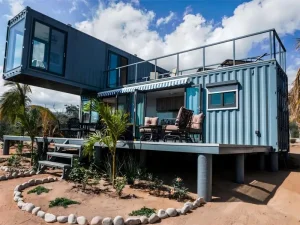
Stackable two-story modular container housing solution for urban commercial or residential solar installations in Thailand.
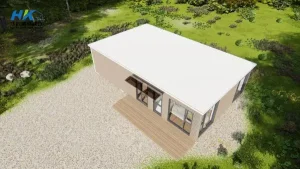
Turnkey 2-bedroom, 1-bathroom luxury prefabricated home equipped with solar-ready distribution panels and efficient inverter circuits.
Addressing critical technical, regulatory, and financial questions regarding solar panel procurement and solar-integrated modular structures in Thailand.
Contact our clean energy engineering specialists for direct factory quotes, technical drawings, and custom microgrid system designs.
Send Inquiry Now