Engineered for high structural snow load resistance, extreme thermal cycling (-35°C to +40°C), and off-grid reliability across Moscow Oblast.
Operating photovoltaic (PV) systems in Moscow and the broader Central Federal District of Russia poses distinct engineering hurdles. Positioned at approximately 55.75° N latitude, Moscow experiences heavy annual snowloads, low solar inclination angles during winter months, extended sub-zero temperature cycles reaching -35°C, and significant diffuse sunlight conditions. Standard commercial PV arrays designed for temperate zones frequently suffer from micro-cracking, anti-reflective coating degradation, bypass diode failures, and massive performance drops under heavy snow cover.
As a specialized OEM manufacturing partner and direct solar panel factory supplier serving Eurasian industrial sectors, Jiangxi HK Prefab Building Co., Ltd. delivers high-efficiency N-Type TOPCon (Tunnel Oxide Passivated Contact) and HJT (Heterojunction Technology) solar modules specifically adapted for northern latitude resilience. By combining advanced glass-glass encapsulation, anti-soiling hydrophobic coatings, and reinforced 45mm anodized aluminum framing rated for 5,400 Pa snow loads, our solar arrays ensure maximum kilowatt-hour (kWh) yield per watt installed even under cold, overcast Moscow winter skies.
Moscow’s industrial and commercial real estate footprint has expanded rapidly along the Moscow Ring Road (MKAD), the Central Ring Road (A107/A108), and high-tech manufacturing parks such as Technopolis Moscow in Zelenograd. Energy security, grid peak-shaving, and corporate decarbonization goals have accelerated demand for localized solar generation. However, deploying photovoltaic assets in Moscow demands hyper-specific climatic engineering:
Field data from cold-climate installations indicates that bifacial TOPCon modules installed over snow cover in Moscow achieve peak winter bifaciality gain exceeding 25%. When coupled with steep tilt racking (50°+), snow sheds automatically within hours of sunrise, initiating early power generation.
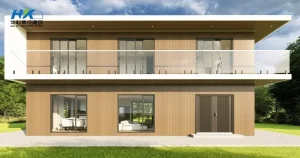
Architectural engineering details designed into our factory production lines for cold-climate export.
N-Type TOPCon technology completely eliminates Light-Induced Degradation (LID) and LeTID. Delivering up to 22.8% module efficiency, these cells maintain superior performance under low-irradiance ambient conditions typical during Moscow's overcast winter days.
Standard EVA encapsulation becomes brittle at sub-zero conditions, admitting micro-moisture ingress. We utilize Polyolefin Elastomer (POE) dual-layer encapsulation, preserving structural elasticity and dielectric breakdown resistance down to -50°C environments.
Extruded 45mm anodized aluminum frames with double-wall corner locking keys withstand static front-side snow pressure up to 5,400 Pascals and wind loads up to 2,400 Pascals, easily meeting Moscow building safety codes (SNiP / SP 20.13330).
| Technical Parameter | Standard Temperate PV Panel | Moscow Sub-Zero TOPCon Module (HK Factory) |
|---|---|---|
| Cell Technology | P-Type PERC Mono | N-Type TOPCon / HJT Heterojunction |
| Module Efficiency | 20.1% - 20.8% | 22.5% - 23.2% |
| Temperature Coefficient (Pmax) | -0.35% / °C | -0.30% / °C (High voltage stability in winter) |
| Front Snow Load Mechanical Rating | 2,400 Pa | 5,400 Pa - 7,200 Pa Reinforced |
| Glass Encapsulation | 3.2mm Single Tempered Glass | 2.0mm + 2.0mm Dual Heat-Strengthened Glass |
| Low Irradiance Performance (200W/m²) | ~91.5% relative efficiency | ~97.2% relative efficiency |
| Operating Ambient Temperature | -20°C to +85°C | -40°C to +85°C (Tested down to -50°C) |
| Certification Standards | IEC 61215 / CE | EAC (Eurasian Conformity), GOST-R, IEC 61730 |
Procuring solar hardware for projects in Moscow requires seamless international logistics and strict adherence to Eurasian Customs Union regulations. HK Prefab operates a turnkey international delivery workflow designed to eliminate import friction for Russian engineering, procurement, and construction (EPC) contractors:
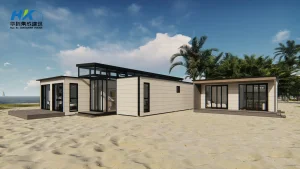
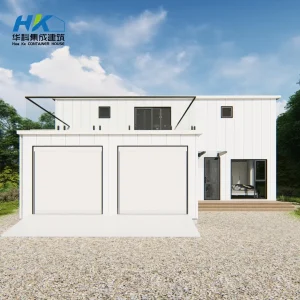
Real-world integration models for commercial real estate, industrial infrastructure, and off-grid remote developments.
Industrial warehousing complexes along Moscow’s logistics rings feature expansive flat roof structures. Installing high-power 580W+ N-Type TOPCon bifacial panels with lightweight ballasted racking delivers self-consumption power, offsetting grid tariff spikes during industrial peak hours.
For remote infrastructure projects, gas extraction sites, and temporary worker camps in Moscow Oblast and northern Siberian regions, containerized hybrid solar microgrids provide reliable baseline electricity, reducing expensive diesel generator fuel logistics by up to 70%.
Modern commercial office towers and municipal modular facilities in Moscow leverage vertical facade glass-glass BIPV panels. Vertical orientation eliminates snow build-up entirely while harvesting low-horizon winter sunlight efficiently.
Direct technical answers for Moscow energy managers, EPC contractors, and modular building buyers.
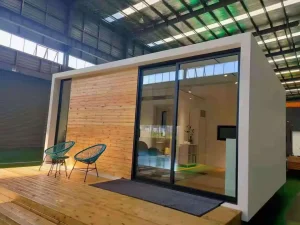
Explore our full catalogue of solar-ready container houses, medical units, and steel frame buildings engineered for export.