Specially engineered modular container structures tailored for rapid deployment across Chittagong, Dhaka Economic Zones, and regional infrastructure developments. Factory-directCortene steel structures featuring tropicalized heat insulation and high structural resilience.
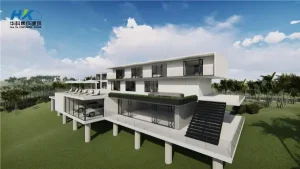
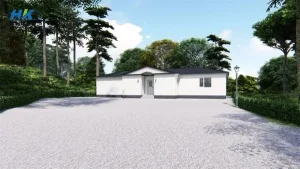
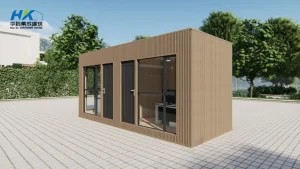
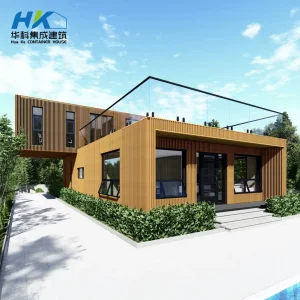
Bangladesh stands at a critical juncture of infrastructure modernization and industrial expansion. As one of South Asia’s fastest-growing economies—driven by the Ready-Made Garment (RMG) sector, mega infrastructure projects like the Padma Multipurpose Bridge and Karnaphuli Tunnel, and expanding Special Economic Zones (BEZA)—the demand for rapid, durable, and cost-effective civil infrastructure has never been higher. However, traditional brick-and-mortar construction in Bangladesh faces severe structural, environmental, and financial bottlenecks.
The majority of Bangladesh lies on the Bengal Delta, characterized by heavy alluvial silt and low soil bearing capacity. Traditional heavy masonry requires deep foundation piling, inflating civil engineering budgets by up to 40%. Modified ISO container homes offer light dead-weight structural framing, drastically reducing foundation load requirements.
Coastal belts like Chittagong, Barisal, and Cox's Bazar present extreme marine salinity (C5-M atmospheric corrosive environments) alongside monsoon rainfall exceeding 3,000mm annually. High-grade Corten steel shipping container structures coated with epoxy-polyurethane marine systems provide unrivaled lifespan guarantees compared to porous concrete.
With government restrictions tightening around topsoil degradation caused by traditional brick kilns, red brick availability is decreasing while prices fluctuate. Modular prefabricated container houses eliminate local brick dependence and accelerate project handovers by up to 70%.
By importing factory-tested, precision-engineered shipping container modular units from specialized Chinese suppliers like Jiangxi HK Prefab Building Co., Ltd., Bangladeshi developers, government contractors, and commercial enterprises can bypass unpredictable local material shortages and achieve international building code compliance effortlessly.
Standard converted shipping containers are prone to condensation ("container rain") and excessive thermal gain if imported without regional engineering modifications. HK Prefab's technical design team integrates specialized material matrices engineered specifically for Bangladesh's humid subtropical climate (Köppen Cwa/Aw).
| Engineering Parameter | Traditional Concrete / Brick | Standard Steel Container | HK Prefab Customized Container (Bangladesh Spec) |
|---|---|---|---|
| Structural Integrity | Heavy masonry prone to seismic micro-cracks | Corrugated structural steel | SPA-H Corten Anti-Corrosive Steel Frame (ISO 1496 Certified) |
| Thermal Performance | High thermal mass (retains heat at night) | Poor (Uninsulated steel transfers 90% heat) | PU/Rockwool Sandwich Core + Polyurethane Spray Foam Insulation (R-Value > 22) |
| Corrosion Resistance | Rebar rusts due to chloride penetration | Standard industrial enamel paint | Zinc-rich epoxy primer + Fluorocarbon Marine Topcoat (Resists 100% Saline Fog) |
| Disaster Mobility | Zero mobility (Permanent site bound) | Requires crane lifting | Integrated corner fittings, multi-stackable (3-storey), standard flat-pack ocean freight |
| Construction Cycle | 8 - 14 Months | 1 - 2 Months | 10 - 15 Days (Factory Prefab) + 3 Days (On-site Assembly) |
In cyclone-prone zones such as Khulna, Satkhira, and Chittagong Hill Tracts, container structures are subjected to lateral wind loads up to 2.5 kPa. HK Prefab reinforces container roof trusses using high-strength light-gauge steel (LGS) framing and heavy-duty corner lock casts.
To eliminate condensation inside the wall cavities during humid monsoon months (85%+ relative humidity), our factory incorporates continuous vapor barrier membranes alongside double-glazed tempered glass windows with thermally broken aluminum profiles.
Modular shipping container architectures are rapidly disrupting key growth sectors within Bangladesh. Below are verified implementation pathways:
With major garment industrial zones in Gazipur, Ashulia, and Narayanganj requiring clean, scalable, fire-rated housing solutions for workforce management, multi-story container accommodation blocks deliver rapid capacity expanding without long zoning delays.
In ecologically sensitive zones like Saint Martin's Island and Cox's Bazar, conventional concrete construction is strictly regulated. High-end modified container villas allow resort operators to build luxury glamping units with zero footprint impact.
Major mega-projects (such as the Matarbari Power Plant and Dhaka Metro Rail extensions) utilize 20ft and 40ft modified container site offices, command centers, and portable testing labs that can be relocated instantly as project phases move.
Bangladeshi telecom providers deploy specialized steel equipment shelters in flood-prone riverine islands (Chars) to house sensitive electronics, generators, and solar inverter banks safely above peak flood levels.
China commands over 90% of global intermodal container production and prefabricated modular structural manufacturing. Sourcing direct from Jiangxi HK Prefab Building Co., Ltd. unlocks unbeatable economic and technical advantages for Bangladeshi importers:
Operating out of Shangrao, Jiangxi, HK Prefab manages two modern fabrication workshops equipped with CNC plasma cutting, automated robotic welding, and specialized surface sandblasting lines, maintaining structural tolerance under ±0.5mm.
Our export logistics division coordinates sea freight directly from Ningbo, Shanghai, or Xiamen ports to Chittagong (Chattogram) Port and Mongla Port, offering streamlined SOC (Shipper Owned Container) shipping options that lower ocean freight fees.
Every modular container unit undergoes complete factory pre-assembly, water spray tightness testing (simulating heavy monsoon downpours), and electrical insulation verification before being flat-packed or loaded as SOC units.
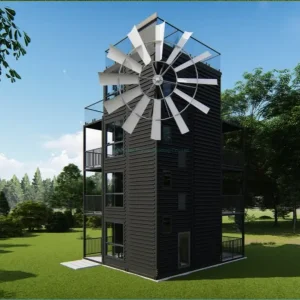
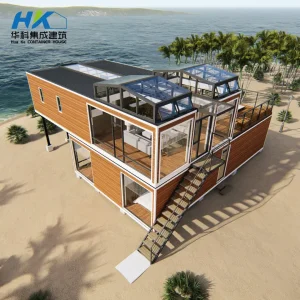
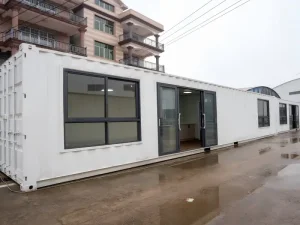
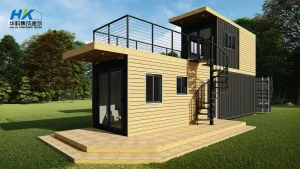
Browse our extended lineup of container homes, expandable tiny houses, site accommodation modules, and commercial units designed for immediate export.
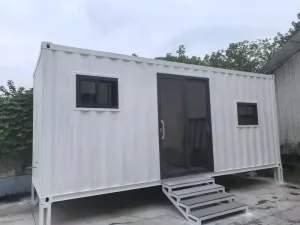
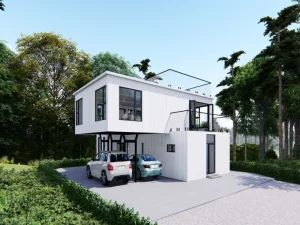
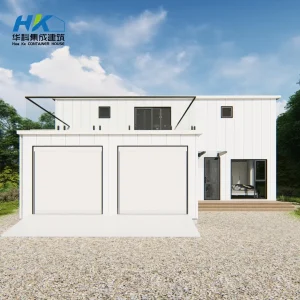
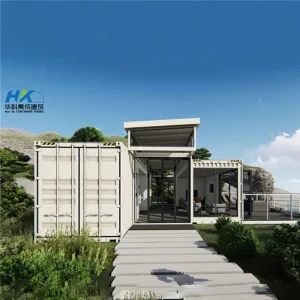
Navigating customs clearance and civil engineering compliance in Bangladesh requires exact documentation and adherence to local standards. Below is the strategic roadmap established by HK Prefab for Bangladeshi buyers:
Container buildings imported into Bangladesh are classified under HS Code 9406.90.10 / 9406.90.90 (Prefabricated Buildings of Steel). HK Prefab assists buyers with detailed Certificate of Origin (Form E), Commercial Invoices, and Packing Lists to optimize import duty clearance at Chittagong Custom House.
Structural calculations supplied by HK Prefab align with BNBC 2020 parameters for seismic Zone 1, 2, and 3 wind load standards. Our engineering team provides structural CAD schematics to facilitate local Rajdhani Unnayan Kartripakkha (RAJUK) or CDA approvals.
For installation on low-lying delta terrain, we recommend simple concrete strip footings or screw-pile foundations. Because container modules exhibit monolithic structural rigidity, expensive continuous raft slabs are generally unnecessary.
Expert answers to technical, commercial, and logistical questions commonly raised by Bangladeshi developers and project managers.
Partner with China's leading prefabricated container manufacturer. Get factory-direct wholesale pricing, structural engineering CADs, and full export support tailored for the Bangladesh market.