High-capacity structural container designs optimized for rapid delivery and installation across the Valley of Mexico.
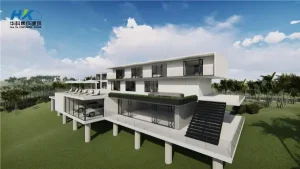
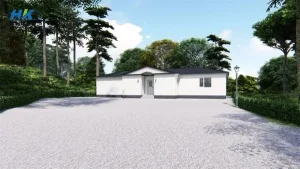
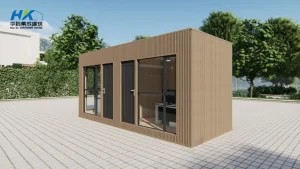
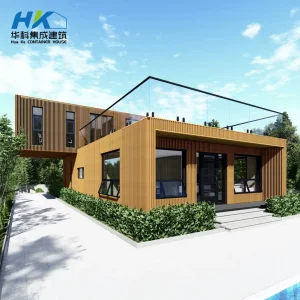
Deploying modular container architecture in Mexico City (CDMX) presents distinct structural engineering challenges. The capital city sits on the historic lakebed of Lake Texcoco, characterized by soft, highly compressible clay subsoils in Zone III (Lacustrine Zone). Coupled with high seismic vulnerability along the Pacific subduction zone, traditional unreinforced masonry construction often suffers severe structural degradation during seismic events.
Converted ISO shipping container homes fabricated from high-tensile Corten-A steel offer an inherent structural advantage. Functioning as rigid, monocoque structural boxes, modified container houses distribute lateral seismic loads efficiently. When anchored to engineered raft foundations or deep micropiles, steel container buildings accommodate soil subsidence while maintaining structural integrity, complying fully with the Reglamento de Construcciones para el Distrito Federal (RCDF).
Additionally, sitting at an altitude of approximately 2,240 meters (7,350 feet), Mexico City experiences significant diurnal temperature variations and intense ultraviolet radiation. HK Prefab engineers structural envelopes with continuous exterior insulation layers (Closed-Cell Polyurethane spray foam and high-density Rockwool) to eliminate thermal bridging, preventing solar heat gain during daytime peak solar radiation while retaining interior warmth during cold alpine nights.
Corrugated Corten steel frames handle lateral shear forces up to 0.8g ground acceleration, providing unmatched seismic safety over traditional brick structures in CDMX Zone III.
Engineered envelope systems with R-values exceeding R-25 prevent thermal transference caused by CDMX’s 2,240m elevation solar intensity and temperature swings.
How the T-MEC / USMCA trade corridor and rising urban land costs drive demand for modular container construction across the Mexico City Metropolitan Area (ZVM).
With massive nearshoring investments flooding logistics hubs like Cuautitlán Izcalli, Tepotzotlán, and Toluca, rapid-deployment modular container housing provides immediate accommodation for site managers and engineering staff.
In high-density CDMX neighborhoods like Roma Norte, Condesa, and Juárez, modular container additions allow landowners to unlock underutilized vertical air rights without overloading existing brick structures.
Commercial developers utilize modified 20ft and 40ft containers to launch eco-friendly food parks, coffee shops, and boutique pop-up hubs in Polanco and Santa Fe with minimal entitlement downtime.
Eliminate middleman markups, guarantee structural precision, and streamline ocean logistics from our 12,000 m² manufacturing plant in China to the Port of Manzanillo or Veracruz.
At Jiangxi HK Prefab Building Co., Ltd., container modifications undergo rigorous automated laser cutting, robotic welding, and anti-corrosion marine-grade painting. Unlike local retrofits using scrap units, our structural containers use fresh SPA-H Corten atmospheric corrosion-resistant steel, providing a service lifespan exceeding 30 years in humid or high-altitude environments.
Our internal quality control systems follow strict international standards. Electrical conduits, plumbing manifolds, and structural cutouts are pre-engineered to match Mexican NOM (Normas Oficiales Mexicanas) standards, allowing seamless MEP hookups upon arrival on site in Mexico City.
Logistics to landlocked Mexico City requires experienced freight planning. We ship modified container homes via ocean freight from major Chinese ports directly to the Port of Manzanillo (Colima) or the Port of Veracruz.
From port customs, units are transferred onto specialized low-boy flatbed trailers for direct highway transport into CDMX or surrounding Estado de México industrial zones, arriving complete with assembly hardware, lifting lugs, and turnkey installation drawings.
Evaluate the structural, thermal, and cost parameters of HK Prefab building systems to match your project requirements.
| Building System Type | Structural Composition | Thermal Insulation Grade | Seismic Resistance (CDMX Zone III) | Lead Time & Installation | Best Application in Mexico |
|---|---|---|---|---|---|
| Modified ISO Shipping Container | SPA-H Corten Steel Monocoque Shell | Closed-Cell Spray Foam / PU Panels (R-20 to R-30) | Very High (Flexible steel frame absorbs lateral loads) | Factory Pre-built; 1-2 days site positioning | Permanent Luxury Homes, Urban Infill, Boutique Cafés |
| Flat Pack Container Unit | Galvanized Cold-Formed Steel Frame | 50mm-100mm Rockwool / EPS Sandwich Panels | High (Bolted modular frame elasticity) | Ships flat (4 units in 1 HQ); 3 workers assemble 1 unit/day | Worker Camps, Temporary Offices, Mining Shelters |
| Light Gauge Steel (LGS) Villa | C-Channel Cold-Formed Galvanized Profile | Multi-layer OSB + Rockwool + Cladding Envelope | High (Distributed lightweight load profile) | CKD Kit delivery; 2-4 weeks onsite assembly | Suburban Multi-Story Villas, Eco-Resorts, Schools |
| Expandable Tiny House Unit | Hinged Steel Chassis & Folding Panels | Integrated PU Insulated Composite Panels | Moderate to High (Anchored pad foundation) | Unfolds in 30 minutes; Instant setup | Glamping Sites (Valle de Bravo), Disaster Relief |
Customized modular solutions engineered for diverse land-use models in CDMX, Edomex, and neighboring eco-zones.
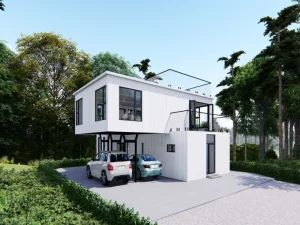
Configured using multi-container stacks (20ft + 40ft HC combinations) in residential zones like Álvaro Obregón, Coyoacán, and Cuajimalpa. Integrated cantilevered balconies, floor-to-ceiling double-glazed low-E windows, and green rooftop gardens deliver eco-friendly luxury living on challenging slopes.
Deployable site offices and executive housing modules located inside industrial logistics parks along the Querétaro-Mexico City trade corridor. Rapid assembly allows multinational manufacturing tenants to establish operational headquarters months ahead of traditional brick construction timelines.
Off-grid container cabins customized with rainwater harvesting tanks, greywater treatment filtration, and integrated roof solar PV arrays. Perfect for tourist destinations surrounding CDMX such as Valle de Bravo, Malinalco, and the Teotihuacan eco-tourism belt.
From custom structural design engineering to seamless customs clearance in Mexico, our end-to-end process guarantees total transparency.
Submit site dimensions, climate goals, and layout requirements. Our engineering department generates detailed 3D BIM models and architectural CAD schematics tailored for local permit submissions.
Finalize material choices including insulation type, electrical standards (110V/220V 60Hz), interior wall finishes (bamboo charcoal fiber or drywall), and exterior architectural cladding panels.
Steel structural welding, surface anti-rust treatment, insulation spraying, and utility rough-ins are performed in our workshop under strict ISO 9001 quality supervision, with full video reporting.
Units are packed securely, equipped with corner castings and lifting points, and loaded onto ocean vessels bound for Manzanillo or Veracruz, accompanied by complete commercial invoice and Bill of Lading documentation.
Your local customs broker (Agente Aduanal) processes import duties (Pedimento). Trucks haul container modules directly to your land parcel in Mexico City or surrounding municipalities.
Using a mobile truck crane, modules are set onto foundation piers, bolted, waterproofed at joint connections, and connected to main municipal water, electricity, and sewage lines.
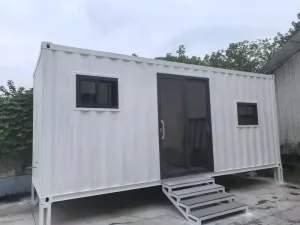
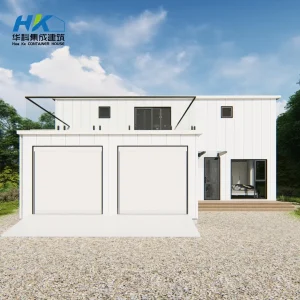
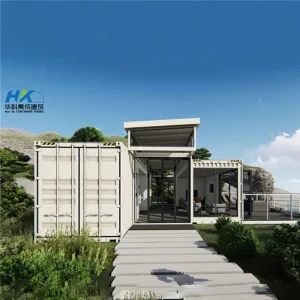
Explore our full line of commercial, residential, and eco-friendly modular structures manufactured for direct import to Mexico City.
In-depth technical and logistical answers regarding importing and installing container homes in Mexico City.
Contact HK Prefab’s direct engineering export office today. Receive technical architectural consultations, structural load calculations, and a complete door-to-port freight quotation within 24 hours.