Precision-manufactured structural container units optimized for rapid deployment and German structural compliance.
Analyzing the strategic convergence of maritime logistics, urban densification, and GEG thermal standards in Northern Germany.
Hamburg, home to Europe's third-largest port (Hafen Hamburg), faces an intense convergence of industrial expansion and municipal housing demand. Districts like HafenCity, Wilhelmsburg, and Harburg require rapid, flexible, and sustainable architectural interventions. Traditional masonry and concrete construction in Hamburg are bottlenecked by skilled labor shortages, extended permitting cycles, and high material costs.
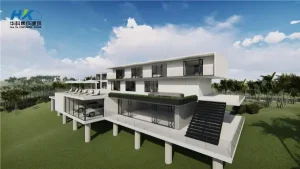
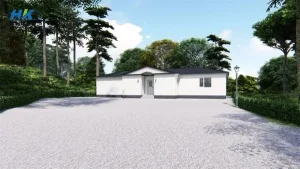
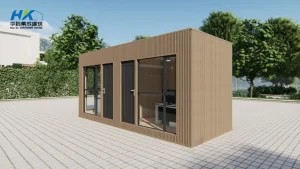
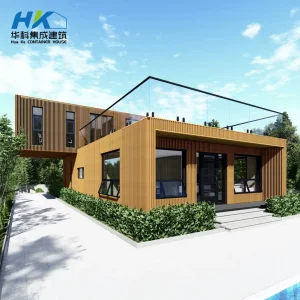
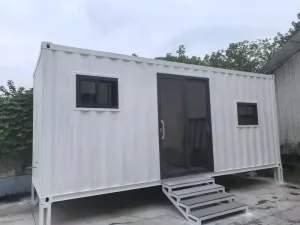
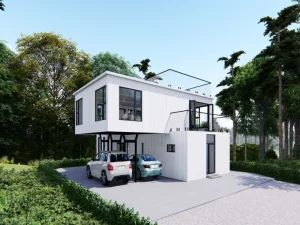
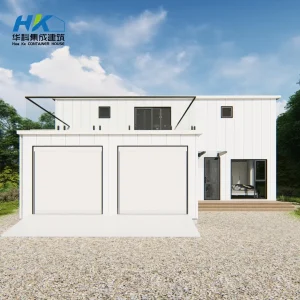
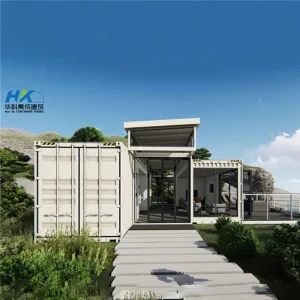
OEM shipping container houses provide a structural answer to these challenges. By repurposing ISO structural Corten steel chassis or utilizing light-gauge steel frameworks engineered in controlled off-site environments, developers can deploy multi-story residential housing, port administrative offices, pop-up commercial hubs, and student dormitories in a fraction of traditional timelines.
Deploying prefabricated structures in Germany demands uncompromising compliance with local statutory codes. OEM container structures imported into Hamburg must align with the Building Energy Act (Gebäudeenergiegesetz - GEG 2024), demanding exceptional U-values for external walls (U ≤ 0.24 W/m²K) and roofing (U ≤ 0.20 W/m²K).
Our OEM manufacturing frameworks incorporate high-density polyurethane (PUR/PIR) continuous spray insulation, hydrophobic stone wool barriers, and multi-chamber thermal breaks. Structural integrity complies with DIN EN 1090-2 (Execution of steel structures) and Eurocode 3, ensuring long-term resistance to coastal wind loads (Wind Zone 3 and 4 in Northern Germany) and marine C5-M atmospheric corrosion.
Quantitative benchmarks delivering competitive advantages for European project procurers.
Optimizing procurement workflows from factory-direct fabrication to Hamburg Altenwerder & Tollerort Container Terminals.
Procuring modular assets from overseas manufacturers requires a granular understanding of supply chain logistics, customs clearance, and precision site installation. When importing through the Port of Hamburg, global buyers leverage freight cost optimization by using standardized 20ft and 40ft High Cube (HC) ISO ocean containers as both the shipping vessel and the structural core itself.
By coordinating direct maritime routes from manufacturing facilities to Hamburg's terminal gates, transport overheads are minimized. Modular units ship under standard COC (Container Owner's Code) status or SOC (Shipper Owned Container) clearance, bypassing expensive specialized break-bulk freight rates.
From floor plan layouts to pre-installed HVAC systems, MEP (Mechanical, Electrical, Plumbing) conduits are factory-integrated to match VDE electrical standards and DIN 1988 German plumbing codes. This eliminates up to 80% of secondary interior fit-out time upon site arrival.
Fixed OEM factory quotes prevent unpredictable cost overruns typical of traditional European job-sites. Standardized ISO lifting corner castings allow seamless handling by local Hamburg cranes and transport vehicles without requiring specialized heavy-lift machinery.
| Specification Feature | Standard Modified ISO Container | Light Steel Flat-Pack Unit | OEM High-End Luxury Villa |
|---|---|---|---|
| Primary Structure | SPA-H Corten Anti-Corrosive Steel | Hot-Dip Galvanized Q235B Steel Profile | Dual-Ring Heavy Heavy Steel + LGS Framing |
| Insulation Material | PIR / PU Continuous Spray (75-100mm) | Rock Wool / EPS Sandwich Panel (50-75mm) | Vacuum Insulation Panels (VIP) + Polyurethane |
| Wind Resistance | Category 12 (Up to 120 km/h) | Category 10 (Up to 100 km/h) | Category 14 High-Grade Coastal Specification |
| German Energy Standard | GEG Ready / EnEV Compliant | Temporary / Site Building Standard | Passivhaus / KfW Efficiency House 40 Standard |
| Lifespan Expectancy | 35+ Years (C5-M Coating System) | 15-20 Years | 50+ Years (Permanent Structural Approval) |
Innovating circular economy building solutions for the North Sea climate and zero-carbon targets.
Our OEM manufacturing pipeline is rapidly migrating to fully integrated BIM (Building Information Modeling) workflows. Every container module is delivered with a complete digital twin dataset, detailing structural stresses, material compositions, and embedded thermal profiles. Hamburg architectural teams can import these models directly into Revit or ArchiCAD to streamline municipal building permit approvals (Bauantrag).
To align with Hamburg’s master plan for carbon neutrality by 2045, modern container homes are engineered for immediate integration with Building-Applied Photovoltaics (BAPV). Monocrystalline solar arrays mounted onto modified container roof systems, coupled with 30 kWh battery energy storage systems (BESS), deliver self-sufficient power ideal for temporary port structures, off-grid eco-resorts, and residential infill project sites.
Explore full customization options, factory pricing lists, and structural configurations.
Addressing engineering, legal, logistics, and thermal efficiency questions for German and European buyers.
Our OEM modified container houses integrate continuous spray polyurethane (PU/PIR) insulation or high-density rock wool linings within thermal-break sub-frames. By eliminating steel-to-interior thermal bridging, wall insulation achieves U-values down to 0.18 W/m²K, satisfying residential heating efficiency rules for Northern Germany's climate zones.
Containers are constructed using SPA-H Corten steel, inherently resistant to atmospheric corrosion. Steel surfaces undergo abrasive blast cleaning to ISO 8501-1 SA 2.5 standards and receive a C5-M high-durability epoxy primer and polyurethane coating system designed specifically for North Sea offshore environments.
Transit times from our manufacturing port to Hamburg Container Terminals (CTA/CTT) typically take between 28 and 35 days. Units are shipped as certified ISO cargo containers (with valid CSC plates) or flat-packed SOC kits, enabling immediate discharge via standard port gantry cranes without requiring break-bulk surcharges.
Yes. Every OEM project is supported with complete structural engineering calculations compliant with Eurocode 3 (EN 1993), BIM 3D STEP/DWG files, electrical schematic diagrams meeting VDE standards, and material fire certification in according to DIN EN 13501-1.
Depending on soil conditions in the Hamburg regional area (clay or alluvial soil near the Elbe River), structures can be anchored to concrete strip foundations, point footing pads, or helical screw piles. Ground foundation work is minimal because structural loads are concentrated at the four ISO container corner castings.
Direct OEM manufacturing delivers direct cost savings of approximately 35% to 50% compared to traditional on-site masonry in Germany. Savings are realized through centralized automated steel fabrication, bulk purchasing of ISO components, and drastically reduced on-site installation labor hours.
Partner with a trusted manufacturer to engineer custom, compliant container buildings delivered directly to Hamburg or your global job site.
Send Inquiry Now