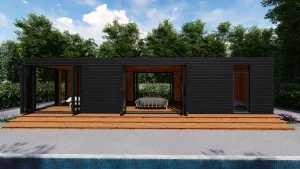
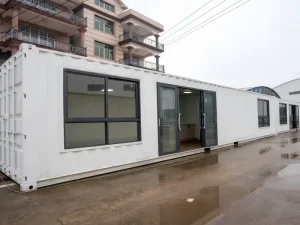
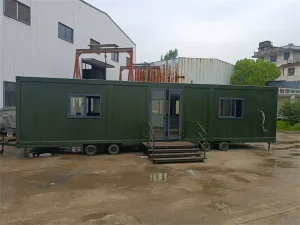
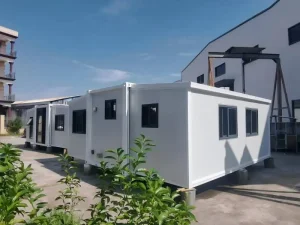
Pre-integrated, high-durability modular cabins manufactured under ISO 9001 quality frameworks, optimized for Malakal Port freight routing and rapid plug-and-play installation in Koror.
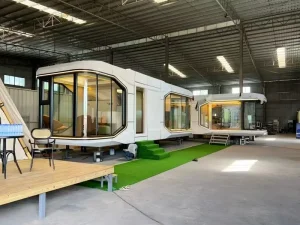
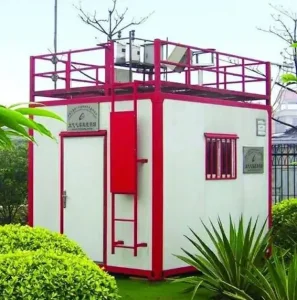
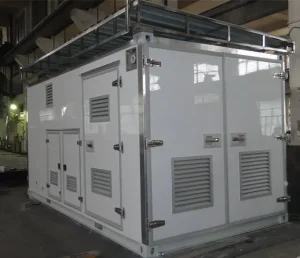
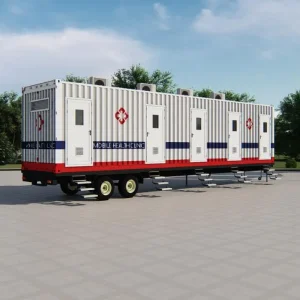
Koror serves as the principal economic, commercial, and telecommunications nexus of the Republic of Palau. Situated in the tropical western Pacific Ocean (latitude 7°20′ N), Koror presents one of the most mechanically and electro-chemically hostile operational theaters in the world for delicate electronics, telecommunication transceivers, battery energy storage systems (BESS), and emergency power plants. OEM equipment shelter buyers operating across Koror, Malakal Island, and neighboring Babeldaob face three interconnected environmental hazards: extreme atmospheric salinity, unrelenting relative humidity (consistently averaging 80% to 90%), and recurrent super-typhoon wind loads that routinely challenge standard industrial infrastructure.
Across the Koror urban cluster and outer island relay corridors, critical infrastructure—including fiber optic cable landing stations (connected to the SEA-US and Echo subsea cables), 4G LTE/5G wireless cell site base transceivers, air traffic radar at Roman Tmetuchl International Airport, and Palau Public Utilities Corporation (PPUC) distributed substations—demands absolute continuous uptime. When unshielded or poorly insulated enclosures are deployed, premature corrosion destroys copper coils, salt fog bridges high-voltage transformer paths, and excessive air-conditioning compressor failure leads to thermal runaway in high-density lithium battery banks. Our engineered OEM shelters eliminate these vulnerabilities at the factory level.
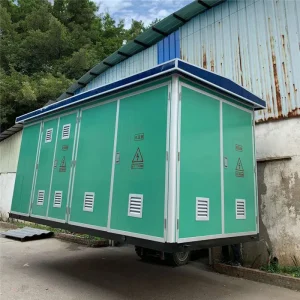
Built with heavy-gauge SPA-H atmospheric corrosion-resistant Corten steel or monolithic structural fiberglass (FRP) sandwich assemblies, eliminating exterior corrosion while maximizing physical ballistic defense.
Multi-stage labyrinth marine-grade air louvers, double EPDM perimeter gas-tight door seals, and positive internal pressure preventing micro-droplet salt fog infiltration into electronic rack enclosures.
Factory-integrated industrial HVAC units with microprocessor-based automatic lead-lag changeover, anti-corrosive hydrophilic aluminum fins, and coated copper-to-copper condenser loops.
Globally, the equipment shelter sector has experienced a profound shift toward integrated, pre-tested, skid-mounted modular architecture. Telecom network operators, renewable energy independent power producers (IPPs), and military engineering units are abandoning fragmented on-site assembly in favor of consolidated factory integration. In our specialized 12,000 m² manufacturing plant, electrical wiring, cable ladders, automatic transfer switches (ATS), fire suppression systems (FM-200 / NOVEC 1230), and thermal management modules are pre-installed and certified prior to ocean transit.
For isolated maritime regions like Koror, this methodology cuts on-site civil commissioning schedules by up to 80%. Rather than mobilizing multi-disciplinary technical teams to remote sites across Airai, Meyuns, or Peleliu, procurement directors receive a complete, certified shelter that needs only placement upon a pre-cast concrete plinth and connection to primary and standby power feeds.
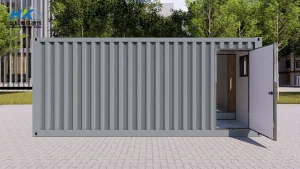
Our OEM manufacturing lines produce both custom shipping container-derived shelters and non-metallic fiberglass composite enclosures tailored to the Micronesian geographic belt:
| Engineering Attribute | Standard Shipping Container Modified | Heavy-Duty FRP Sandwich Monocoque | Palau / Koror Compliance Benchmark |
|---|---|---|---|
| Primary Structural Core | SPA-H Corten Steel (1.6mm - 2.0mm corrugated) | Continuous Woven Fiberglass + Vacuum Infused Resin | ASTM A588 / ISO 1496 Standard |
| Anti-Corrosion Surface | Zinc-rich epoxy primer + Polyurethane topcoat (≥280μm) | Pigmented UV-stabilized Isophthalic Gelcoat | ISO 12944 Category C5-M (Marine Coastal) Passed |
| Insulation Core & Rating | High-density Rigid Polyisocyanurate (PIR) / Rockwool | Closed-Cell Structural PU Foam (42-45 kg/m³) | Thermal Conductivity ≤ 0.022 W/(m·K), Class 1 Fire |
| Wind Load Resistance | 275 km/h (76 m/s) with engineered tie-downs | 250 km/h (70 m/s) aerodynamic profile | ASCE 7-16 & IBC 2018 Tropical Cyclone Spec |
| Floor Load Bearing | 1,500 kg/m² to 3,000 kg/m² reinforced subfloor | 1,200 kg/m² structural composite chassis | Telecom 19" Rack & High-Density BESS compliant |
| HVAC & Climate Control | Dual Redundant Industrial Wall-Mounted A/C | Integrated Marine-Grade Split / Package Units | ASHRAE TC 9.9 Datacom Environment Standard |
| Expected Service Life | 25+ Years with 10-year coating re-seal | 30+ Years zero maintenance shell | Micronesia Harsh Maritime Exposure |
Deploying sensitive technical enclosures within Koror requires strict alignment with local building authorities, environmental protections mandated by the Palau Environmental Quality Protection Board (EQPB), and port clearance logistics via the Port of Malakal. As a direct-from-factory OEM partner, our structural engineering team generates complete parametric 3D CAD modeling, structural wind-uplift calculations, and foundation tie-down schematics sealed by licensed professional engineers to streamline local permitting.
Koror is characterized by coralline limestone rock and volcanic clay substrates. During extreme storm surge and cyclonic occurrences, uplift suction poses as great a hazard as lateral wind shear. Our shelters feature integrated ISO 1161 cast steel corner corner fittings and perimeter anchoring flanges designed to accept high-tensile hot-dip galvanized chemical anchor rods, anchoring the shelter to concrete piers or grade beams designed under FEMA P-646 guidelines.
The cost of electricity in Palau is heavily tied to imported petroleum fuels. Operating continuous air conditioning in an inefficient enclosure results in high operational expenditure (OPEX). By combining high-density closed-cell PIR foam panels with external radiant heat barrier coatings (reflecting over 85% of solar radiation), our equipment shelters reduce internal HVAC compressor runtime by up to 38%, directly lowering lifetime fuel consumption for backup generators and municipal grid draw.
Providing hermetically sealed, EMP-shielded enclosures for terminal equipment, optical amplifier arrays, and backup battery banks supporting high-speed international telecommunications links.
Insulated, fire-isolated battery containers equipped with integrated aerosol fire extinguishing and HVAC cooling to support off-grid solar projects across Palau’s green energy transformation.
Corrosion-proof fiberglass telemetry and monitoring cabins for marine traffic control, vessel navigation radar, and environmental sensor arrays exposed directly to ocean spray.
As mission-critical telecommunications transition toward distributed Edge Computing and micro-datacenters, the functional expectations of equipment shelters are rapidly shifting. No longer merely passive physical boxes, contemporary shelters must serve as autonomous, self-monitoring nodes within smart infrastructure matrices.
Embedded industrial sensors continuously report internal temperature, dew point, relative humidity, particulate ingress, and vibration directly via SNMP or MQTT protocols to central network operations centers in Koror or overseas HQ.
Incorporation of bio-based phase change material panels into shelter ceilings and walls that absorb latent heat when internal temperatures exceed 27°C, offering up to 10 hours of passive thermal buffer during generator switchover or grid failure.
Aerodynamic overhead solar racking designed for rapid wind-shedding during typhoons, combined with standardized fuel cell enclosures to establish 100% zero-carbon telecom repeater sites across Palau’s remote outer islands.
Direct answers addressing customs, logistics, engineering standards, and installation dynamics for clients across the Republic of Palau.
All shelter modules are fabricated strictly to standard ISO outer dimensions (10ft, 20ft, or 40ft footprint) or designed as standardized Flat-Pack kits to fit standard container slots. Shipments transit via major ocean carriers directly into the Port of Malakal, Koror. We provide full commercial documentation—including certified Bill of Lading, HS code itemization (typically HS 9406), packing lists, and mill test certificates—allowing your local customs broker in Koror to clear goods swiftly without regulatory hold-ups.
Our typhoon-rated shelters are engineered with finite element analysis (FEA) to endure wind speeds in excess of 260 km/h (72+ m/s). The shelter frame utilizes high-tensile structural steel or reinforced composite corner bulkheads that lock into heavy-duty foundation tie-downs. We supply a complete anchor engineering calculation package detailing anchor embedment depths, rebar schedules, and concrete base pad specifications tailored to Koror's local soil and rock conditions.
Corrosion prevention is multi-layered. First, exterior steel surfaces receive blast cleaning to Sa 2.5 standard followed by a minimum 280-micron epoxy-polyurethane system certified to ISO 12944 C5-M marine exposure. Second, all air intake louvers utilize labyrinth moisture-separator profiles with washable high-efficiency mist eliminators. Third, all HVAC condensers and copper pipe junctions are treated with factory-applied anti-corrosion coating (Blygold or electro-fin dip coatings), preventing galvanic oxidation and prolonging compressor lifespan.
Yes. We regularly fabricate dual-compartment shelters separated by an insulated, fire-rated blast barrier wall (up to 2-hour rating). The battery room is outfitted with hydrogen detection, explosion-proof extraction fans, and dedicated climate control, while the equipment room houses 19-inch telecom racks, UPS systems, and DC power distribution. Separate external access doors ensure service isolation and enhance security.
Contact our engineering desk today for structural load assessments, CAD drawings, and comprehensive DDP/CIF Malakal Port budgetary proposals within 24 hours.
Send Inquiry NowExplore our complete catalog of industrial shelters, custom shipping container conversions, and rapid-deployment modular facilities for commercial, governmental, and private developments.