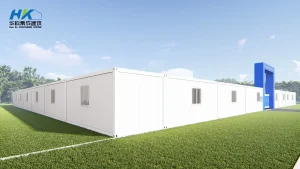
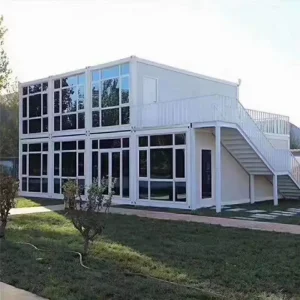
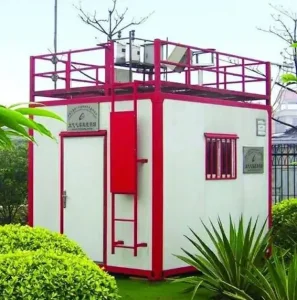
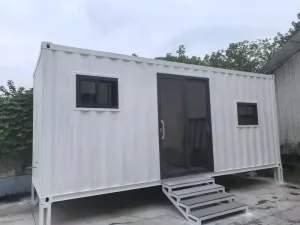
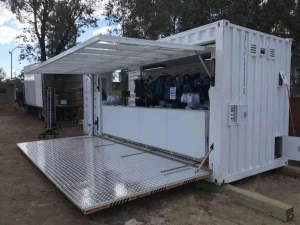
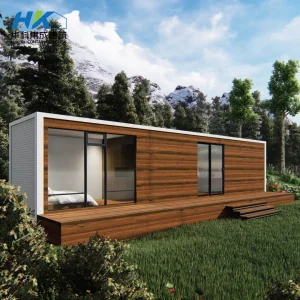
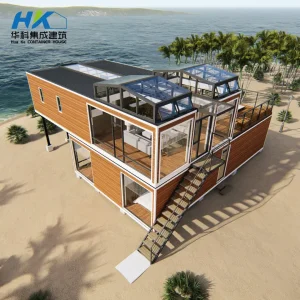
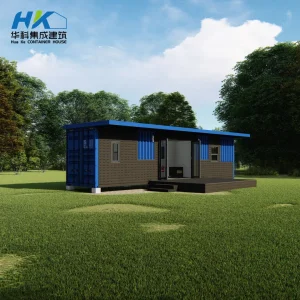
Explore our primary array of high-grade container offices, customized washroom modules, and modular living platforms directly sourced from our Chinese manufacturing headquarters.
The global construction and commercial real estate landscape is undergoing an unprecedented shift toward industrialized off-site manufacturing (OSM). Among all structural elements of modern facility engineering, modular washroom restroom solutions represent the highest density of Mechanical, Electrical, and Plumbing (MEP) integration per square meter. As enterprise buyers, municipal contractors, and commercial developers seek to mitigate escalating site labor costs, stringent local sanitation regulations, and prolonged project lifecycles, prefabricated washroom pods and relocatable restroom blocks have evolved from temporary site stopgaps into permanent architectural assets.
This comprehensive industry whitepaper analyzes the macroeconomic forces driving the wholesale washroom market, evaluates technical material engineering standards, provides direct price-structure breakdowns, and highlights the operational dominance of specialized Chinese OEMs in delivering turnkey sanitation infrastructure worldwide.
Sourcing wholesale washroom and restroom products directly from advanced manufacturing hubs in China provides international B2B buyers with undeniable structural and economic leverage. China’s centralized industrial supply chains allow factory-direct integration of steel frame production, composite material molding, anti-microbial surface treatments, and pre-tested MEP assemblies under strict ISO9001 and ISO14001 quality control regimes.
From heavy-gauge corten steel containers to specialized Sheet Molding Compound (SMC) composite floor basins, Chinese factories aggregate all tier-1 raw materials within localized industrial zones, eliminating costly international cross-component shipping bottlenecks.
Automated robotic laser cutting and structural welding guarantee millimeter-level dimensional tolerances across all wall panels, frame connections, and plumbing drop-points, ensuring seamless site drop-in execution.
Washroom environments endure severe moisture exposure. Chinese manufacturing protocols utilize hot-dip galvanization (min 120g/m² zinc coating) combined with marine-grade epoxy fluorocarbon baked coatings to withstand 30+ years of high-humidity operational wear.
Standardized automated pod assembly lines allow Chinese facilities to manufacture thousands of standardized unit blocks per month, driving unit procurement costs down by 35% to 55% compared to regional Western fabrication yards.
Different commercial sectors demand highly tailored sanitation configurations. Our wholesale modular washroom infrastructure caters to a spectrum of global deployment scenarios:
Modular GFRC (Glass Fiber Reinforced Concrete) or lightweight steel washroom pods are lifted directly into building cores during initial floor framing, significantly compressing internal fit-out schedules for office towers and hotels.
Heavy-duty, containerized trailer toilet blocks engineered for extreme climate zones (-40°C to +55°C). Includes integrated blackwater holding tanks, industrial ventilation, and heavy-impact stainless steel sanitary fixtures.
Vandal-resistant, ADA/Disability-compliant municipal public restrooms deployed in transportation hubs, public parks, and smart cities equipped with automated self-cleaning cycles, occupancy sensors, and remote management telemetry.
Luxury insulated capsule washroom units with glass curtain walls, rain-shower units, smart mirror defoggers, and bio-digestive greywater filtration systems designed for off-grid luxury eco-resorts.
Understanding material trade-offs is essential for long-term facility asset management. The table below outlines technical metrics across primary modular washroom manufacturing frameworks:
| Modular Platform | Structural Core | Waterproofing System | Lifespan | Freight Mode | Target Procurement Use Case |
|---|---|---|---|---|---|
| Corten Steel Container Restroom | Corrugated ISO Steel Frame + Rockwool Insulation | Seam-welded aluminum checker plate / Epoxy floor | 25 – 35 Years | Shipped fully intact as standard 20ft/40ft SOC | Mining camps, remote worksites, harsh industrial environments |
| Flat-Pack Modular Washroom | Cold-formed Galvanized Steel + PU Sandwich Panel | Composite PVC vinyl roll + integral drain base | 15 – 20 Years | Flat-packed (4-6 units per 40ft HC container) | Temporary event sites, rapid site offices, emergency relief camps |
| SMC Composite Modular Pod | Fiberglass Reinforced Thermosetting Resin | Seamless single-mold base tray (100% leak-proof) | 30+ Years | Panelized skid crates or complete turnkey pods | Hotels, student dormitories, hospital developments |
| LGS Luxury Restroom Villa Block | Light-Gauge Steel Frame (G550 AZ150 Steel) | Multi-layer waterproof membrane + porcelain tile | 50+ Years | Panelized components fit inside standard ocean containers | Permanent commercial plazas, resorts, luxury public parks |
Procuring wholesale washrooms internationally requires balancing initial capital expenditure (CAPEX) with total cost of ownership (TCO). When managing high-volume RFQs (Request for Quotes), procurement officers must account for five structural cost vectors:
Plumbing standards vary wildly across global jurisdictions (e.g., UPC/IPC in North America, AS/NZS 3500 in Australasia, CE EN standards in Europe). Leading Chinese exporters pre-engineer internal piping runs using certified PEX-a, PPR, or 316 Stainless Steel with regional thread adapters (NPT, BSP, or push-fit DIN).
Shipping air space is expensive. Opting for flat-pack modular washroom structures can increase container packing density by up to 400%, allowing up to 6 fully insulated restroom modules to fit inside a single 40ft High Cube ocean freight container.
Before factory release, enterprise B2B buyers should insist on rigorous FAT protocols: 100% hydrostatic pressure testing of clean water plumbing at 0.8 MPa, 24-hour flood testing of wet-room floor trays, and full electrical load testing under simulated high ambient heat.
Selecting high-durability wall claddings like UV-cured PVC panels or high-pressure laminate (HPL) reduces ongoing maintenance costs by preventing water ingress, mold growth, and chemical cleaning degradation over a multi-decade life cycle.
The commercial washroom sector is rapidly integrating smart building automation and closed-loop ecological engineering. Future-proofing wholesale acquisitions means specifying next-generation features during the RFP design phase:
Modern prefabricated washrooms integrate IoT sensor suites that track water consumption, detect micro-leaks in real time, monitor paper dispenser levels, and dynamically manage HVAC ventilation based on real-time volatile organic compound (VOC) air quality readings.
Adapting technology from marine and aviation sectors, commercial vacuum toilets reduce flush water volume from 6.0 liters down to 0.8 liters per flush, drastically cutting municipal water costs and enabling light-duty plumbing line sizing.
Off-grid restroom containers feature integrated roof-mounted PV solar arrays with battery energy storage systems (BESS) and biological greywater recycling units, creating self-contained sanitation hubs for remote installations.
Get authoritative engineering and commercial answers regarding lead times, structural customization, code compliance, and global logistics for wholesale washroom orders.
A: Standard production lead times range from 15 to 25 calendar days following final shop drawing approval and deposit receipt. For large-scale multi-unit orders (e.g., 50+ flat-pack units), rolling production schedules deliver completed batches every 7 to 10 days to align with container vessel departure windows.
A: Our engineering teams customize all MEP specifications prior to manufacturing. We integrate CE-certified wiring, UL/CSA listed breakers and conduit for North America, and WaterMark certified valves and copper/PEX fittings compliant with AS/NZS 3500 for Australia and New Zealand. All components carry verifiable certificate documentation for local site sign-offs.
A: Fully intact containerized washrooms require minimal foundation work: either reinforced concrete perimeter strip foundations or corner concrete piers engineered to support total wet weight. Flat-pack and panelized solutions require a level slab with pre-stubbed utility drop-points for clean water intake, sewer mains connection, and main electric feeder cables.
A: Absolutely. For sub-zero alpine or arctic sites, core insulation can be upgraded to 100mm high-density polyurethane (PU) spray foam or pir insulation panels, combined with double-glazed low-E windows and electric floor-heating mats. For tropical or desert climates, we incorporate high-efficiency HVAC split units and solar-reflective roof membranes.
A: We employ a multi-barrier waterproofing defense strategy: seamless single-piece molded composite floor trays or 3mm continuously welded aluminum/stainless steel checker plates with integrated 150mm perimeter upstands. All joints are sealed with industrial polyurethane sealants and subjected to 24-hour static hydrostatic leak testing prior to factory sign-off.
Browse additional modular housing, trailer toilets, capsule units, and expandable container systems manufactured to global procurement specs.