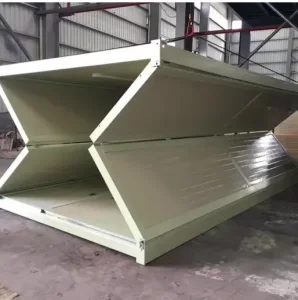
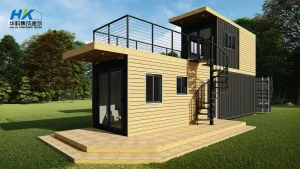
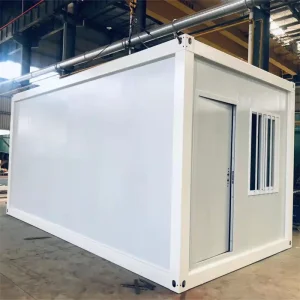
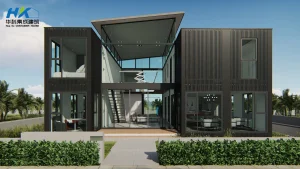
Explore our specialized architectural panel systems, expandable container shells, and energy-efficient structural wall components manufactured under rigorous ISO standards.
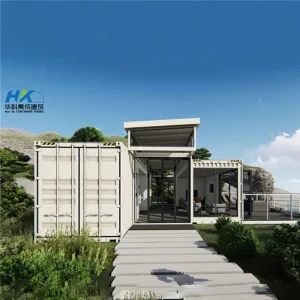
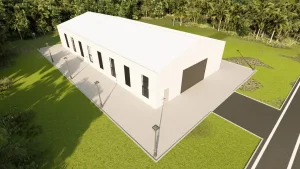
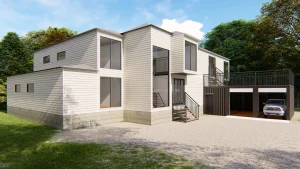
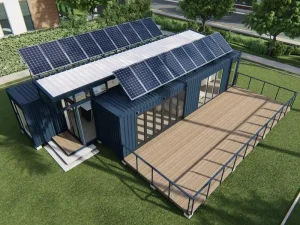
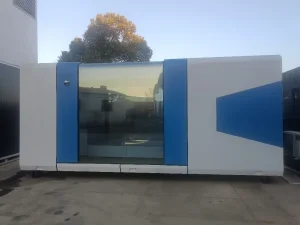
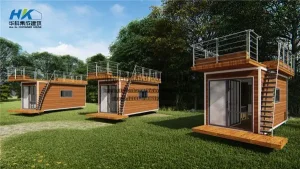
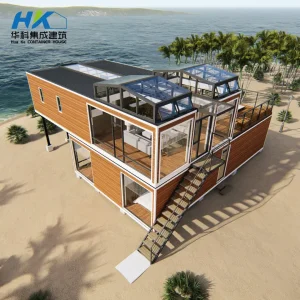
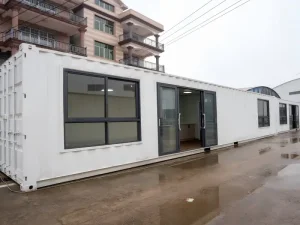
Analyzing the transition toward energy-efficient, fast-erection wall panel systems in industrial, commercial, and modular structural construction worldwide.
The global construction architecture is experiencing a monumental transformation toward high-performance modular envelopes. Driven by stringent environmental regulations, aggressive Net-Zero targets, rising site labor overheads, and the critical demand for accelerated build cycles, architectural wall panel systems have emerged as the foundational pillar of modern industrial prefabrication. As an established OEM Wall Panel Supplier, our manufacturing methodology addresses the complex engineering challenges faced by structural engineers, commercial developers, EPC contractors, and modular housing suppliers worldwide.
Modern architectural envelope design requires far more than mere visual containment. Today's sandwich panels and wall envelope solutions function as complete integrated thermal, structural, and acoustic barriers. With updating thermal envelope building codes—such as ASHRAE 90.1 in North America, Title 24 in California, and Eurocode 3/8 across the European Union—the demand for wall panels featuring zero-thermal-bridging joints, high U-value performance, and Class A fire ratings has surged dramatically. OEMs must supply engineered solutions that balance lightweight transportability with heavy-duty structural shear strength.
Selecting the optimal wall panel core material for thermal efficiency, fire safety, load-bearing requirements, and extreme weather resilience.
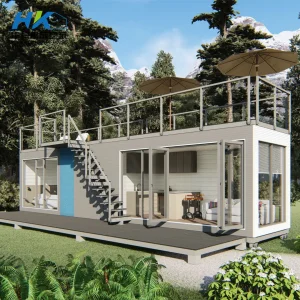
Polyisocyanurate (PIR) and Polyurethane (PUR) cores represent the peak of thermal insulation efficiency. Featuring closed-cell micro-structures (>95% closed cell content), PIR offers an outstanding thermal conductivity as low as 0.020–0.022 W/m·K. Highly recommended for cold-chain logisitics, modular shipping container homes, and cleanrooms requiring strict microclimate regulation.
Engineered for high-hazard industrial workshops, commercial firewalls, and public infrastructure, high-density structural Rockwool panels (100–140 kg/m³) provide unparalleled fire insulation (Non-combustible Class A1 / EI120). Rockwool core panels deliver exceptional acoustic attenuation while remaining open to vapor diffusion, preventing internal interstitial condensation.
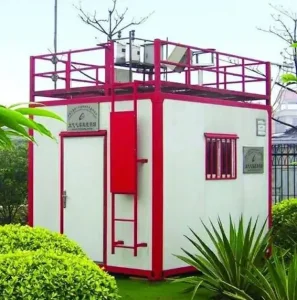
Reinforced Fiberglass (FRP) exterior wall panels combined with lightweight core materials (EPS/PU/XPS) provide complete anti-corrosion, impact resistance, and waterproof durability. Ideal for marine environments, mobile sanitation trailers, monitoring cabins, and highly corrosive chemical processing facilities where metallic skins suffer premature oxidation.
The comparative matrix below outlines structural, thermal, and fire performance dynamics across standard OEM wall panel formulations under test standards EN 14509 and ASTM C518.
| Insulation Core Type | Density (kg/m³) | Thermal Conductivity (W/m·K) | Fire Reaction Rating (EN 13501-1) | Max Compressive Strength (kPa) | Primary Application Target |
|---|---|---|---|---|---|
| Rigid PIR (Polyisocyanurate) | 40 - 45 | 0.020 - 0.023 | B-s1, d0 (Flame Retardant) | ≥ 150 | Cold Storage, Solar Container Homes, Passive Villas |
| High-Density Mineral Rockwool | 100 - 140 | 0.038 - 0.044 | A1 (Non-Combustible) | ≥ 100 | Industrial Firewalls, Power Shelters, Commercial Warehouses |
| Structural EPS (Expanded Polystyrene) | 15 - 25 | 0.035 - 0.039 | B2 / E Class | ≥ 80 | Temporary Site Camps, Modular Flat Pack Offices |
| Spray Polyurethane Foam (SPF) | 35 - 40 | 0.021 - 0.024 | B2 Class | ≥ 180 | Custom Off-Grid Shipping Containers, Retrofits |
| FRP / Fiberglass Composite | 30 - 60 | 0.030 - 0.036 | V-0 / B1 Class | ≥ 200 | Corrosive Plants, Trailer Toilets, Monitoring Cabins |
From automated roll-forming and continuous double-belt lamination to precision CNC profiling and custom coating integration.
Utilizing high-tensile hot-dip galvanized steel coils (DX51D+Z to S350GD+Z) with zinc mass up to Z275/AZ150, treated with organic primer and PVDF, HDP, or SMP topcoats for superior weatherability.
Advanced multi-station continuous roll-forming machinery profiles exterior and interior steel sheets into custom micro-ribbed, wide-ribbed, smooth architectural flat, or deep corrugated aesthetic geometries.
High-pressure liquid polyol/isocyanate high-speed injection under precise temperature control ensures 100% core-to-skin adhesive bonding, eliminating internal air pockets and delamination risks.
Precision milling creates tongue-and-groove joints, hidden-fastener profiles (secret fix), and dual cam-lock mechanisms with pre-applied factory butyl sealants for maximum moisture air-tightness.
Adapting engineered wall panel assemblies to diverse climate extremes, seismic structural demands, and commercial usage cases.
High-density Rockwool and heavy EPS flat pack wall panels designed for quick assembly in remote regions (e.g., Western Australia, Northern Canada, Sub-Saharan Africa). Resistant to high sandstorm abrasion, extreme heat (+50°C), and sub-zero Arctic frost (-40°C).
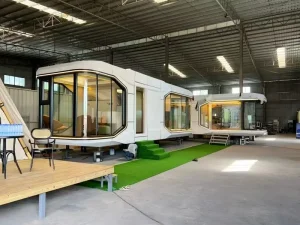
Curved lightweight composite wall panels and customized space capsule walls featuring integrated polyurethane spray foam and triple-glazed panoramic envelope integration. Engineered for seamless aesthetics, low environmental footprint, and rapid site setup.
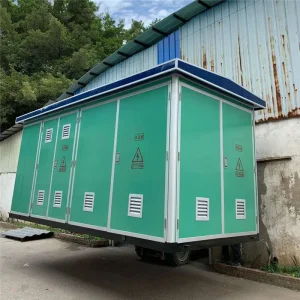
Heavy-duty insulated fiberglass and steel sandwich panel shelters built to protect critical 5G infrastructure, high-voltage transformers, and remote monitoring machinery against electromagnetic interference, extreme moisture, and thermal spikes.
Ensuring full alignment with regional building codes, fire regulations, structural load dynamics, and environmental directives.
Tested under ASTM E84 (Surface Burning Characteristics), ASTM C518 (Thermal Transmission Properties), and UL 723 standards. Fully adaptable to US IBC (International Building Code) and Title 24 insulation requirements.
Certified under EN 14509 (Self-supporting double skin metal faced insulating panels), featuring CE Marking, EN 13501-1 fire classification (A1 through B-s1, d0), and REACH compliant core chemical formulations.
Compliant with AS/NZS 1170 structural design actions for cyclone wind-zone resistance (Region C & D) and NCC / BCA thermal efficiency specifications for modular housing and commercial buildings.
Pioneering intelligent, smart-grid integrated, and circular carbon-neutral wall panel technologies.
Direct fusion of thin-film Cadmium Telluride (CdTe) or Perovskite solar layers onto external steel sandwich wall skins, converting entire industrial building facades into active power generators.
Incorporating silica aerogel matrixes into PIR cores to reduce panel thickness by 50% while maintaining equivalent U-values, maximizing internal net floor area in modular container architecture.
Replacing traditional petroleum-derived polyols with bio-based alternatives derived from agricultural upcycling, cutting embodied carbon emissions by up to 45% per square meter.
Embedding micro RFID moisture sensors and thermal leak detectors directly inside panel joints to deliver continuous structural health telemetry for large industrial installations.
In-depth responses regarding thermal bridging, joint sealing, OEM customization limits, structural spans, and international export logistics.
Explore complete structural solutions utilizing our advanced wall panel technology, from expandable cabins to heavy-duty equipment shelters.