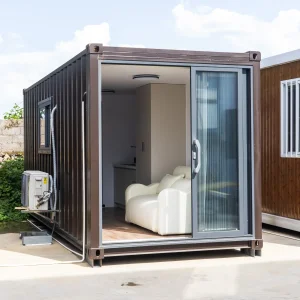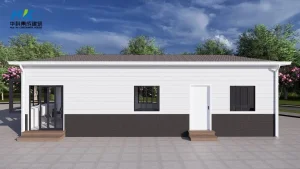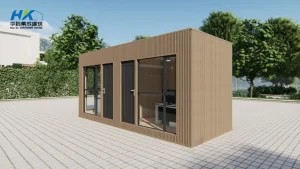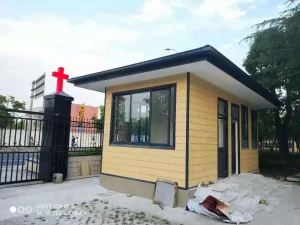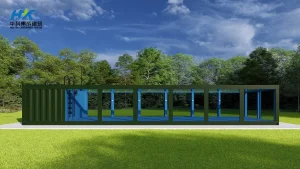
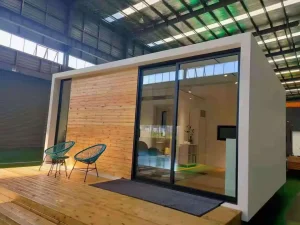
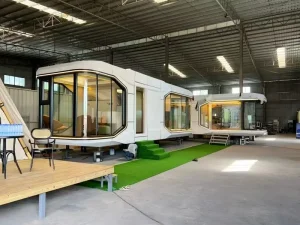
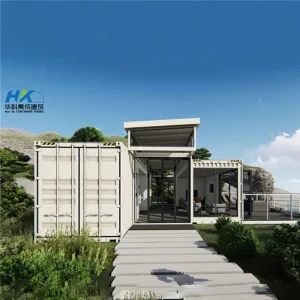
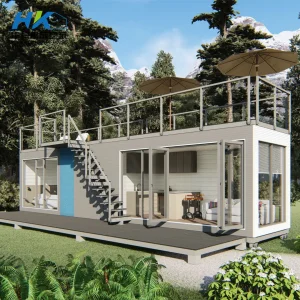
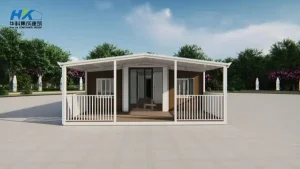
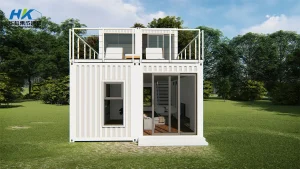
In the era of modern modular construction, telecommunication expansions, and off-grid industrial infrastructure, securing a dependable OEM Shelter Cabin Factory & Supplier is paramount for enterprise procurement executives. Modern shelter cabins have evolved far beyond basic corrugated iron boxes; they are sophisticated, environmentally tight, structural enclosure pods engineered to withstand seismic tremors, coastal salinity, extreme sub-zero weather, and intense thermal loads.
From sensitive 5G base station housing and edge data center enclosures to remote worker accommodations, disaster relief units, and high-end residential modular cabins, original equipment manufacturing (OEM) allows global buyers to tailor every structural millimeter. Procuring directly from specialized Chinese OEM manufacturers delivers unprecedented cost efficiency, fast-tracked engineering turnarounds, and complete bill-of-materials (BOM) customization that aligns seamlessly with strict international building codes (IBC, EN 1090, ISO 9001).
Unlike standard repurposed ISO shipping containers, purpose-built OEM shelter cabins feature zero cold bridges, continuous PUR/PIR insulation envelopes, integrated MEP conduits, and pre-tested IP66 weatherproofing. This eliminates condensation, drastically reduces operational thermal loads by up to 42%, and ensures zero structural degradation over decades of continuous outdoor field operations.
When evaluating OEM shelter cabin factories, procurement managers must analyze structural integrity, metallurgical composition, insulation core materials, and environmental sealing. Below is the comprehensive technical matrix executed across our manufacturing lines:
| Engineering Parameter | Standard Specification | Premium Industrial OEM Option | Regulatory / Testing Standard |
|---|---|---|---|
| Main Structural Frame | Q235B Galvanized Steel Profiles (3.0mm - 4.0mm) | Corten-A Weathering Steel / Q355B Heavy Gauge Steel | GB/T 700-2006 / ASTM A588 |
| Wall Panel Core Insulation | 50mm EPS / Glass Wool (Density 16kg/m³) | 75mm - 120mm High-Density PIR / Rigid PU Spray Foam | EN 13501-1 Class A1 Fire Rating |
| Anti-Corrosion Surface Coating | Epoxy Zinc-Rich Primer + Polyurethane Topcoat (120μm) | Hot-Dip Galvanizing (275g/m²) + Fluorocarbon (PVDF) Painting | ISO 12944 C4/C5 Coastal Industrial Spec |
| Roof Load Bearing Capacity | 1.5 kN/m² (Standard Snow/Equipment Load) | 3.5 kN/m² Heavy Snow & Solar Panel Array Structural Mounting | IBC 2024 Structural Load Standard |
| Wind Resistance Load | 120 km/h (Category 12 Typhoon/Hurricane) | Up to 250 km/h Reinforced Structural Corner Castings | AS/NZS 1170.2 / Wind Tunnel Certified |
| Ingress Protection (IP Rating) | IP55 Dust & Water Splashing Protection | IP66 Hermetically Sealed Watertight Joints for Telecommunications | IEC 60529 Ingress Protection Standard |
| Integrated Floor Assembly | 18mm Fiber Cement Board + 2.0mm Anti-Static PVC Sheet | Checkered Aluminum Plate / Sealed Steel Sheet with Draining Gutters | UL 94 Flammability Test Approved |
In harsh operational microclimates—ranging from the extreme humidity of Southeast Asia to sub-zero Nordic winters—maintaining stable internal ambient temperatures for critical control equipment or human occupants is crucial. OEM shelter cabins manufactured with continuous PIR (Polyisocyanurate) sandwich panels achieve an extraordinary thermal conductivity coefficient as low as 0.018 W/m·K. Combined with optional thermal-break double-glazed low-E windows and integrated split-system industrial HVAC units, operational power consumption is slashed by up to 35%.
Why do leading global engineering firms, telecoms, and resort developers source their OEM shelter cabins from specialized Chinese manufacturing clusters like Jiangxi and Shangrao? The answer lies in localized supply chain density, automated roll-forming equipment, and rapid prototyping capabilities.
From raw steel coil slitting and automated robotic welding to powder-coating lines and specialized hardware procurement, all raw materials are sourced within a 50-kilometer radius. This eliminates supply chain lag and reduces overall manufacturing lead times by over 40%.
Benefiting from economies of scale and highly optimized automated production lines, Chinese OEM factories deliver premium-grade steel structures and insulated cabins at a fraction of Western manufacturing costs—without compromising on raw material specs or safety certifications.
Advanced CAD engineering allows cabins to be manufactured as fully collapsible flat-pack units or rigid sea-container modules. A single standard 40ft High Cube container can ship up to 4 complete 20ft flat-pack shelter units, dramatically reducing oceanic freight costs per square meter.
Procuring customized shelter cabins requires strict engineering alignment between enterprise clients and factory floor teams. Our step-by-step OEM procurement pipeline guarantees zero discrepancies between architectural shop drawings and final deliverable units:
For telecom integrators, equipment manufacturers, and overseas modular developers, we provide full private labeling services. Custom laser-cut logo nameplates, localized warning decals, client-specified paint color codes (RAL color matching), and custom branded user documentation ensure seamless integration into your product catalog.
Need multi-story office complexes or expandable field shelters? Our OEM shelter cabins feature reinforced twist-lock corner castings and standardized ISO lifting blocks. Cabins can be structurally stacked up to 3 levels high or connected laterally via flexible waterproof joining kits without requiring extra external scaffolding.
Exporting prefabricated shelter cabins globally requires meeting diverse statutory building standards and environmental regulations. Partnering with a fully certified factory eliminates local permitting bottlenecks and ensures long-term operational peace of mind.
Engineered to conform with IBC 2024, Eurocode 3 (Design of steel structures EN 1993), and Australian Standards (AS/NZS 1170). Complete structural calculations and stamped engineering drawings are available upon request for local permit submissions.
Pre-installed wiring conduits, breaker panels, distribution boards, and fixtures can be configured to match regional voltage and safety specs: UL/NEC standards for North America, CE/IEC for Europe, and SAA certifications for Australia and New Zealand.
All interior wall linings, ceiling panels, and flooring materials utilize non-combustible Class A fire-rated materials (mineral rock wool or non-flammable PIR cores) with zero VOC emissions and low toxic gas generation, certified by SGS/Intertek testing.
OEM shelter cabins offer extreme versatility across diverse industrial, commercial, and municipal sectors. Below are primary high-demand enterprise application scenarios:
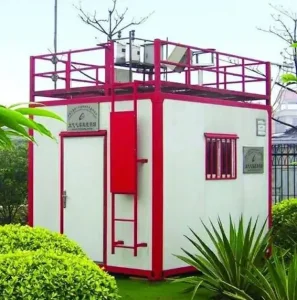
Configured with electromagnetic shielding (EMI shielding), anti-static flooring, cable ingress entry glands, and dual redundant precision cooling HVAC systems. Used by global telecom operators to protect fragile base stations, microwave repeater gear, and fiber junction nodes in mountain peaks and desert terrains.
Utilized by power utility companies, solar farm operators, and oil & gas refineries. These robust monitoring shelters house SCADA control racks, high-voltage transformer switchgear monitors, and chemical analysis laboratories with explosion-proof wall panel reinforcements.
Heavy-duty flat-pack or relocatable worker accommodation cabins fitted with integrated ensuite bathrooms, bunk beds, acoustic insulation wall linings, and fire-rated security doors. Designed for rapid assembly and multiple relocation cycles across remote project sites.
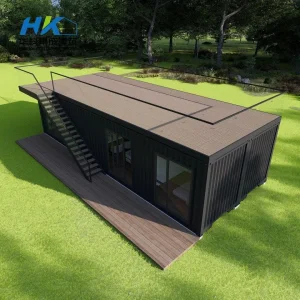
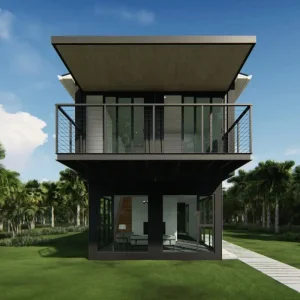
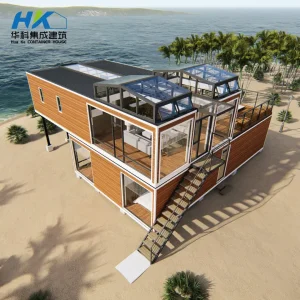
Custom high-end architectural cabins equipped with floor-to-ceiling panoramic glass walls, exterior composite wood cladding, decorative composite decking, and smart home automation. Ideal for boutique eco-resorts, airbnb rentals, and backyard ADU expansion projects.
The global modular shelter industry is undergoing a digital transformation. Factory integration of smart sensors, autonomous energy storage, and sustainable materials is defining the next generation of industrial cabins:
Integration of roof-mounted monocrystalline solar arrays, LiFePO4 battery banks, and hybrid solar inverters into the factory prefab process allows cabins to operate 100% off-grid in unpowered wilderness areas.
Embedded factory IoT sensors monitor structural movement, door access security, thermal leakage, internal smoke/humidity, and power status in real time via cloud-based dashboards.
Adopting 100% recyclable structural steel, zero-VOC water-based coatings, and eco-friendly bio-based foam insulation helps multinational clients reach their corporate Scope 1 and Scope 2 carbon neutrality targets.