Precision-built prefabricated structures engineered for rapid overseas deployment, harsh environment operation, and custom OEM configurations.
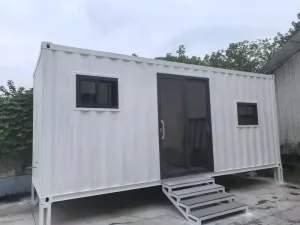
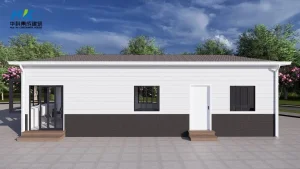
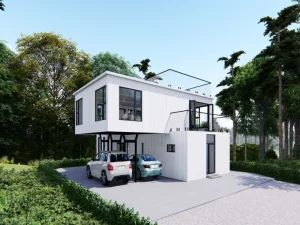
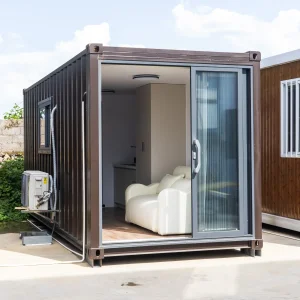
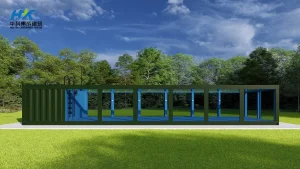
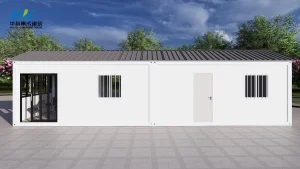
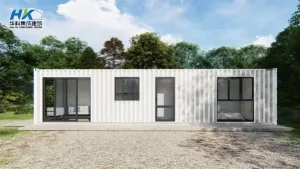
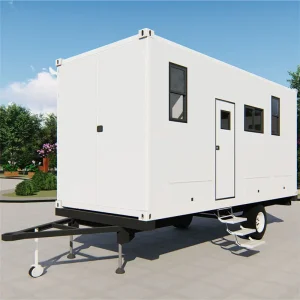
How factory-integrated OEM ready toilet containers are rewriting the economics of commercial infrastructure, remote site logistics, and eco-tourism development.
In modern infrastructure development, municipal urban planning, and large-scale industrial project execution, access to robust, hygienic, and rapidly deployable sanitation facilities has emerged as a cornerstone of operational compliance and human dignity. Traditional brick-and-mortar public restrooms present immense cost overruns, prolonged construction timelines, environmental site disruption, and zero mobility. Enter the OEM ready toilet container—a turn-key engineering marvel built upon ISO shipping container architecture or galvanized steel modular frameworks.
This whitepaper thoroughly examines how Chinese manufacturing ecosystems have evolved from basic sheet-metal assembly to high-precision engineering hubs capable of producing fully integrated, highly sanitary, and smart-monitored sanitation blocks. By capitalizing on scale, advanced material science, and integrated supply chains, leading OEM factories provide global EPC (Engineering, Procurement, Construction) contractors, government bodies, and commercial developers with customized modular washrooms that arrive on site 100% pre-plumbed, pre-wired, and structurally validated for immediate plug-and-play hookup.
Delving into structural steel framing, specialized waterproof cladding, anti-microbial interiors, and heavy-duty mechanical system integration.
Constructed utilizing heavy-gauge Q235B galvanized steel profiles or modified ISO SPA-H Corten steel frame assemblies. Coated with marine-grade C5-M polyurethane epoxy primer systems to resist relentless humidity, urine acid splash, and coastal salt mist corrosion.
Utilizing seamless liquid-applied Polyurea spray liners, high-density Fiber Reinforced Plastic (FRP) wall panels, or marine plywood sub-floors topped with SS304 diamond plate or anti-slip ceramic tiles over a hot-applied asphaltic membrane.
Includes pre-installed PPR/PEX supply lines, schedule-40 PVC drain manifolds, vacuum-assist flush mechanisms for ultra-low water usage, anti-freeze thermal cable tracing, and continuous negative-pressure active carbon air exchange systems.
When issuing an RFP/RFQ for OEM ready toilet container production, matching material specifications to environmental stresses is critical. Below is the standard engineering baseline applied by China's leading prefabricated sanitation manufacturers:
| Engineering Feature | Standard Commercial Grade | Industrial / Heavy Duty Grade | Extreme Environment / Off-Grid |
|---|---|---|---|
| Frame Construction | Light-gauge Cold Rolled Steel (2.5mm) | Structural Corten / Q235B Steel (3.5mm-4.0mm) | ISO Heavy Shipping Container Frame (4.5mm+) |
| Wall Insulation | 50mm EPS Sandwich Panel | 75mm Rock Wool (A-1 Fire Rated) | 100mm Polyurethane (PU) Closed-Cell Spray Foam |
| Flooring System | 18mm Fiber Cement + 2mm PVC Vinyl sheet | 18mm Marine Plywood + 2.5mm SS304 Diamond Plate | Concrete Base over Steel Framing + Polyurea Coating |
| Sanitary Fixtures | Grade-A Ceramic Touchless Sensor Toilets | Vandal-Resistant SS304 Stainless Steel Fixtures | Micro-Flush / Vacuum Flush / Incinerating Units |
| Electrical & Controls | CE Standard Wiring, LED Lighting | UL / SAA / CE Dual Circuit, Smart Sensor Hub | Solar PV Microgrid (48V System) with Battery Bank |
The confluence of industrial scale, rapid engineering prototyping, comprehensive component supply chains, and stringent quality control protocols.
Within key industrial clusters like Jiangxi and Guangdong, OEM factories operate within a 50-kilometer radius of raw steel mills, ceramic producers, automated plumbing manufacturers, and industrial coating specialists. This localization eliminates supply chain friction, reducing lead times for custom 20ft or 40ft container blocks from months to under 15 days.
Before any modular toilet unit leaves the factory floor, it undergoes exhaustive testing regimes: 24-hour hydrostatic leakage testing of all concealed piping, high-pressure hose-down water tightness validation of walls and windows, 1500V electrical insulation resistance checks, and structural crane-load simulation testing.
Ordering an OEM ready toilet container goes far beyond selecting sizes. Chinese direct manufacturers provide granular customization pathways tailored to exact regional specs and operational demands:
Tailoring containerized sanitation architecture to distinct climatic, regulatory, and operational realities across global markets.
Designed for heavy abuse and extreme thermal shifts (-40°C to +50°C). Features stainless steel non-porous floor pans, vandal-proof SS304 fixtures, thick spray-foam insulation, and high-capacity biological holding tanks.
Focuses on aesthetic harmony and high-throughput durability. Outfitted with touchless infrared faucets, automatic self-cleaning flush sensors, anti-graffiti interior coatings, and compliant disabled access ramps.
Emphasizes zero-environmental footprint and high-end luxury aesthetics. Features panoramic smart-glass windows, rainfall showers, greywater filtration loops, and premium WPC exterior cladding.
Standardized ISO frame containers optimized for quick-crane placement or flat-pack transport via cargo aircraft. Completely operational within 30 minutes of positioning and utility hookup.
A strategic framework for buyers to ensure seamless customs clearance, building code compliance, and transport efficiency.
A major risk for international buyers procuring modular buildings overseas is code non-compliance upon port arrival. Leading Chinese OEM manufacturers mitigate this through upfront engineering alignment with target destination standards:
Units destined for North America are built utilizing UPC (Uniform Plumbing Code) and IPC (International Plumbing Code) compliant PEX-a piping, CUPC certified ceramic fixtures, and standardized NPT threaded connections. For Australia and New Zealand, plumbing systems adhere strictly to AS/NZS 3500 certifications, including mandatory backflow prevention assemblies and watermark-approved valves.
Electrical circuits are wired to meet local grid requirements: 110V/60Hz for North American markets (with UL-listed breaker panels and GFCI outlets), or 220V-240V/50Hz for European (CE / IEC 60364 standard), UK (BS 7671), and Australian (AS/NZS 3000) installations. Dual-voltage transformers and IP65-rated splash-proof electrical enclosures ensure total safety in wet washroom environments.
Freight logistics account for a significant portion of total procurement expenditure. OEM factories solve this via two distinct structural shipping methodologies:
Addressing the most critical technical, commercial, and operational questions surrounding OEM ready toilet containers.
Discover our broad range of residential, commercial, and specialty container conversions built to international standards.