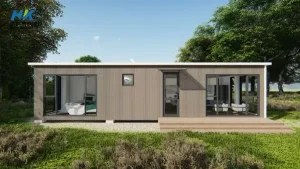
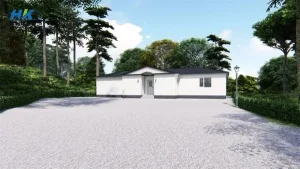
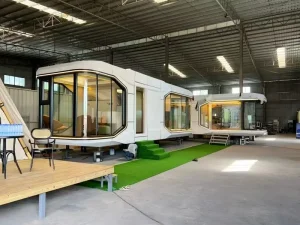
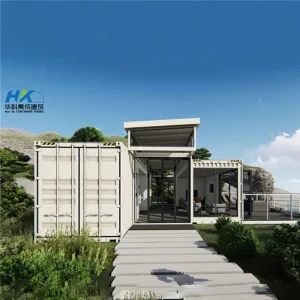
Factory-direct engineered mobile trailer chassis, expandable tiny house structures, and custom heavy-duty modular units compliant with international highway standards.
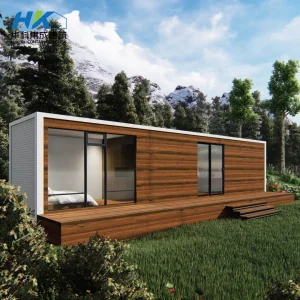
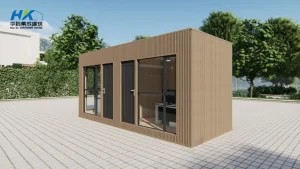
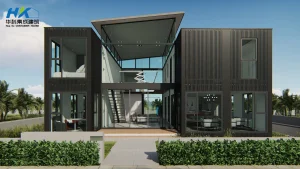
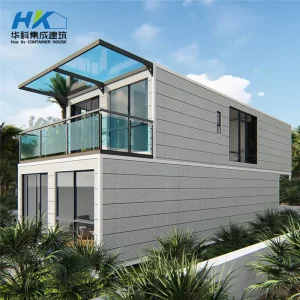
Analysis of modular mobility solutions, road certification standards, and industrial application metrics across global territories.
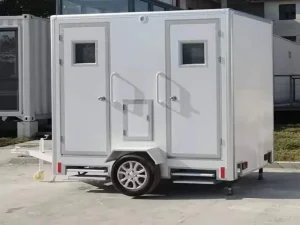
The global demand for OEM Tinny Trailers (specialized, heavy-duty mobile chassis designed for tiny houses, commercial mobile spaces, and industrial utility platforms) has experienced exponential growth. Driven by expanding eco-tourism resorts, high-density urban site management, off-grid residential developments, and rapid deployment mining infrastructure, mobile architecture has transitioned from DIY recreational projects to precision-engineered industrial assets.
As standard housing costs soar globally, commercial developers are leveraging custom OEM tinny trailer platforms to bypass complex permanent municipal zoning while offering turnkey, asset-backed relocatable real estate. A robust OEM trailer supply chain provides standardized, volume-manufactured chassis designed with integrated braking systems, high-tensile steel alloys, and certified tow hitches matching North American (DOT/FMVSS), European (EU Whole Vehicle Type Approval - ECWVTA), and Australian (ADR/VSB1) regulatory frameworks.
How structural metallurgy, smart IoT braking, modular thermal envelopes, and sustainable engineering are shaping the next decade of mobile trailer chassis design.
Integration of Q355B low-alloy high-strength structural steel and aluminum-zinc magnesium coatings reduces overall unladen trailer weight by up to 22% while increasing gross vehicle weight rating (GVWR) allowances for dense interior fit-outs.
Next-gen OEM tinny trailers incorporate integrated CAN-bus telemetry monitoring tire pressure, axle temperature, electronic stability control (ESC), and dynamic hydraulic load sensing to prevent jackknifing during heavy transit.
Shift from basic paint finishes to minimum 85-micron hot-dip galvanizing paired with epoxy-polyurethane topcoats, providing superior resistance against coastal salt spray, de-icing chemicals, and tropical humidity exposure.
Transparent factory cost baseline matrix for global OEM purchasers, developers, and commercial distributors. Standardized specifications vs custom engineer configurations.
| Trailer Model Class | Dimensions (L × W) | Axle Config / GVWR | Brake System Type | Estimated OEM Price Range (USD) | Primary Industrial Use Case |
|---|---|---|---|---|---|
| TT-Lite 20FT Standard | 6.0m × 2.4m (20' × 8') | Tandem Axle / 3,500 kg | Dual-Axle Electric Brakes | $2,800 – $4,200 | Compact Tiny Home, Mobile Site Office, Food Kiosk |
| TT-Pro 28FT Heavy | 8.5m × 2.4m (28' × 8') | Tri-Axle / 4,500 kg | Electric-Hydraulic Disc Brakes | $4,500 – $6,800 | Luxury Multi-Room Tiny Villa, Commercial Showroom |
| TT-Max 32FT Commercial | 9.7m × 2.6m (32' × 8'6") | Heavy Tri-Axle / 5,000+ kg | ABS Air/Hydraulic Heavy Brakes | $6,200 – $8,900 | Two-Story Modular Chassis, Mobile Health Clinic |
| TT-OffGrid 24FT Terrain | 7.3m × 2.4m (24' × 8') | Independent Suspension / 4,000 kg | Off-Road Heavy Brake Hubs | $5,100 – $7,400 | Glamping Resorts, Mining Exploration Base, Outback Cabins |
| TT-Custom Expandable Base | Variable (Up to 12m) | Custom Multi-Axle / Up to 7T | Integrated Pneumatic Systems | Custom Quote Required | Disaster Command Centers, Industrial Telemetry Units |
*Note: Prices reflect FOB factory floor baseline costs for volume orders (MOQ ≥ 5 units). Individual specifications, local homologation certificates, and shipping container packaging kits will impact final land pricing.
Engineered to adapt to extreme environmental conditions, rigid local highway codes, and specialized commercial operations worldwide.
Resort developers utilize trailer-based modular suites in protected natural zones where permanent concrete foundations are legally prohibited. Mobile chassis allow rapid asset relocation and tax optimization under transportable equipment classifications.
Heavy-duty off-road tinny trailers equipped with independent trailing arm suspension provide stable housing, mobile labs, and electrical control rooms across rugged desert or arctic extraction sites.
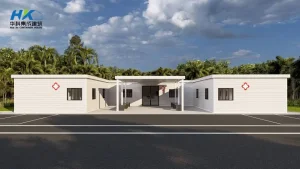
Government agencies deploy turnkey trailer-mounted medical pods, water purification stations, and emergency communications shelters that can be towed at highway speeds into disaster relief zones.
Retail brands and specialty food vendors deploy sleek, custom-clad trailer chassis for high-margin pop-up stores in urban plazas, benefiting from fast setup times and low operational overhead.
A high-performance OEM Tinny Trailer is not merely a welded steel frame; it is a load-bearing foundation that experiences continuous dynamic stresses, wind drag, and cyclic vibration during highway transport. When purchasing from an OEM supplier, institutional buyers must audit the following engineering protocols:
Prior to laser cutting and robotic welding, every chassis design undergoes rigorous FEA modeling. This process identifies potential stress concentration points along cross-members, outriggers, and the drawbar tongue under full payload and emergency braking conditions, ensuring structural safety factors exceed 2.5× static load ratings.
To prevent frame twisting and guarantee sub-millimeter squareness, structural components are clamped in heavy pneumatic master jigs during CO2/Ar shielded arc welding. Standardized manufacturing eliminates variations in axle alignment, reducing long-term tire wear and tow drift.
Unlike surface painting, hot-dip galvanization immerses the entire fabricated steel chassis into a molten zinc bath at approximately 450°C (842°F). This creates a metallurgical bond, coating the inside of hollow structural tubing as well as outer surfaces to prevent hidden internal rusting.
Expert answers regarding structural compliance, OEM customization, shipping logistics, and trailer chassis mechanics.
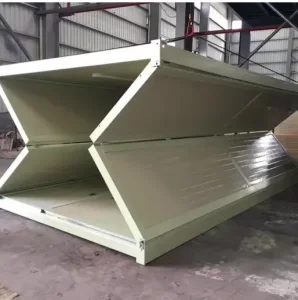
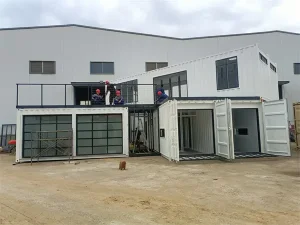
Explore our complete range of light gauge steel villas, flat-pack container offices, modified shipping container units, and specialty equipment shelters.