Explore engineered modular architecture, portable container structures, and turnkey facility units direct from primary manufacturing bases.
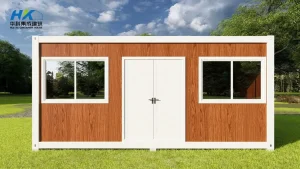
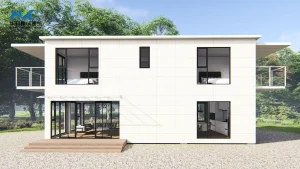
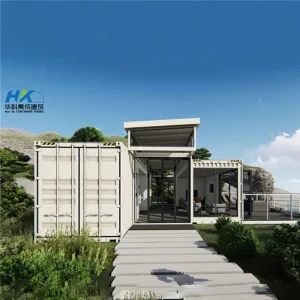
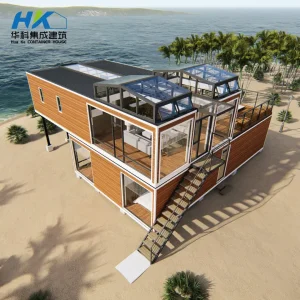
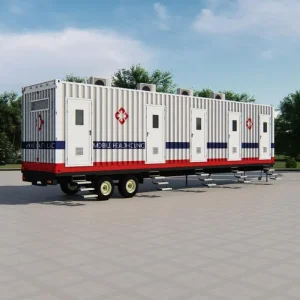
Analyzing global infrastructure expansion, off-grid sanitation requirements, and structural shift toward modular ISO steel ablution blocks.
In mega-infrastructure projects, remote mining camps (e.g., Western Australia's Pilbara, South America's copper belt, and Sub-Saharan energy fields), traditional civil sanitation infrastructure is economically unviable and environmentally restricted. Heavy-duty 10ft, 20ft, and 40ft ISO shipping container toilet blocks provide immediate, structural compliance with occupational health and safety (OH&S) laws, resisting extreme thermal swings, heavy dust, and frequent transport relocations.
Metropolitan developments, public coastal parks, transit hubs, and large-scale outdoor festival grounds are rapidly replacing short-life chemical plastic port-a-potties with permanent-grade modular container ablution blocks. Driven by stringent municipal wastewater compliance, hygiene demands, and vandalism prevention, heavy-gauge Corten steel structures offer anti-corrosive, long-cycle public infrastructure.
Luxury glamping resorts, national park reserves, and remote hospitality ventures require high-end, eco-friendly sanitary units with integrated blackwater filtration, solar power arrays, and greywater recycling capabilities. Containerized toilet and shower modules allow zero-trace installation in ecologically sensitive zones where deep concrete foundations are legally prohibited.
Why leading global EPC contractors and procurement managers source containerized sanitation blocks direct from specialized Chinese manufacturing hubs like Jiangxi HK Prefab Building Co., Ltd.
Chinese modular manufacturing ecosystems leverage direct integration with major steel rolling mills (providing SPA-H Corten steel) and specialized MEP component suppliers. This centralized supply chain cuts material sourcing costs by 30-45% compared to Western regional modular assemblers, allowing high-spec marine-grade paint systems, commercial stainless fixtures, and thick polyurethane foam insulation to be standard offerings rather than costly add-ons.
Leading factories utilize automated plasma cutting, continuous MIG seam welding, and computerized shot-blasting chambers prior to primer application. Factory testing includes hydrostatic plumbing pressure checks, electrical megger testing, and floor slope water-drainage verifications prior to shipment, virtually eliminating field failure rates.
Chinese OEM facilities fabricate container toilet units conforming strictly to ISO standardized dimensions (ISO 668). Units are certified as Shipper Owned Containers (SOC), complete with CSC safety approval plates. This allows them to be loaded directly onto container ships as standard cargo without requiring expensive open-top or flat-rack specialized vessel spaces.
| Engineering Component | Standard OEM Specification | Heavy-Duty Industrial Upgrade | Compliance / Standards |
|---|---|---|---|
| Structural Frame | SPA-H Corten Steel (2.0mm - 4.0mm) | Reinforced 6.0mm Corner Castings + Underfloor Ribbing | ISO 1161, ISO 1496-1 |
| Wall Insulation | 50mm Polyurethane (PU) / Rockwool Sandwich Panel | 75mm-100mm High-Density Injected PU (Class B1 Fire) | EN 13501-1, ASTM E84 |
| Flooring System | 18mm Fiber Cement + Marine Vinyl / Aluminum Checker | Integrated Seamless Epoxy Resin / SUS304 Stainless Pan | Slip Rating R11 / AS/NZS 4586 |
| Plumbing & Piping | PEX / PPR Water Lines, PVC-U Waste Lines | SUS304 Concealed Piping / Industrial HDPE Waste Loops | WaterMark, CUPC, CE |
| Electrical Systems | Pre-wired IP54 distribution box, LED lighting | IP66 Waterproof / ATEX Explosion-Proof Fixtures | IEC 60364, AS/NZS 3000, UL Listed |
Deep engineering insights into thermal management, water conservation, negative pressure ventilation, and floor drainage integrity.
Engineering Principle: A containerized toilet block is not merely a converted box—it is a closed-loop sanitary environment that must withstand internal moisture, chemical cleaning agents, continuous water pressure, and dynamic transportation torsional stress without seal degradation.
High-capacity commercial container restrooms deploy dual-inline centrifugal extraction fans operating on continuous low-wattage cycles. This creates a slight negative atmospheric pressure inside stall compartments, forcing fresh air infiltration through louvered doors while extracting humid and odorous air through high-level roof vents equipped with carbon filtration units.
To reduce water logistics costs in off-grid sites, OEM configurations feature vacuum-assisted flushing options (reducing water consumption from 6.0L to 0.8L per flush) or micro-flush dual-valve systems. Blackwater lines feature centralized internal manifolds leading to a single external quick-connect camlock coupling for fast connection to holding tanks or septic networks.
Water damage is the primary cause of floor failure in prefabricated ablution blocks. Superior OEM factories construct a multi-layer water defense: 1) Sloped steel base pan, 2) Waterproof polyurethane membrane layer, 3) 18mm high-density magnesium oxide / cement board, 4) Continuous hot-welded 2.0mm commercial PVC or 3.0mm diamond-plate aluminum floor pan with integrated wall turn-ups (150mm coved skirting).
Adaptable layout specifications engineered to fulfill diverse international climate conditions, site constraints, and regional code compliance.
Region: Middle East, Northern Canada, Australia Out-Back.
Technical Spec: 100mm PU injected insulation panels, heavy-duty tropical-rated HVAC split units, anti-corrosive external C5-M marine epoxy paint system, bulletproof stainless steel anti-vandal sanitary fixtures (SUS304 toilets & urinals), automatically controlled thermal heat-tracing wires on exposed supply pipes to prevent freezing.
Region: North America, Western Europe, Australia.
Technical Spec: Layout incorporating wide-access wheelchair ramps, magnetic sensor automatic sliding doors, emergency push-button alarm loops, low-height grab rails compliant with ADA / AS1428.1 standards, solar roof panel setups powering LED safety lighting, aesthetic exterior composite wood cladding to match park landscapes.
Region: Southeast Asian Islands, European Festival Grounds.
Technical Spec: Split male/female multi-stall configurations with integrated hot water shower cabins, LPG or heat-pump water heaters, ambient motion-sensor warm LED lighting, stone-look composite internal wall finishes, zero-water dry composting or greywater separation systems.
Essential checklist for procurement officers, general contractors, and project developers when auditing Chinese container toilet suppliers.
Ensure factory welders are certified to ISO 9606-1 or AWS D1.1 standards. Demand mill test certificates (MTC) verifying SPA-H Corten steel compliance to guarantee rust resistance around high-moisture plumbing wall penetrations.
Verify that internal wiring meets target country requirements (e.g., UL/National Electrical Code for USA, CE/EN standards for Europe, AS/NZS 3000 wiring rules for Australia/New Zealand). Fixtures, outlets, and breakers must carry recognized marks.
A rigorous OEM supplier should provide comprehensive FAT video documentation or live remote inspection streaming: 100% load electrical breaker test, 24-hour static plumbing leak testing, water tightness spray test over roof seams.
The convergence of modular off-site construction with IoT telemetry and circular eco-tech.
Modern commercial container toilet blocks are integrated with smart sensors connected to cloud management portals. Real-time monitoring tracks foot traffic counts, soap and paper levels, water tank storage levels, and automated leak detection alerts. This drastically optimizes maintenance schedules and reduces facility management costs.
Equipped with roof-mounted photovoltaic solar arrays and lithium iron phosphate (LiFePO4) battery packs, modern off-grid toilet units operate completely independent of site power infrastructure. Solar energy drives ventilation fans, LED lighting systems, and water pressurization pumps effortlessly.
Advanced eco-containers implement membrane bioreactor (MBR) and UV sterilization technology to treat greywater from hand basins and showers on-site, recycling clean non-potable water back into toilet flushing systems—slashing freshwater demand by up to 60%.
Addressing technical, logistical, compliance, and custom manufacturing inquiries direct from procurement managers.
Superior OEM manufacturing mitigates moisture corrosion through structural material selection and multi-layered sealing. All structural framing utilizes SPA-H Corten atmospheric corrosion-resistant steel. Floor pans feature fully welded stainless steel (SUS304) or hot-coved seamless epoxy membranes that extend 150mm up the wall panels. Wall penetrations for plumbing are double-sealed with silicone and rubber grommets over zinc-rich primer coats, preventing internal condensation from contacting raw steel.
Converted ISO shipping containers are modified directly from heavy-gauge Corten steel freight boxes. They offer maximum durability, extreme structural rigidity (ideal for harsh mining sites or frequent crane lifting), and ship fully assembled as turnkey units. Flat-pack container toilets feature lightweight galvanized steel frames with sandwich panels that ship knocked-down; while lower in initial freight costs, they require on-site labor assembly and offer lower structural load resistance compared to solid ISO modified containers.
Yes. All OEM container toilet blocks are engineered with centralized, external connection points. Water supply lines merge into a single main inlet point (typically 3/4" or 1" brass/PPR valve), while blackwater and greywater drain pipes converge into standardized manifold outlets (e.g., 110mm PVC or quick-camlock fittings) designed for instant plug-and-play hookup to municipal mains, holding tanks, or local septic systems.
A reputable Chinese OEM manufacturer provides full documentation packages including ISO 9001 quality management certificates, CSC safety approval plates (for container sea transport), electrical component compliance test reports (CE, UL, SAA), and plumbing fixture certifications (WaterMark, CUPC). Detailed CAD structural blueprints, MEP schematic drawings, and material safety data sheets (MSDS) are provided to support your local council permit applications.
Floor plans are highly customizable. A standard 20ft container block typically accommodates 4 to 6 individual stalls, or a split configuration with 2 male stalls (plus urinals) and 2 female stalls. A 40ft high-cube container can accommodate up to 10 to 12 individual stall units, or a comprehensive combination setup including toilets, showers, changing benches, and dedicated ADA-compliant accessible cabins.
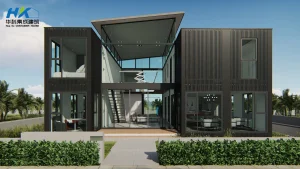
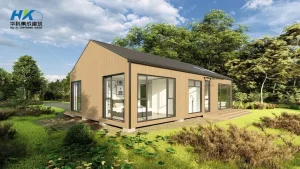
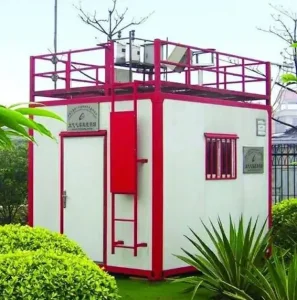
Explore expanded modular building systems, site guard rooms, luxury villas, and special-purpose equipment enclosures.
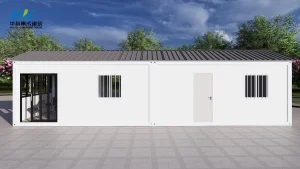
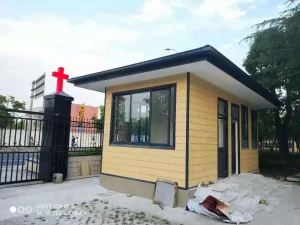
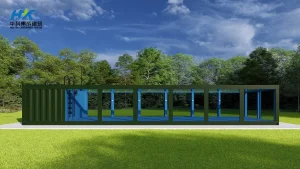
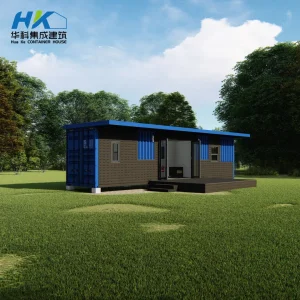
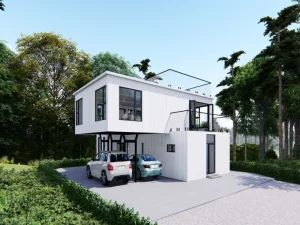
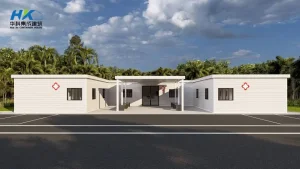
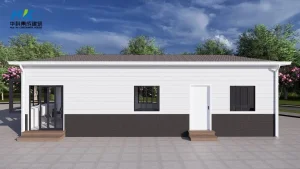
OEM Elegant Container Residences: Redefining Modern Living Factories, Pricelist
Wholesale Massive Luxury container house home Factory, Quotes
Wholesale 3*40ft modern architecture luxury container house with green roofs Product, Suppliers
OEM Fiberglass sandwich panel Monitoring cabin Factory, Factories
High-Quality Modular prefab light steel structure OSB prefabricated house . Factory, Pricelist
Custom Long Lasting Modular Amazing Luxury Modified Two Story Container House Pricelist, Suppliers