
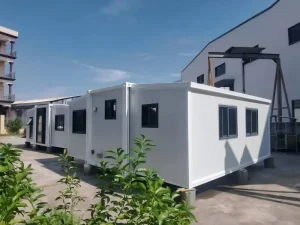
Factory-direct prefab trailer housing units optimized for fast transport, turnkey installation, and all-season resilience in the Netherlands.
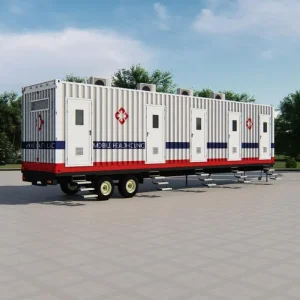
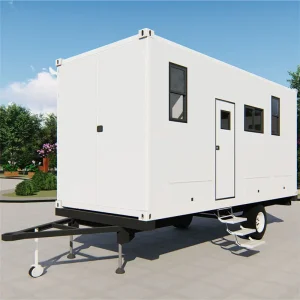
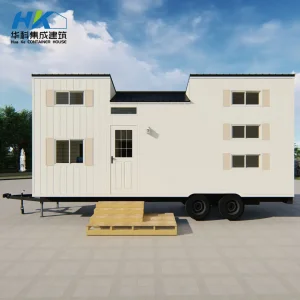
Navigating the Dutch housing shortage (Woningnood), environmental regulations (BBL), and the surge in temporary modular relocatable housing (*Flexwoningen*).
The Netherlands is currently undergoing one of the most intense structural housing shortages in Western Europe, with national targets requiring over 900,000 new homes built by 2030. Traditional brick-and-mortar construction in the Netherlands is constrained by strict nitrogen emission limits (*Stikstofcrisis*), prolonged land zoning procedures under the *Omgevingswet*, and elevated labor costs.
Consequently, trailer houses, towable tiny homes, and mobile expandable container units have evolved from niche recreational items into crucial commercial assets. Municipalities across Randstad regions (Amsterdam, Rotterdam, Utrecht, The Hague), agricultural developers, and leisure conglomerates (*recreatieparken*) are turning to factory-fabricated mobile trailer houses. These units offer off-site assembly, zero local construction emissions, and immediate relocation capabilities.
Supplying trailer houses to the Netherlands demands rigorous engineering alignment with Dutch national standards. The updated Besluit bouwwerken leefomgeving (BBL)—formerly known as *Bouwbesluit 2012*—enforces stringent rules regarding thermal performance, fire safety, and structural integrity.
Evaluating the economic efficiency, custom structural flexibility, and factory-level quality controls of direct Chinese manufacturing partnerships for European projects.
Direct factory procurement reduces unit costs by 35% to 50% compared to domestic European prefabricated builders. Freight efficiency is maximized through flat-pack container shipping or knock-down assembly kits, allowing up to 4 complete expandable trailer chassis homes to fit into standard 40ft High Cube containers bound for Rotterdam Port.
Leading manufacturers utilize 3D Building Information Modeling (BIM) to customize floor plans, MEP (Mechanical, Electrical, Plumbing) routing, window placements, and weight distribution. This guarantees seamless integration of Dutch-standard electric systems (230V/50Hz, NEN 1010 certification) and heat pump connections prior to export.
All structural steel components meet EN 1090-2 standards with factory production control (FPC). Wall panels, floorboards, and glass assemblies comply with REACH regulations and EU low-VOC emissions criteria, ensuring safe indoor air quality (*Binnenmilieu*) essential for residential permits in the Netherlands.
Shipping to the Netherlands relies primarily on direct sea routes from East Asian industrial ports (Ningbo-Zhoushan/Shanghai) straight to the Port of Rotterdam. By choosing modular expandable trailer chassis designed precisely to 40ft ISO shipping dimensions, Dutch buyers save up to €4,500 per unit in out-of-gauge (OOG) sea freight surcharges.
An in-depth look at chassis dynamics, wall insulation layers, energy systems, and weather-proofing technologies for Northern European conditions.
| Engineering Category | Standard Export Specification | Dutch Market Upgrade (BBL & RDW Option) |
|---|---|---|
| Chassis & Frame | Q235/Q355 Galvanized Steel C-Channel Chassis | Heavy-Duty Hot-Dip Galvanized Subframe (ISO 1461), Dual AL-KO Torsion Axles, Overrun Brakes, RDW Homologated |
| Wall Insulation | 75mm EPS / Rockwool Sandwich Panels (Rc ≈ 2.2) | 100mm High-Density Polyisocyanurate (PIR) / Spray PU Foam + Breather Membrane (Rc ≥ 4.7 m²K/W) |
| Roof & Floor Systems | 100mm Glasswool Insulation + PVC Vinyl Sheet | 120mm PIR Roof Board, EPDM Waterproof Membrane, Cement-Fiber Floor Base + Heavy-Duty Hydrophobic Vinyl |
| Fenestration (Windows/Doors) | Double-Glazed Aluminum Sliding Windows (5mm+9A+5mm) | Thermal Break Aluminum Frames, Triple-Glazed Low-E Argon-Filled Glass (U-value ≤ 1.0 W/m²K), Insect Screens |
| Electrical Infrastructure | Standard IEC Wiring (110V-240V) | Dutch NEN 1010 Compliant 230V Wiring, Pre-installed RCD Breakers, Schneider Electric Switches, IP65 Exterior Outlets |
| HVAC & Energy Systems | Split AC Unit Connection Ready | Air-to-Water Heat Pump (*Lucht-water warmtepomp*) Integration, Mechanical Ventilation with Heat Recovery (MVHR) |
Given the strict environmental goals in the Netherlands and net-zero energy demands (*Nul-op-de-Meter* / NOM), modern trailer houses are built solar-ready. Micro-grid photovoltaic systems featuring high-efficiency mono-PERC panels (450W+ each) coupled with rack-mounted Lithium Iron Phosphate (LiFePO4) storage units (10kWh - 30kWh) deliver fully self-sufficient power for off-grid holiday locations or remote construction sites.
High ambient humidity levels in the Netherlands can cause interstitial condensation if vapor barriers are mismanaged. Our engineering incorporates smart vapor-variable membranes (*klimaatfolie*) on the interior and ventilated rainwater screening (*geventileerde gevels*) on the exterior. Cladding options include Thermowood, composite bamboo, or fluorocarbon-coated metallic panels resistant to wind-driven North Sea moisture.
Tailored modular deployments across municipal housing, hospitality, retail, and industrial infrastructure.
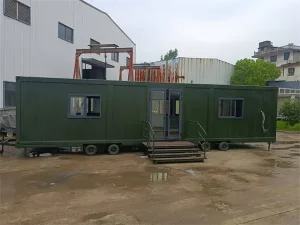
Rapidly deployable trailer houses and expandable homes designed for temporary residential parks (10–15 year site allocations). These communities provide urgent housing for students, young professionals (*starters*), and municipal priority groups without permanent land disturbance.
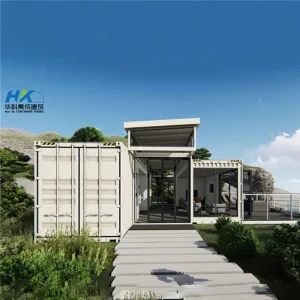
High-end mobile trailer caravans and natural wood-clad tiny homes engineered for holiday resorts across Gelderland, Overijssel, and Zeeland. Delivered fully furnished with Scandinavian interior styling, turnkey bathrooms, and panoramic double-glazed patio doors.
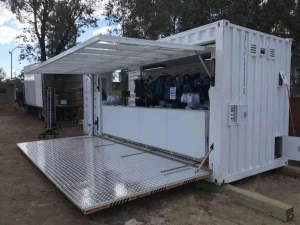
Mobile trailer shops, catering units, coffee kiosks, and site office cabins for agricultural, logistics, and marine construction hubs in the Port of Rotterdam and Schiphol Area. Features quick hydraulic or manual levelling systems for instant site setup.
A transparent end-to-end framework ensuring smooth customs clearance, site delivery, and long-term warranty protection.
When importing trailer houses into the Netherlands, goods are classified under HS Code 9406.90.90 (Prefabricated Buildings) or 8716.10 (Trailers and Semi-trailers for Housing/Camping). Our export department handles complete documentation, including:
We back our export-grade trailer houses with comprehensive factory warranties designed to give European developers complete peace of mind:
Versatile units tailored for commercial shops, mobile healthcare, labor accommodation, and modern residential developments.
Expert answers regarding Dutch building permits, road regulations, thermal insulation, and international sea logistics.
Consult with our senior modular engineering team today. Get full architectural drawings, BBL compliance specifications, factory-direct pricing, and door-to-door sea freight quotes to Rotterdam.