
Engineered to integrate seamlessly with Brazilian grid standards and distributed generation (GD) microgrid frameworks.


Brazil stands as the undisputed titan of solar energy adoption across Latin America, powered by exceptionally high solar irradiation levels ranging from 4,500 to 6,300 Wh/m²/day. However, executing utility-scale or distributed commercial solar procurement in Brazil requires a deep structural understanding of the regulatory evolution driven by ANEEL (Agência Nacional de Energia Elétrica) and the regulatory framework established under Marco Legal da Geração Distribuída (Law 14.300/2022).
The transition from net metering to a phased grid-fee structure (TUSD Fio B) has shifted commercial user intent. Investors and enterprise EPCs no longer seek just low nominal panel pricing; they demand high-efficiency, N-type TOPCon and Heterojunction (HJT) module configurations capable of maximizing energy yield per square meter, lowering Levelized Cost of Energy (LCOE), and optimizing return on investment (ROI) within the Group B and Group A industrial tariff categories.
Overcoming humidity, intense UV degradation, high operating temperatures, and coastal salt-spray conditions across Brazil's diverse geographic biomes.
Transitioning from traditional P-type PERC to N-type TOPCon allows temperature coefficients as low as -0.30%/°C. In regions like Northeast Brazil where ambient temperatures exceed 40°C, N-type technology recovers up to 3.5% more annual power output compared to legacy panels.
Deploying dual-glass bifacial modules yields up to 25% rear-side power gain on high-albedo surfaces like concrete plant roofs or white-pebble ground mounts. Dual-glass encapsulation completely eliminates moisture ingress and micro-cracking caused by heavy tropical rainfall.
Combining Tier-1 PV modules with containerized LiFePO4 Battery Energy Storage Systems (BESS) provides seamless peak shaving during peak tariff hours (Horário de Ponta) and robust back-up power during utility outages.
From remote Amazonian industrial outposts to massive agribusiness hubs in the Cerrado, custom solar hardware solves critical energy bottleneck challenges.
Agribusiness accounts for a vast portion of Brazil's GDP. Diesel generation for center-pivot irrigation systems poses immense OPEX burdens. Custom off-grid solar panel quotes bundled with containerized inverter platforms allow farm operators in Mato Grosso and Goiás to automate day and night irrigation through hybrid PV-BESS systems, reducing diesel consumption by up to 85%.
Logistics hubs, shopping malls, and manufacturing plants across São Paulo, Minas Gerais, and Rio de Janeiro utilize On-Grid Distributed Generation under zero-investment Power Purchase Agreements (PPA). We deliver ultra-lightweight glass-transparent or high-wattage 600W+ bifacial modules engineered to comply with structural roof weight restrictions.
Securing hassle-free customs clearance at Port of Santos or Paranaguá requires strict adherence to Brazil’s stringent quality protocols.
Importing solar modules into Brazil requires absolute alignment with INMETRO (Instituto Nacional de Metrologia, Qualidade e Tecnologia) standard Portaria 140/2022. Modules entering the Brazilian market without valid INMETRO registration seals face severe customs delays, administrative fines, or total rejection at the border.
Our solar products undergo rigorous test protocols in ILAC-accredited laboratories, ensuring every batch holds active INMETRO certification ratings (Class A Efficiency), IEC 61215, IEC 61730, and salt mist corrosion testing (IEC 61701) essential for coastal installations in Ceará or Rio Grande do Norte.
| Certification / Regulation | Scope & Standard | Brazil Market Requirement |
|---|---|---|
| INMETRO Seal | Portaria 140/2022 | Mandatory for all imported PV panels |
| IEC 61215 / 61730 | Design & Safety Qualification | Required for utility grid-tie approvals |
| IEC 61701 | Salt Mist Corrosion Resistance | Critical for coastal deployments |
| ISO 9001 / 14001 | Smart Manufacturing QA | Ensures bankability & operational lifespan |
Unlocking unprecedented cost-efficiency, automated quality control, and direct factory-to-port logistics for Brazilian solar developers.
Every module undergoes 100% triple Electroluminescence (EL) inspection prior to lamination and framing. Automated optical recognition eliminates micro-cracks, soldering flaws, and cell mismatches before sea-freight shipment.
Through strategic partnerships with global ocean carriers, solar modules and modular power shelters are packed using reinforced high-density wooden crates and moisture-proof vacuum wrapping to withstand long transits to Santos, Navegantes, and Paranaguá.
We provide tailormade frame colorations, custom cable lengths, specialized MC4 connectors, and co-branded junction boxes tailored to meet specific Brazilian EPC project blueprints and technical submittals.
In large-scale photovoltaic projects across Brazil, the initial CAPEX for solar modules accounts for a significant portion of project expenditure. However, procuring lower-grade modules with higher degradation rates drastically harms long-term financial yield.
By partnering directly with integrated smart manufacturers, project developers secure Tier-1 grade materials backed by 12-year product warranties and 30-year linear power output performance guarantees. Lower degradation rates (<0.4% annually for N-type) directly reduce the LCOE by up to $0.008/kWh, accelerating project payback (Payback Period) down to 3.2–4.5 years depending on the regional distributor tariff structure.
*Data verified via third-party flash testing report and IEC certification standards.
Expert insights on regulatory compliance, logistics, warranty claim procedures, and product customization.
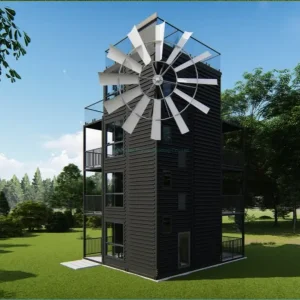
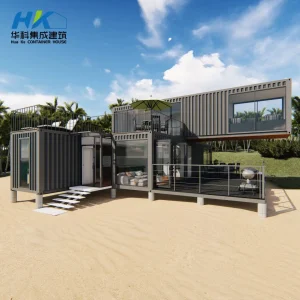
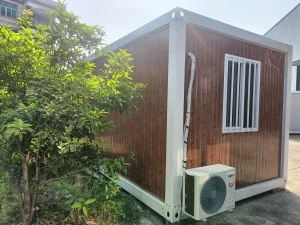
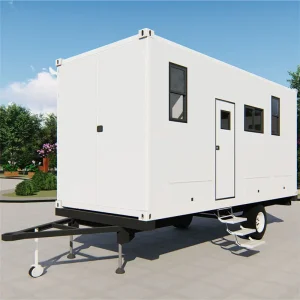
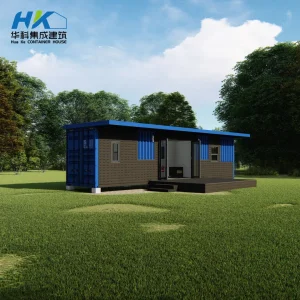
Explore our full line of export-ready containerized spaces and modular platforms for the South American market.



Connect with our technical engineering sales team today for INMETRO-aligned specifications, factory-direct wholesale pricing, and containerized logistics solutions.
Send Inquiry Now