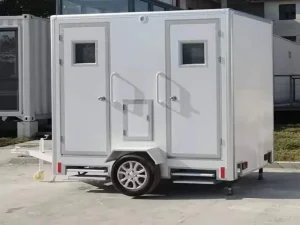
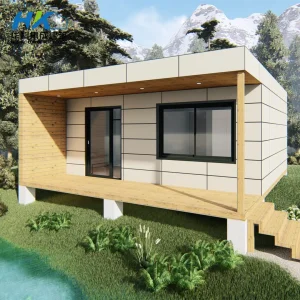
Engineered to ISO 668 & EN 1090 standards for immediate deployment across residential, commercial, and industrial sites.
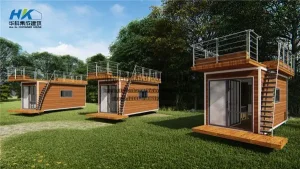
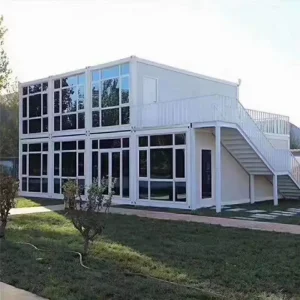
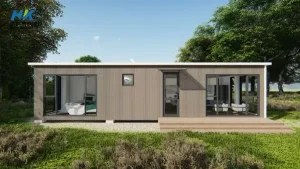
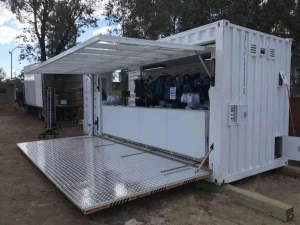
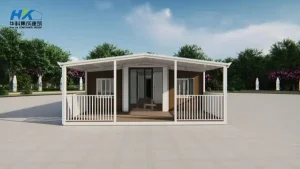
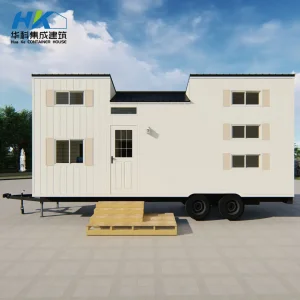
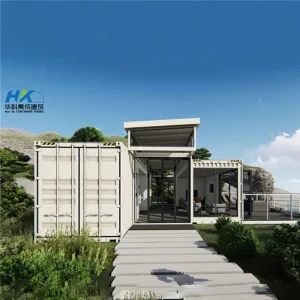
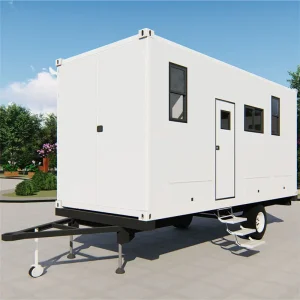
The global construction industry is experiencing a seismic shift toward Off-Site Manufacturing (OSM) and Modular Prefabrication. Quick assembly container houses represent the pinnacle of structural optimization, accelerating project completion cycles by 70% to 85% compared to traditional reinforced concrete building methodologies.
Modern quick assembly container units utilize high-tensile cold-formed galvanized steel profiles (Q235B to Q355B structural grades). The primary load-bearing corner columns and transverse beams undergo automated CNC laser cutting, roll-forming, and robotic welding. For heavy-duty ISO modified shipping containers, anti-corrosive SPA-H Corten steel plates (2.0mm to 3.0mm thickness) provide unmatched structural elasticity against lateral shear forces and wind shear stresses exceeding 170 km/h (equivalent to Category 12 hurricanes).
A critical flaw in historical container conversions was condensation accumulation driven by thermal bridging across steel members. Advanced factory prefabrication integrates high-density Polyisocyanurate (PIR) or Closed-Cell Spray Polyurethane Foam (SPF) continuous envelope insulation, incorporating non-conductive structural spacers that yield U-values as low as 0.18 W/m²K—perfect for Arctic cold (-40°C) or desert heat (+50°C).
| Structural Subsystem | Material Specification | Performance Standard | Engineering Compliance |
|---|---|---|---|
| Primary Frame | Q355 Hot-Dip Galvanized Steel (Z275 Coating) | Yield Strength ≥ 355 MPa | EN 1090-2, AISC 360 |
| Wall Panels | 75mm-150mm High-Density Rockwool / PIR Sandwich Panel | Fire Resistance Class A1 (120 Mins) | ISO 1182, ASTM E84 |
| Corner Castings | Cast Steel SCW480 (ISO 1161 Standard) | Stacking Capacity: 9 High (190,000 kg) | ISO 1496-1 |
| Roof System | Double-Seamed Corrugated Steel + PU Core + Drain Gutter | Live Load: 1.5-3.0 kN/m² | IBC 2021, AS/NZS 1170 |
China accounts for over 80% of global prefabricated steel and container housing production. Understanding the industrial supply chain cluster in hubs like Jiangxi, Shandong, and Guangdong unlocks substantial strategic purchasing leverage.
Chinese OEM factories reside inside fully integrated industrial clusters where raw steel mills (Baosteel, Ansteel), galvanization facilities, paint mills, and modular hardware suppliers are located within a 50km radius. This drastically minimizes internal logistics overheads and lead times.
Leading manufacturers like HK Prefab operate multi-spindle CNC automated roll-forming lines, fiber laser cutting heads, and 6-axis robotic welding cells. This eliminates human assembly tolerances, assuring +/- 1mm accuracy on structural frame interlocking points.
Reputable Chinese suppliers adhere strictly to international building standards. Raw materials carry ISO Mill Test Certificates (MTC), while finished units receive CE marking, ETL/UL electrical compliance, and WaterMark plumbing certifications for seamless global customs clearance.
Addressing macro socioeconomic challenges—ranging from housing shortages and rapid urbanization to remote resource extraction camps and eco-tourism expansion.
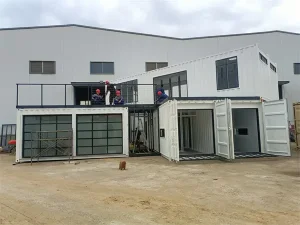
Municipal bodies and real estate developers face unprecedented pressure to deliver affordable housing units. Flat-pack quick assembly container houses provide a scalable, turnkey answer. Packaged 4-units-in-1 ISO bundle shipping allows 75% savings on freight, enabling fast assembly of multi-family modular communities within weeks of port discharge.
Resource extraction projects located in desert, arctic, or tropical environments demand heavy-duty accommodation camps capable of resisting severe weather. Quick assembly expandable containers and equipment shelters come pre-integrated with HVAC systems, fire suppression, off-grid solar kits, and sanitary wet pods for heavy industrial use.
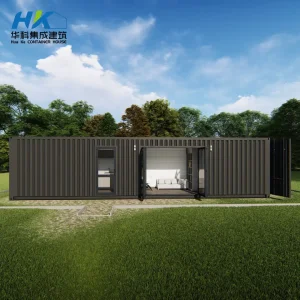
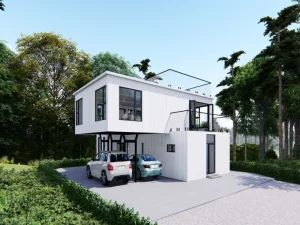
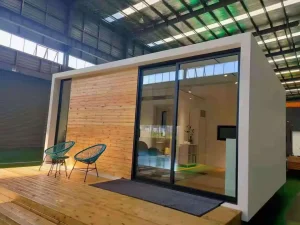
Boutique hotel developers and eco-resort operators leverage customized modified shipping container villas and expandable glass-façade shops. Because container units require lightweight screw-pile foundations, they preserve local flora and fauna, permitting development inside environmentally protected scenic zones.
| Procurement Vector | Flat-Pack Container Units | Expandable Container Homes | Modified ISO Shipping Homes |
|---|---|---|---|
| Primary Target Market | Worker Camps, Temporary Offices | Residential Homes, ADUs, Relief Units | Luxury Villas, Hotels, Cafes |
| Installation Time / Unit | 2 Hours (4 Workers) | 15 Minutes (2 Workers) | Instant (Plug & Play) |
| Shipping Efficiency | High (4 Units per 40ft HQ SOC) | Medium (1 Unit per 40ft HQ) | Standard Freight Unit |
| Customization Level | Standardized Modular Grid | Pre-fitted Electrical & Plumbing | Full Architectural Bespoke |
Analyzing global climate adaptation strategies, green building trends, and smart modular integration.
Modern container products integrate micro-inverter rooftop solar systems, lithium energy storage batteries (BESS), and rainwater filtration units, creating completely self-sustaining off-grid shelters aligned with global ESG directives.
Prefab homes now feature factory-installed IoT control hubs—allowing remote climate management, automatic leak detection, smart lock access, and energy metering tailored for modern short-term holiday rental management.
Structural engineering options cater to localized codes: high-pitched roof trusses for heavy North American snow loads, double-coated anti-salt finishes for island environments, and hurricane tie-downs for coastal regions.
Detailed insights provided by our structural engineering and international trade compliance teams.
Customizable residential villas, commercial trailers, and expandable modular structures designed for global deployment.