How to Choose the Best Capsule House for Global Buyers?

Time:2026-10-13 Author:Ethan
0%

Choosing the best Capsule House for global buyers requires more than comparing attractive renders and advertised floor areas. A reliable decision begins with climate, building codes, transport routes, and long-term operating costs. The market is growing, but growth does not guarantee quality. McKinsey & Company estimated that modular construction could become a USD 130 billion market in Europe and the United States, while identifying major gains in speed, cost control, and factory production. These benefits depend on disciplined design and manufacturing standards. Projections are not promises.

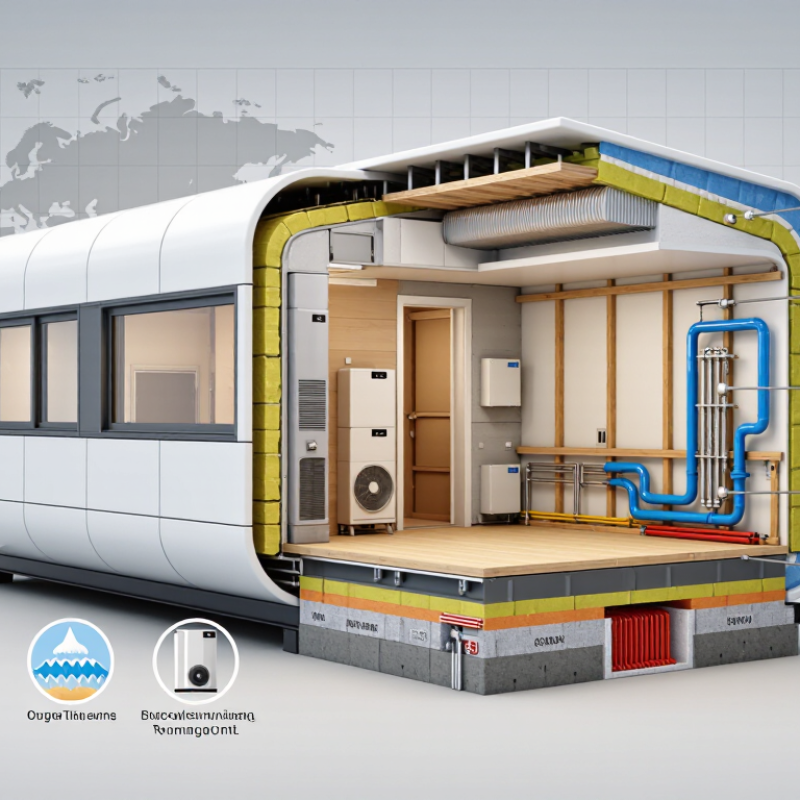
Energy performance deserves close attention. The 2023 Global Status Report for Buildings and Construction, published by UNEP and the Global Alliance for Buildings and Construction, reported that buildings and construction consumed about 34% of global energy and produced approximately 37% of energy-related and process emissions in 2022. A small house with poor insulation can still create high expenses. Check wall thickness, window specifications, airtightness, ventilation, and heating or cooling requirements. Touch the interior surfaces, if possible. Details matter.

Buyers should also verify structural calculations for local wind, snow, seismic, and moisture conditions. A coastal site may require corrosion-resistant fixings, while a cold region needs protected plumbing and stronger thermal insulation. Confirm fire-safety documentation, electrical compatibility, plumbing standards, warranty coverage, spare-part access, and installation responsibilities. Local approval remains essential, because one design cannot satisfy every jurisdiction. The International Code Council and ISO standards can guide evaluation, but local authorities make the final decision. A beautiful unit may still be unsuitable. This is where careful comparison, independent inspection, and transparent supplier records protect the investment.
How to Choose the Best Capsule House for Global Buyers?

Define Capsule-House Needs Using 2024 Global Modular-Housing Growth Data

How to Choose the Best Capsule House for Global Buyers?

In 2024, global modular-housing reports showed continued market growth, but estimates varied by region and definition. Some reports measured factory-built homes, while others included temporary units. This difference matters. Buyers should study local demand, not rely on one impressive percentage. In my experience, a capsule house works best when its size matches the intended use. A compact guest room needs different insulation from a year-round family home. Check floor area, sleeping capacity, storage, ventilation, and maintenance access before comparing prices.

Climate should guide the specification. A coastal site may need stronger corrosion protection, while a cold region requires tested insulation and heating efficiency. Confirm local building approvals, electrical standards, fire safety rules, and transport limits with qualified professionals. Modular construction can shorten installation time, but land preparation may still cause delays. This is often overlooked. Also, projected market growth does not guarantee resale value or reliable local servicing.

Tips: Create a simple needs sheet before contacting suppliers. Record location, climate, occupancy, budget, delivery route, and expected service life. Request test documents and a detailed warranty. Ask who handles installation and repairs locally. Compare total ownership cost, not only the factory price. A cheaper unit may need costly foundations or imported replacement parts. I would also leave a small contingency budget, because early estimates are rarely perfect. Recheck every assumption.

Compare Floor Plans, Materials, and Space Efficiency in Square Meters

How to Choose the Best Capsule House for Global Buyers?

Compare Floor Plans, Materials, and Space Efficiency in Square Meters

For global buyers, compare capsule houses by usable square meters, not advertised dimensions alone. A practical review begins with the floor plan. An 18-square-meter unit may fit a bed, compact bathroom, and kitchenette. However, door swings and built-in cabinets can reduce movement space. A 24-square-meter layout usually allows clearer zones for sleeping, cooking, and working. At 36 square meters, a small family may gain better storage and privacy. Measure every area carefully. Space disappears quickly.

Materials strongly affect comfort, maintenance, and long-term value. A galvanized steel frame can provide structural stability when properly protected against moisture. Insulated wall panels help control indoor temperatures in both cold and hot regions. Wood surfaces create warmth, but they need suitable sealing in humid climates. Large windows improve daylight, yet they may increase heat gain without quality glazing and shading. Ask for documented insulation values, corrosion protection, and material warranties. Do not rely on appearance alone.

Efficiency also depends on climate, transport limits, and local installation conditions. Check ceiling height, furniture dimensions, plumbing access, and ventilation routes before ordering. Confirm that the design can meet local building, fire, and energy requirements. A beautiful plan may fail in practice if maintenance access is ignored. This is an area worth questioning. Some published layouts look efficient, but their storage is too limited for real daily life. Reliable suppliers should provide detailed drawings, material specifications, and inspection records.

Verify Structural Safety Against Local Wind, Snow, and Seismic Design Loads

Choosing the Best Capsule House for Global Buyers?

A capsule house must resist local forces, not just look aerodynamic. ASCE 7-22 requires site-specific wind, snow, rain, and seismic design parameters. Its criteria change with building risk, height, exposure, and location. A coastal module may face stronger gusts and salt corrosion than an inland unit. Check the stated basic wind speed, terrain category, and exposure classification. Do not accept “universal design.”

Snow can become uneven and dangerous. EN 1991-1-3 separates ground snow loads from roof effects, including drifting near parapets and higher roofs. A flat capsule roof may collect wet snow around vents or equipment. One cubic metre of fresh snow can weigh roughly 100 kilograms, while wet snow may exceed 300 kilograms. That difference is easy to underestimate. Ask for roof-load calculations, not attractive renderings.

Seismic safety needs more than a strong steel frame. The USGS 2023 National Seismic Hazard Model provides updated ground-motion estimates across the United States, while EN 1998-1 defines earthquake design principles in Europe. Request structural drawings, connection details, anchorage calculations, and foundation reactions for the exact site. A qualified local engineer should review them. Factory testing helps, but it cannot replace soil data. Honestly, many buyers overlook this step. That is where expensive mistakes begin. Inspect bolts, welds, drainage paths, and corrosion protection before installation.

Check Energy Performance, Fire Ratings, and ISO 14001 Manufacturing Practices

Global buyers should judge a capsule house by measured performance, not attractive renderings. Ask for thermal transmittance values for walls, roofs, windows, and doors. Lower U-values usually mean less heat loss. Check insulation thickness and thermal bridges around steel frames. These small gaps can create cold interior surfaces and condensation.

Fire safety needs equal attention. Request tested reaction-to-fire ratings for panels, insulation, sealants, and interior finishes. Confirm whether the testing standard matches the destination country’s building rules. A certificate alone is not enough. Review its scope, test date, laboratory, and product description. I would also ask how emergency exits, smoke detection, and electrical protection are designed. Details matter here.

Tips: Visit the factory remotely or in person. Observe material storage, assembly records, and quality checks. Ask for batch traceability and recent corrective-action reports. For ISO 14001 manufacturing, verify a current certificate and its certification body. Then examine practical evidence: waste separation, water-use controls, energy monitoring, and documented environmental objectives. ISO 14001 does not automatically make a house sustainable. It shows a managed environmental system, which still requires honest performance data. No checklist is perfect. Local climate, transport distance, installation quality, and maintenance can change the final result. A careful buyer should compare documents with physical samples and request independent inspection before payment.

Evaluate Delivered Cost, Warranty Terms, Installation Time, and Logistics Risks

How to Choose the Best Capsule House for Global Buyers?

Delivered cost matters more than the factory quotation. Ask for a complete landed-cost estimate, including packaging, ocean freight, insurance, customs duties, port charges, inland transport, and unloading. A low unit price can become expensive after a crane, storage, or road permit is added. Request the delivery term in writing. Also confirm which party handles damage claims and import documents. I once underestimated final-mile transport for a remote site. That estimate was incomplete.

Warranty terms need practical details, not broad promises. Check the coverage period for structure, windows, electrical systems, plumbing, and appliances. Ask whether labor, replacement parts, and travel expenses are included. Reliable suppliers should provide inspection records, serial numbers, and a clear claim procedure. Response time matters when a leaking pipe affects a guest room. Read every exclusion. Harsh weather may change coverage.

Installation time depends on more than factory readiness. Confirm the foundation requirements, utility connections, site access, crane capacity, and local inspection schedule. Request a step-by-step installation plan with responsible parties. A house may arrive in ten days but remain unused for weeks. Logistics risks deserve equal attention. Check port congestion, seasonal storms, route restrictions, and temporary storage options. Build a realistic buffer. Plans often look cleaner than real sites.

FAQS

How should buyers define their capsule-house needs?

Match the unit to its intended use. A guest room differs from a year-round family home. Check floor area, sleeping capacity, storage, ventilation, and maintenance access. My first estimate may still be wrong.

Can global modular-housing growth predict a good purchase?

Not reliably. Reports may measure different housing categories or temporary units. Study local demand instead of trusting one impressive percentage. Market growth does not guarantee resale value or servicing.

How does climate affect capsule-house specifications?

Climate should guide insulation, heating, and exterior protection. Coastal locations may require stronger corrosion resistance. Cold regions need tested insulation and efficient heating. Small thermal gaps can cause condensation.

What local requirements should buyers confirm?

Confirm building approvals, electrical standards, fire rules, and transport limits. Use qualified local professionals for these checks. Land preparation may delay installation. That detail is often overlooked.

How can buyers compare the real cost?

Compare total ownership cost, not only the factory price. Include foundations, transport, installation, repairs, and replacement parts. A cheaper unit may need imported components. Keep a contingency budget.

What energy-performance documents should buyers request?

Request thermal transmittance values for walls, roofs, windows, and doors. Lower U-values usually indicate less heat loss. Ask about insulation thickness and steel-frame thermal bridges. Review physical samples when possible.

What fire-safety evidence matters?

Request tested fire ratings for panels, insulation, sealants, and finishes. Check whether testing matches destination-country rules. Review the certificate scope, test date, laboratory, and product description. Also inspect exits, smoke detection, and electrical protection.

How should buyers evaluate manufacturing and environmental practices?

Verify a current ISO 14001 certificate and its certification body. Look for waste separation, water controls, energy monitoring, and environmental targets. The certificate alone proves limited performance. Practical evidence matters more.

What should buyers check before making payment?

Request a detailed warranty and clear local repair responsibilities. Ask for batch traceability and corrective-action records. Consider an independent inspection before payment. No checklist is perfect.

Conclusion

Choosing the best Capsule House for global buyers begins with clearly defining your needs and reviewing 2024 global modular-housing growth data to understand market direction, applications, and regional preferences. Compare floor plans by usable square meters, layout flexibility, natural lighting, storage, and space efficiency. Materials should be assessed for durability, maintenance requirements, climate suitability, and transportation performance. Before purchase, verify that the structure is designed for local wind, snow, and seismic loads, with documentation from qualified professionals.

Buyers should also examine insulation, energy performance, fire ratings, ventilation, and the manufacturer’s ISO 14001 environmental management practices. A reliable decision requires evaluating the complete delivered cost, including transportation, customs, foundation work, utilities, installation, and possible site preparation. Review warranty coverage, exclusions, after-sales support, expected installation time, and logistics risks such as delays or difficult access. By comparing technical evidence, lifecycle value, and delivery reliability, buyers can select a safe, efficient, and practical Capsule House for their specific market and site conditions.


Ethan

Ethan

Ethan is a seasoned marketing professional with a deep expertise in our company's innovative product line. With a passion for sharing knowledge and insights, he takes the lead in regularly updating our corporate blog, where he explores industry trends, product features, and effective marketing......