2026 Top Green House Types for Global Buyers

Time:2026-10-03 Author:Mason
0%

Choosing the right Green House in 2026 requires more than comparing prices or frame sizes. Global buyers must match structure, climate, crops, labor, and available technology. A coastal farm may need corrosion-resistant steel and strong ventilation. A dry inland site may prioritize shade systems, water recycling, and thermal screens. In colder regions, insulation and heating efficiency can decide profitability.

Dr. A.J. Both, a respected greenhouse engineering specialist, states, “A greenhouse is a tool for managing the plant environment.” This principle remains practical for commercial growers. Buyers should examine the full system, not only the covering material. Important details include roof design, air circulation, irrigation control, energy demand, crop support, and maintenance access. Local installation experience also matters. A technically advanced house can underperform when workers cannot repair its controls.

This guide reviews the leading Green House types for international buyers, including glass, polycarbonate, plastic-film, and high-tech controlled-environment models. Each option offers advantages, limitations, and different ownership costs. No single design suits every market. That is the uncomfortable truth. Climate data may be incomplete, energy prices may change, and supplier promises deserve careful checking. Buyers should request tested specifications, project references, warranty terms, and realistic production assumptions. Details matter. A reliable decision connects engineering evidence with daily farming experience. It also leaves room for adjustment, because even a well-designed greenhouse can reveal weaknesses after its first difficult season.
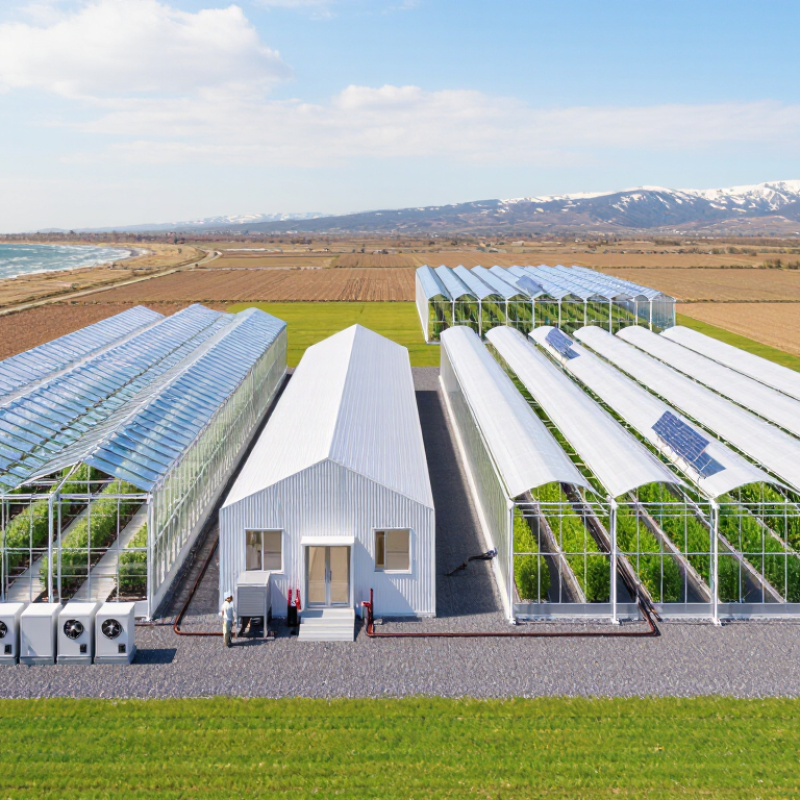
2026 Top Green House Types for Global Buyers

What Defines a Modern Greenhouse in 2026

2026 Top Greenhouse Types for Global Buyers

What Defines a Modern Greenhouse in 2026

A modern greenhouse is more than glass, steel, and heating pipes. It is a measured growing environment. Temperature, humidity, light, root-zone moisture, and carbon dioxide are tracked continuously. The structure may use glass, polycarbonate, or high-performance film. Material choice depends on climate, crop value, and maintenance skills. The goal is stable plant performance, not maximum gadget density.

Water efficiency is now a core design requirement. FAO AQUASTAT reports that agriculture uses about 70% of global freshwater withdrawals. Recirculation tanks, leak sensors, filters, and precise drip irrigation can reduce waste. Water should move visibly through the system. This makes faults easier to find.

Climate control matters equally. Ventilation screens, thermal curtains, heat pumps, and solar shading help manage sudden weather changes. The IPCC Sixth Assessment Report identifies increasing heat and drought risks for food production. One greenhouse template cannot fit every region.

Data adds value only when trained staff can use it. Sensors need calibration. Software can still be wrong. Practical assessments often show that simple alarms outperform crowded dashboards during busy harvests. Buyers should request energy, water, and yield records from comparable climates, rather than trusting attractive projections.

Local electricity prices, labor availability, and repair access can change the financial result. Modern does not mean flawless. It means visible performance, repairable systems, and decisions grounded in evidence.

Main Greenhouse Types and Their Structural Differences

2026 Top Green House Types for Global Buyers

Main Greenhouse Types and Their Structural Differences

Global greenhouse demand continues to expand. Grand View Research valued the market at about USD 32.3 billion in 2022. It forecasts a 10.2% compound annual growth rate through 2030. MarketsandMarkets projects greenhouse horticulture to rise from USD 36.7 billion in 2023 to USD 57.3 billion by 2028. These figures show opportunity, but structure still determines daily performance.

Glass greenhouses provide strong light transmission and long service life. Their rigid frames support automation, heating pipes, and suspended crop systems. They also require stronger foundations and higher transport costs. Polycarbonate panels are lighter and resist impact better. Twin-wall sheets add insulation through internal air channels. However, their light transmission may decline as surfaces age.

Film greenhouses use flexible polyethylene coverings over steel or aluminum frames. They cost less and suit seasonal production, but coverings need replacement. High tunnels are simpler, often without heating or mechanical ventilation. They work well for vegetables and small farms. Gutter-connected houses share walls and foundations, improving land efficiency. Sawtooth designs use raised roof vents for passive heat release. Gothic arches shed rain and snow more effectively than basic hoop frames.

Regional weather changes the answer. A low-cost film house may fail under strong snow or coastal winds. A glass structure may be excessive in a hot, dry market. Even experienced buyers sometimes overvalue appearance. Load calculations, ventilation testing, and local maintenance skills deserve more attention. USDA NRCS high-tunnel guidance also stresses site selection, anchoring, drainage, and wind exposure before installation.

Climate Control Systems for Global Growing Conditions

A climate-controlled greenhouse must respond to local weather, crop needs, and daily operating realities.
In hot, humid regions, roof vents, circulation fans, and external shade reduce heat buildup. In dry climates, evaporative cooling can lower temperatures, but it increases water demand. Cold regions may require thermal screens, insulated panels, and root-zone heating during freezing nights.
Weather decides.

Global buyers should select sensors for air temperature, humidity, light, wind, and growing-media moisture.
Controllers can adjust vents, fans, screens, irrigation, and heating throughout the day. However, automatic systems still need a manual override. Internet failures happen. Sensors also drift. Place them at crop height, away from heaters and direct sunlight.
A lettuce house needs different humidity control than a tomato house. Excessive misting may keep leaves fresh, yet it can encourage disease.
This detail is easy to miss.

Energy and water efficiency deserve equal attention.
Heat pumps, thermal storage tanks, and rainwater collection can reduce operating pressure when properly sized. Desert dust may block screens and reduce fan performance. Coastal air can accelerate corrosion. Snow can restrict roof movement and ventilation.
Small errors become expensive.
No climate plan is perfect. Growers should test settings across one full season, record crop responses, and revise the control strategy before expanding.

Sustainable Materials, Energy Use, and Water Management

Global buyers are choosing greenhouse designs that fit local climates, not simply attractive structures. A cold-region glass house may capture winter sunlight, while a hot-climate polycarbonate house needs shade, airflow, and reflective screens. Recycled steel frames can reduce material waste, but transport distances still affect their environmental footprint. Certified timber offers another option when humidity protection and responsible sourcing are verified. No material is perfectly green.

Energy performance begins with the building envelope. Double-layer panels, insulated foundations, and thermal curtains can reduce heat loss during cold nights. Natural roof vents may lower cooling demand before mechanical systems start. Efficient heat pumps can support stable temperatures, yet their benefits depend on electricity sources and maintenance. I have seen poorly sealed doors waste more energy than expected. Small leaks matter. Buyers should request measured energy data, not only estimated savings.

Water management deserves equal attention. Gutters can collect rainwater from the roof, while covered tanks limit evaporation and contamination. Drip irrigation delivers water near plant roots, reducing wet pathways and runoff. Reuse systems may circulate drainage water, but filters and regular testing are essential. Salt buildup can quietly damage crops. Designers should also plan overflow routes for intense storms and follow local water regulations. These choices cost more upfront in some regions, and the payback is not always immediate. Still, practical monitoring often reveals savings that design brochures miss.

How to Choose the Right Greenhouse for Your Market

2026 Top Green House Types for Global Buyers

Choosing a greenhouse should begin with your market, not a catalog photograph. Identify the crop, selling season, local climate, and available labor before comparing structures. A low-cost tunnel greenhouse may suit dry regions and seasonal vegetables. A multi-span house can improve land use and climate control for larger operations. In cold or high-radiation areas, stronger frames and durable covering materials may justify higher costs.

Local weather data matters more than general climate labels. Check wind speed, snow load, summer heat, humidity, and water quality. A humid market may need roof ventilation, insect screening, and disease-resistant growing practices. A hot market may require shade systems, cooling pads, or reflective covering. Glass can provide excellent light, while polycarbonate offers practical insulation and impact resistance. Each option has limits.

Do not ignore the selling side. Buyers seeking premium tomatoes may value precise temperature control and clean presentation. Local vegetable markets may prioritize affordable construction and simple repairs. Ask whether replacement films, motors, sensors, and skilled technicians are available nearby. Request performance records from similar climates, not only laboratory claims. I would not pretend every project can be predicted perfectly. A small trial greenhouse can reveal labor problems, energy costs, and crop reactions before full expansion. That extra step may feel slow, but poor assumptions become expensive later.

2026 Top Green House Types for Global Buyers - How to Choose the Right Greenhouse for Your Market

A practical comparison of common greenhouse and protected-cultivation structures by climate, crop, investment level, and market requirements.

Greenhouse Type Typical Covering Best Climate and Weather Conditions Recommended Market and Scale Suitable Crops Climate-Control Potential Main Advantages Main Limitations Typical Covering Service Life Best Buyer Profile
High Tunnel / Hoop House Single or double layer polyethylene film over galvanized steel hoops Temperate, dry, and mild climates; suitable for shoulder-season production. Requires structural reinforcement in heavy snow or high-wind regions. Small farms, market gardens, nurseries, and entry-level commercial production Leafy greens Tomatoes Cucumbers Cut flowers Low to moderate; mainly natural ventilation, irrigation, and optional heating Low initial complexity, fast installation, flexible sizes, and good protection from rain, wind, and light frost Limited insulation and automation; lower resistance to extreme snow, wind, and tropical storms unless specially engineered Commonly about 3–5 years for agricultural polyethylene film, depending on UV exposure and film quality Buyers prioritizing affordability, simple operation, and seasonal production
Gothic Arch Greenhouse Single or double polyethylene film, sometimes combined with insect netting and thermal screens Cold, temperate, and snow-prone areas; the steep roof improves snow shedding compared with basic round hoops Small to medium commercial farms and growers seeking extended or year-round production Tomatoes Peppers Strawberries Nursery plants Moderate to high; compatible with heating, ventilation, screens, fertigation, and environmental sensors Improved headroom, better snow shedding, efficient rainwater drainage, and good compatibility with hanging crops Higher material and installation cost than a basic hoop house; performance depends on anchoring and local engineering Typically about 3–5 years for polyethylene film; steel framing can last much longer with proper corrosion protection Buyers in temperate or cold regions needing a cost-conscious structure for longer production seasons
Multi-Span Plastic-Film Greenhouse UV-stabilized polyethylene film, often with inflatable double-layer covering Temperate, Mediterranean, subtropical, and selected tropical areas when ventilation and shading are properly designed Medium to large commercial farms, cooperatives, and export-oriented growers Tomatoes Cucumbers Peppers Leafy greens Flowers High; suitable for automated ventilation, cooling pads, heating, screens, fertigation, and climate monitoring Efficient land use, lower cost per covered area than many rigid systems, and suitable for commercial automation Gutters and connected spans can increase humidity and disease risk; film replacement and snow-load design require planning Typically about 3–5 years for polyethylene film; double-layer systems may require regular pressure and maintenance checks Commercial buyers seeking a balance between investment, production capacity, and automation
Twin-Wall Polycarbonate Greenhouse Multiwall polycarbonate panels with aluminum or galvanized steel framing Cold, temperate, windy, and hail-prone regions; also useful where improved insulation is more important than maximum light transmission Schools, research facilities, urban growers, garden centers, and small to medium professional operations Seedlings Herbs Vegetables Ornamental plants Moderate to high; compatible with heating, roof vents, shading, supplemental lighting, and automated irrigation Better insulation than single-layer glass or film, good impact resistance, and relatively stable indoor temperatures Higher upfront cost than polyethylene; panels can accumulate dust, algae, or condensation if detailing and maintenance are poor Commonly about 10–20 years for quality panels, depending on UV protection, installation, cleaning, and climate Buyers who need durability and insulation without the weight and cost of a full glasshouse
Commercial Glasshouse Tempered or horticultural glass in a steel or aluminum structure Cool, temperate, and high-light regions; requires shading and cooling systems in hot climates Large commercial farms, research centers, high-value crop producers, and controlled-environment operations Tomatoes Cucumbers Roses Orchids Propagation plants Very high; supports advanced ventilation, heating, cooling, screens, CO₂ management, lighting, and hydroponics High light transmission, long covering life, strong automation potential, and consistent production conditions High capital cost, heavy structure, greater foundation requirements, and risk of glass breakage from impact or improper handling Glass can last for decades when maintained; seals, vents, hardware, and structural coatings require periodic replacement or servicing Buyers targeting premium crops, year-round output, and high levels of environmental control
Shade House / Insect-Net House Shade cloth, insect netting, or a combination of both over a steel or aluminum frame Hot, sunny, tropical, subtropical, and dry climates; not intended for frost protection or fully controlled temperatures Nurseries, seedling producers, tropical farms, organic growers, and low-energy protected-cultivation projects Seedlings Herbs Leafy greens Flowers Fruit nurseries Low to moderate; provides shading and pest exclusion but usually does not provide heating or complete climate control Low energy demand, reduced solar stress, improved pest protection, and good airflow in hot climates Limited protection from heavy rain, cold, frost, and strong storms; shade percentage must match the crop and location Commonly about 3–8 years for netting or shade cloth, depending on UV exposure, wind, and handling Buyers in hot climates who need cooling, pest exclusion, and lower operating costs rather than full temperature control
Climate-Controlled Hydroponic Greenhouse Glass, polycarbonate, or double-layer polyethylene combined with thermal screens and insulated components Suitable for a wide range of climates when correctly engineered for local solar radiation, humidity, wind, rainfall, and temperature Large commercial farms, urban food-production projects, contract growers, and premium fresh-produce suppliers Tomatoes Cucumbers Peppers Leafy greens Strawberries Very high; may include computer controls, hydroponic or substrate systems, fertigation, heating, cooling, dehumidification, lighting, and water recirculation High productivity potential, efficient water and nutrient management, and more consistent crop quality Highest technical and financial complexity; requires reliable electricity, skilled operators, water-quality management, and preventive maintenance Depends on the selected covering; equipment and control systems have different replacement cycles and should be planned separately Buyers with strong market access, reliable infrastructure, technical staff, and demand for consistent premium produce

Selection note: Actual performance depends on local wind and snow loads, solar radiation, humidity, water quality, energy prices, crop value, labor availability, and building codes. Covering service-life figures are typical planning ranges rather than guarantees. The categories and design considerations are consistent with common protected-cultivation guidance from agricultural extension services, greenhouse engineering practice, and international horticultural production standards.

FAQS

How should growers choose a greenhouse for their market?

Start with the crop, selling season, local weather, and available labor. A seasonal vegetable project may suit a low-cost tunnel. Larger operations may need multi-span structures. Catalog photos can mislead.

Which climate conditions should buyers check before construction?

Review wind speed, snow load, summer heat, humidity, and water quality. Local data is more useful than broad climate labels. Coastal air may corrode metal. Desert dust can reduce fan performance.

What cooling systems work in hot or humid regions?

Roof vents, circulation fans, shade systems, and reflective coverings can reduce heat buildup. Evaporative cooling may lower temperatures in dry areas. It also consumes more water. Humid areas need careful ventilation.

How can a greenhouse manage cold nights?

Thermal screens, insulated panels, and root-zone heating can protect crops during freezing conditions. Heat pumps and thermal storage may reduce energy pressure. Correct sizing matters. Snow can block roof movement.

Which sensors are important for automated climate control?

Useful sensors measure air temperature, humidity, light, wind, and growing-media moisture. Place them near crop height. Keep them away from heaters and direct sunlight. Sensor drift can cause poor decisions.

Can growers rely entirely on automatic greenhouse controls?

No. Controllers can adjust vents, fans, screens, irrigation, and heating. A manual override remains necessary during internet failures or sensor problems. Test the system regularly. Automation is helpful, not perfect.

How can growers reduce water and energy use?

Rainwater collection, thermal storage, and properly sized heat pumps can reduce operating pressure. Evaporative cooling needs additional water. Excessive misting may increase plant disease. Efficiency depends on daily settings.

Should buyers build a full-scale greenhouse immediately?

A small trial house can reveal labor issues, energy costs, and crop reactions. Record results across one full growing season. Then revise the control strategy. Expansion may need to wait.

Conclusion

In 2026, a modern Green House is more than a protected growing space; it is an integrated production system designed for efficiency, resilience, and precise environmental control. This article explores the main greenhouse types, including tunnel, Venlo-style, multi-span, and rooftop structures, explaining how their frames, coverings, ventilation options, and layouts affect crop performance. It also examines climate control systems such as heating, cooling, shading, lighting, humidity management, and automated monitoring for different global growing conditions.

Sustainability is another central focus, with attention to durable and recyclable materials, renewable energy, insulation, rainwater collection, irrigation efficiency, and responsible water reuse. Finally, the guide helps buyers compare greenhouse solutions according to local climate, available land, crop selection, labor capacity, budget, energy access, and market goals. By matching structural design and technology with regional needs, growers can build a productive, adaptable, and resource-conscious operation.


Mason

Mason

Mason is a seasoned marketing professional with a deep expertise in the company's offerings and a passion for driving brand awareness. With a strong background in digital marketing strategies, he has an innate ability to connect with diverse audiences and effectively communicate product benefits.......