A 2 Bedrooms Container House in China can look affordable in a listing, yet the final price depends on what arrives at your site. A basic shell is not the same as a finished home. Insulation, bathroom fittings, wiring, windows, delivery, lifting equipment, and site preparation can change the budget substantially. Even small choices matter: a larger window or upgraded bathroom may add costs that a headline price does not show.
McKinsey & Company’s 2019 report, “Modular construction: From projects to products,” estimates that modular building can reduce costs by about 20 percent and shorten construction time by 20 to 50 percent in suitable projects. These are broad industry estimates, not guaranteed savings for a Chinese container home. Actual quotations depend on design, materials, factory standards, transport distance, and installation scope. Ask suppliers to itemize each line. Compare the same specification, not just the total.
A reliable introduction also needs a traceable expert quotation. No source article or verifiable quotation was provided here, so attributing a made-up sentence to an industry expert would be misleading. This matters. A real quotation should name its speaker, role, and source. The estimate should do the same for prices: state what is included, what is excluded, and whether delivery and installation are covered. With those details, readers can judge whether a quoted price reflects a practical home or only an empty container.
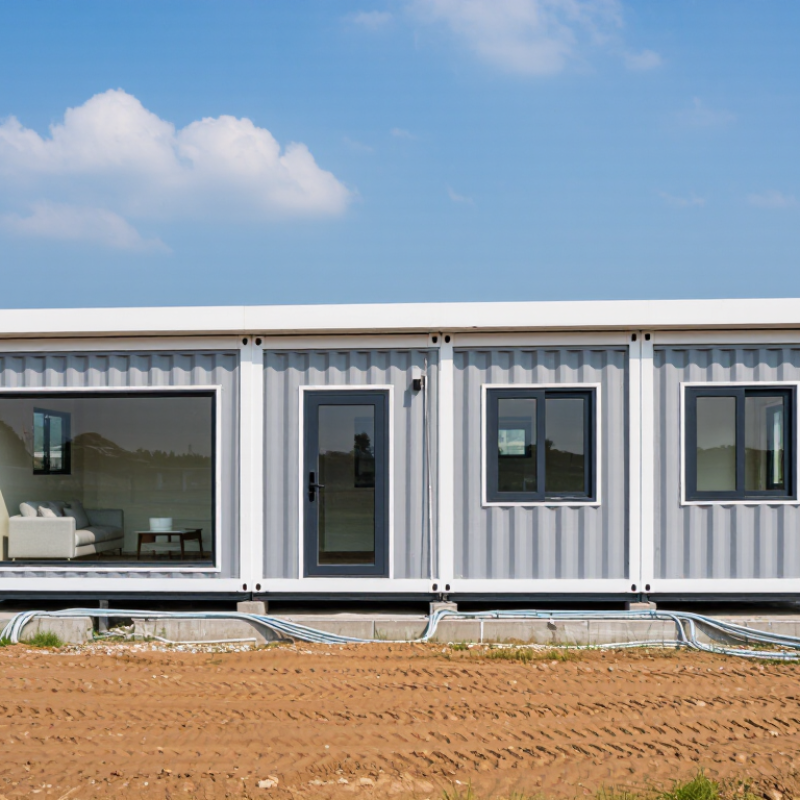
A two-bedroom container house in China is a compact modular home designed with two separate sleeping rooms. These rooms usually share a living area, a kitchen, and a bathroom. Many homes use factory-built steel modules assembled on a prepared site. Not every unit is a reused shipping container. Some are purpose-built modules with insulation, windows, wiring, and plumbing installed before delivery. That distinction matters.
The layout and finish can vary widely. In a narrow plan, bedrooms may feel tight once beds and wardrobes are in place. China’s climate also matters: insulation, ventilation, and roof details should suit the local region. A home planned for a mild inland area may need different specifications near a humid coast. “Two-bedroom” describes the room count, not the comfort level or included equipment.
Tips: Ask for a floor plan with room measurements, then check where beds, doors, and storage fit. Confirm whether the quoted price includes transport, site preparation, and utility connections. Small omissions can change the total cost. Inspect material and insulation specifications, too; a polished exterior does not tell the whole story.
A two-bedroom container home built in China may cost roughly US$12,000–$20,000 for a basic factory-made unit. This often covers the structure, partitions, standard doors, windows, and simple interior finishes. A more complete model with better insulation, fitted bathrooms, kitchen cabinets, and upgraded flooring may fall around US$20,000–$35,000. Custom layouts or higher-grade finishes can push the price above US$35,000. These are planning estimates, not guaranteed quotations.
Check what each quote includes. A 40–60-square-meter home might have two compact bedrooms, a narrow hallway, and a combined living and kitchen area. The price can change with steel specifications, insulation thickness, window sizes, and bathroom fittings. Freight, site preparation, crane lifting, local utility connections, and installation are often separate costs. Ask for a written breakdown, including packaging and delivery terms.
Small details matter. Thin insulation may save money upfront but feel uncomfortable during hot summers or cold nights. I would compare the wall and roof build-up, not just the floor plan. Currency changes and project location also affect the final budget. Get current quotes and confirm the included specifications before making a cost comparison.
A two-bedroom container house in China is not priced by bedroom count alone. The layout, insulation, windows, and level of interior finishing can change the quote substantially. A simple plan with one shared bathroom usually needs fewer partitions and plumbing points than a design with an ensuite. That can reduce material use, though it may not suit every family.
Design details add up. Large sliding doors bring in daylight, but require stronger framing and careful sealing. Extra cabinets, tiled wet areas, and built-in storage also raise the purchase price. For materials, compare steel frame specifications and wall-panel thickness, not just the exterior finish. Insulation quality matters in both hot summers and cold winters. Ask for documented material details; a polished surface alone tells little. Small details matter.
Request an itemized quote. It should distinguish the house itself from transport, lifting, foundation work, and utility connections. These costs depend on the site and delivery distance, so a low factory price may not reflect the final spend. I would also check what the quote excludes. Buyers sometimes overlook this, and I would not assume two similar-looking plans include the same materials.
Indicative purchase-price scenarios by design and material specification
These illustrative planning estimates assume a 40–50 m² two-bedroom home. Higher-spec insulation, windows, interior finishes, and fittings can raise the purchase price. Land, site preparation, utility connections, and location-specific transport may add costs; request a local quotation for an accurate budget.
For a two-bedroom container house in China, a quoted price often covers the factory-built modules and their standard interior finish. That may include the steel frame, insulated wall and roof panels, doors, windows, basic flooring, and a stated electrical or plumbing package. Some suppliers include a kitchen cabinet or bathroom fixtures; others list them as upgrades. Ask for a room-by-room specification, not just a total price. “Finished” can mean different things.
Check what happens after production. The quote may include design drawings, factory assembly, and protective packing, but exclude inland delivery, sea freight, unloading, foundations, and installation at your site. Taxes and local utility connections may also be separate. Request the module dimensions, packing list, and written exclusions. A neat price sheet is helpful, but it can still leave gaps.
Tips: Compare the same layout and finish level. Ask whether wiring, sockets, taps, and bathroom fittings are included. Get delivery terms in writing. A low quote can be a useful starting point, not the final budget. I would leave room for site costs; these are easy to underestimate.
| Cost Item | Indicative Price Range (USD) | Usually Included in the Quote | Common Clarifications |
|---|---|---|---|
| Steel frame, floor, and roof structure | $4,000–$8,000 | Main structural frame, floor base, roof structure, and standard corrosion-protection finish. | Confirm the quoted dimensions, steel specifications, floor loading, and whether the unit is supplied as one module or several modules. |
| Exterior walls, cladding, and insulation | $1,500–$4,000 | Wall and roof panels with standard insulation and exterior cladding. | Panel thickness, insulation material, fire rating, and performance specifications can change the price. |
| Windows and exterior doors | $800–$2,000 | Standard windows and entrance doors in the agreed layout. | Custom sizes, upgraded glazing, security features, and additional openings may cost extra. |
| Interior partitions and finishes | $1,000–$3,000 | Partitions for two bedrooms and shared living areas, with standard interior wall finishes. | Room layout and finish level should be confirmed on the approved drawings. |
| Electrical installation | $700–$1,800 | Basic internal wiring, switches, sockets, and standard lighting points. | Appliances, local electrical-code upgrades, and site connection are not automatically included. |
| Plumbing and bathroom fit-out | $1,000–$3,000 | Standard bathroom fixtures and internal plumbing connections; kitchen plumbing may be included if specified. | Water heaters, premium fixtures, external pipework, and connection to site utilities may be extra. |
| Kitchen and flooring finishes | $1,000–$3,000 | Basic kitchen cabinets or fittings and standard floor finishes, depending on the package. | Countertops, appliances, upgraded flooring, and custom cabinetry should be itemized separately. |
| Packaging and export preparation | $300–$1,000 | Basic packing or preparation for transport when stated in the quotation. | Packaging requirements depend on the shipping method and destination. |
| Illustrative factory-price total | $11,000–$27,000 | Typical planning range for a standard-finish, two-bedroom unit of approximately 36–50 m². | Indicative only. Actual supplier quotations depend on design, specifications, order quantity, and contract terms. |
| Often quoted separately | Not included in the total above | International freight, insurance, import duties, customs charges, inland delivery, foundation, site preparation, installation, and utility connections. | Ask for a written, itemized quotation that states the delivery term and precisely identifies what is included. |
| For comparison only: the USD-to-CNY equivalent depends on the exchange rate at the time of payment. The price range is an illustrative estimate, not a guaranteed market price or a supplier quote. | |||
For a two-bedroom container house shipped from China, the sea-freight quote is only one part of the delivered cost. UNCTAD’s Review of Maritime Transport 2024 reported that Shanghai-to-Europe spot freight rates rose 256% between early December 2023 and June 2024. Rates change with route, season, cargo dimensions, and whether the house ships flat-packed or assembled. Budget separately for export handling, port charges, customs clearance, and inland trucking. A container that cannot fit a standard truck may need special transport.
Installation adds costs that are easy to miss. The site may need a level foundation, drainage, utility connections, and crane access. A narrow driveway or soft ground can mean extra equipment and labor. Ask suppliers and local contractors to itemize unloading, assembly, sealing, electrical work, and plumbing. These prices depend heavily on the destination and site conditions, so one online estimate rarely fits every project. Measure the access road before arranging delivery.
Tips: Request a door-to-door quotation with exclusions listed in writing. Confirm who pays destination port fees, storage, and crane hire. Keep a contingency for delays; even a small missed detail can leave a house waiting at the port.
A basic factory-made unit may cost about US$12,000–$20,000. These are planning estimates, not guaranteed quotes.
A more complete model may cost around US$20,000–$35,000. Better insulation, fitted bathrooms, kitchen cabinets, and upgraded flooring can raise the price.
Freight, site preparation, crane lifting, foundations, installation, and utility connections may cost extra. Leave room for these.
Ask for an itemized breakdown, room-by-room specifications, packing details, and written delivery terms. Check whether wiring, sockets, taps, and bathroom fittings are included.
A shared bathroom may need fewer partitions and plumbing points than an ensuite. Large sliding doors and built-in storage can also raise the price.
Compare steel frame specifications, wall and roof panel thickness, and insulation quality. A polished exterior tells you little.
A 40–60-square-meter home might have two compact bedrooms, a narrow hallway, and a combined living and kitchen area. Space can feel tight.
Thin insulation may lower the initial price but feel uncomfortable during hot summers or cold nights. I might focus too much on the floor plan; the wall and roof build-up matter too.
A 2 Bedrooms Container House in China is a prefabricated home made from converted or purpose-built shipping-container modules, with its final cost depending on floor area, layout, structural specifications, and level of finish. Basic models are generally more affordable, while larger homes with customized designs, upgraded insulation, better windows, and fully equipped kitchens or bathrooms cost more. Comparing quotes is most useful when each option has similar dimensions and specifications.
A quoted price may cover the container structure, standard interior finishes, and selected fittings, but buyers should confirm exactly what is included. Transport, unloading, foundations, utility connections, permits, and on-site installation may be charged separately and can significantly increase the total budget. Distance from the factory, site access, and local installation requirements also affect costs. Before purchasing, request an itemized quotation and clarify materials, delivery arrangements, installation scope, and any optional upgrades.